









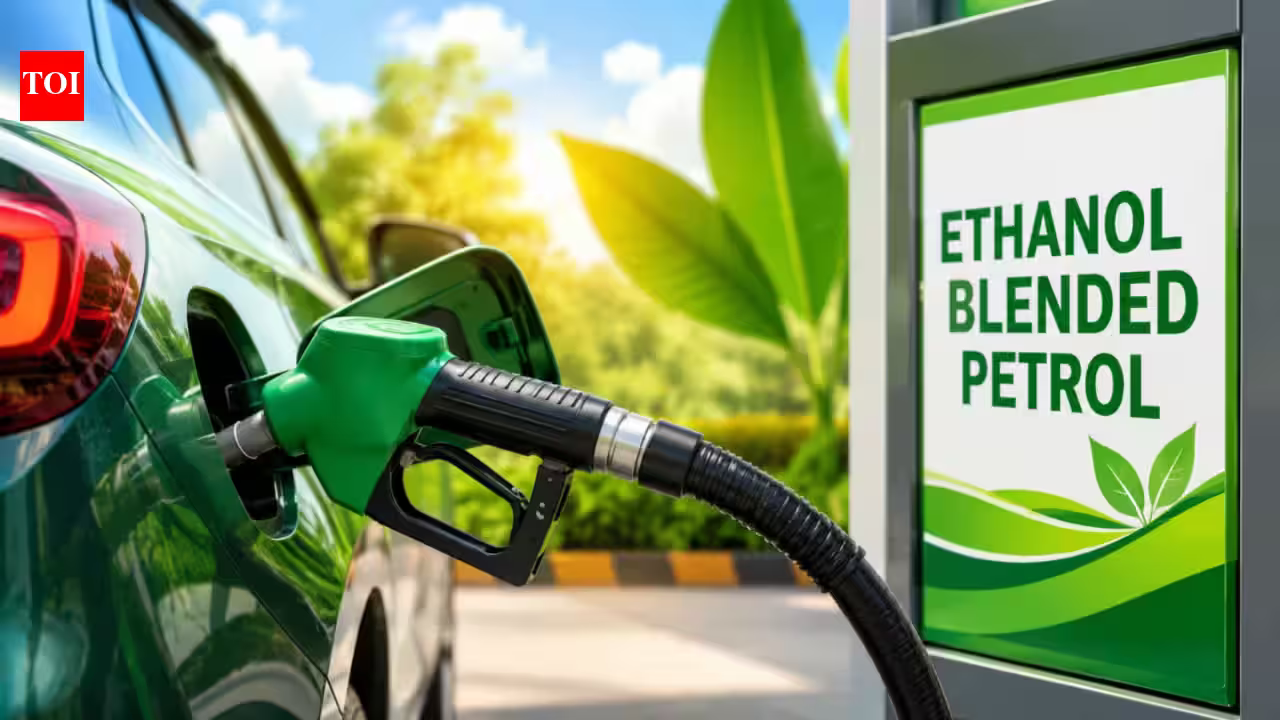
India Paves Way for E100 Flex-Fuel Vehicles with Regulatory Update
NEW DELHI: In a significant move toward decarbonizing India’s automotive sector, the Ministry of Road Transport and Highways has officially amended the Central Motor Vehicles Rules to permit the registration of flex-fuel vehicles (FFVs) capable of operating on high-blend ethanol fuel, specifically E85 (85% ethanol) and E100 (near 100% ethanol). This regulatory push arrives just in time for the anticipated market launch of E100-compatible models by several leading car manufacturers.
Understanding Flex-Fuel Technology
Flex-fuel vehicles are engineered with specialized internal combustion engines designed to run on petrol, biofuels like ethanol or methanol, or a flexible mixture of these fuels stored within a single tank. The ministry has clarified that these high-ethanol configurations are purpose-built for specific vehicles.
“Vehicles currently designed for E20 or standard petrol cannot utilize E85 or E100 fuels,” a transport ministry official explained. “This notification does not necessitate any changes for existing vehicle owners; there is no requirement to modify current cars or switch fuel categories.”
The shift toward higher ethanol blending is part of a broader government strategy to utilize the technology already successfully deployed in countries like Brazil and the United States. By moving toward E100, India aims to lower its fossil carbon footprint and significantly reduce tailpipe emissions, particularly carbon monoxide and harmful hydrocarbons. Furthermore, the transition is expected to lessen the nation’s heavy reliance on imported crude oil, potentially strengthening energy security.
Challenges to Widespread Adoption
While the regulatory framework is now in place for original equipment manufacturers (OEMs) to roll out these vehicles, industry analysts warn that hurdles remain. Despite the government’s efforts to promote cleaner fuels, the adoption rate has been sluggish. For instance, data indicates that only 17 vehicles have been registered in the seven months following the introduction of E85-capable cars.
Experts point to several barriers hindering consumer interest. One primary concern is the significant drop in fuel efficiency; internal testing suggests that using E100 fuel can result in a mileage loss of approximately 27% compared to conventional petrol. To offset this, the automobile industry has been advocating for substantial fiscal incentives. Specifically, manufacturers have requested a reduction in the Goods and Services Tax (GST) on FFVs—dropping it from the current 28% to 5%, matching the incentives provided to electric vehicles.
Furthermore, affordability remains a concern for the average buyer. Industry players have urged the government to rationalize fuel costs, suggesting an target price of approximately Rs 75 per liter for E100 to make it a commercially viable alternative to petrol.
The Infrastructure Gap
Beyond vehicle pricing, the most pressing bottleneck is the lack of nationwide infrastructure. Currently, there are only a handful of fuel stations capable of dispensing E100. Although FFVs are designed to be versatile—meaning they can run on various grades of ethanol-blended petrol—the lack of dedicated pumps for E100 limits the practical utility of these vehicles for long-distance travel.
As India moves closer to its goal of reducing oil imports and meeting climate commitments, the success of the E100 initiative will likely depend on a synchronized effort between the government and oil marketing companies to ensure that both the vehicle technology and the supporting fuel supply chain are accessible to the public.
Disclaimer: This content is auto-generated for informational purposes only.
Source: Read Original News