







Shadow Over Juhu: The Legal Battle Intensifies in the Tiger Shroff Firing Case
The high-stakes drama surrounding the October 18 shooting incident involving Bollywood star Tiger Shroff has shifted from the streets of Juhu to the sterile, tense environment of the Mumbai Killa Court. As investigations into the terrifying ordeal deepen, the legal battle between the prosecution and the defence has reached a boiling point, with the judiciary now acting as the final arbiter in a complex web of conspiracy allegations.
On Monday, the Esplanade Court delivered a significant, if tempered, ruling: four of the accused—Kunal, Sumit, Radha, and Babita—were remanded into police custody, but only until October 28. This decision stands as a pointed compromise, as law enforcement had pushed for an extension until October 31, citing the critical nature of the ongoing investigation.
The Courtroom Clash: A Tug-of-War Over Time
The courtroom proceedings on Monday were marked by sharp exchanges. For the accused, the primary point of contention was the necessity of further custodial interrogation. Defence lawyer Ajinkya Mirgal Madhukar put forward a compelling argument regarding the redundancy of the police’s request.
“The four accused were produced in court today; this was their second appearance,” Mirgal stated, emphasizing that his clients had already endured three days of transit remand and rigorous questioning. “All relevant items, including their mobile phones, SIM cards, and bank debit cards, have already been recovered. So, the question arises: why would the police require further custody?”
The court, while denying the full four-day extension sought by the prosecution, granted two days specifically for a narrow purpose: the collection of voice samples. This decision effectively keeps the accused under the watchful eye of the investigators, but it also signals that the court is closely monitoring the necessity of these detentions.
The Prosecution’s Stance: A Conspiracy in the Shadows
Public Prosecutor Kranti Kumbhar remains resolute in his stance that this case is far from a simple act of violence. The prosecution has painted a picture of a wide-reaching conspiracy that extends well beyond the borders of Maharashtra.
“Most of the wanted accused connected to the present accused are out of state, and this needs a thorough investigation,” Kumbhar argued. He emphasized that the clandestine nature of the plot—hatched, as he described, “in secrecy”—demands a more thorough approach than standard police procedures.
Beyond the conspiracy theory, the prosecution claims to have substantial digital evidence in their arsenal. They have reportedly seized CCTV footage from both the site of the incident and the hotel where the accused allegedly held a “practice firing” session. They also hold the hotel registers, which they believe will link the individuals to the crime. For the police, this is not just about a single shooting; it is about dismantling an organized effort to terrorize a high-profile figure.
Defence Challenges the Narrative
Perhaps the most intriguing development in this case is the aggressive pushback from the defence, who are now questioning the very foundation of the state’s case. Advocate Vikesh Mehra, representing the accused Sumit, pointed out a massive gap in the narrative: the missing weapon.
“Despite making around ten arrests, if they are still unable to recover the weapon, it raises serious doubts about whether such a weapon actually exists,” Mirgal noted. The defence team has also challenged the prosecution’s reliance on hotel CCTV, claiming that the footage actually shows their clients were not present at the scene during the incident.
Regarding the alleged links to external figures like Anil Pandit, the defence maintains that forensic technology has already made physical custody obsolete. By seizing the suspects’ phones, the police have already obtained the call detail records; therefore, the defence argues, further interrogation is nothing more than an unnecessary encroachment on the rights of the accused.
The Growing Web of Accusations
The four suspects currently in custody are just one part of a larger operation that police are frantically trying to map. Earlier, on October 23, the same Killa Court sent three other individuals—Ankit Khattar, Samir Khatri, and Jatin Panchal—to custody until October 28. These individuals were apprehended in Sonipat, Haryana, signaling that the investigation is a cross-state pursuit.
The investigative officer has laid out a specific hierarchy of roles for those already in custody: Ankit allegedly conducted the recce of the Juhu area, Samir served as the bridge to external conspirators, and Jatin reportedly secured the firearms. With every court appearance, the number of individuals involved in the logistical support of this attack seems to grow, keeping the Mumbai Police under immense pressure to connect the dots before these deadlines expire.
Unresolved Tensions in Juhu
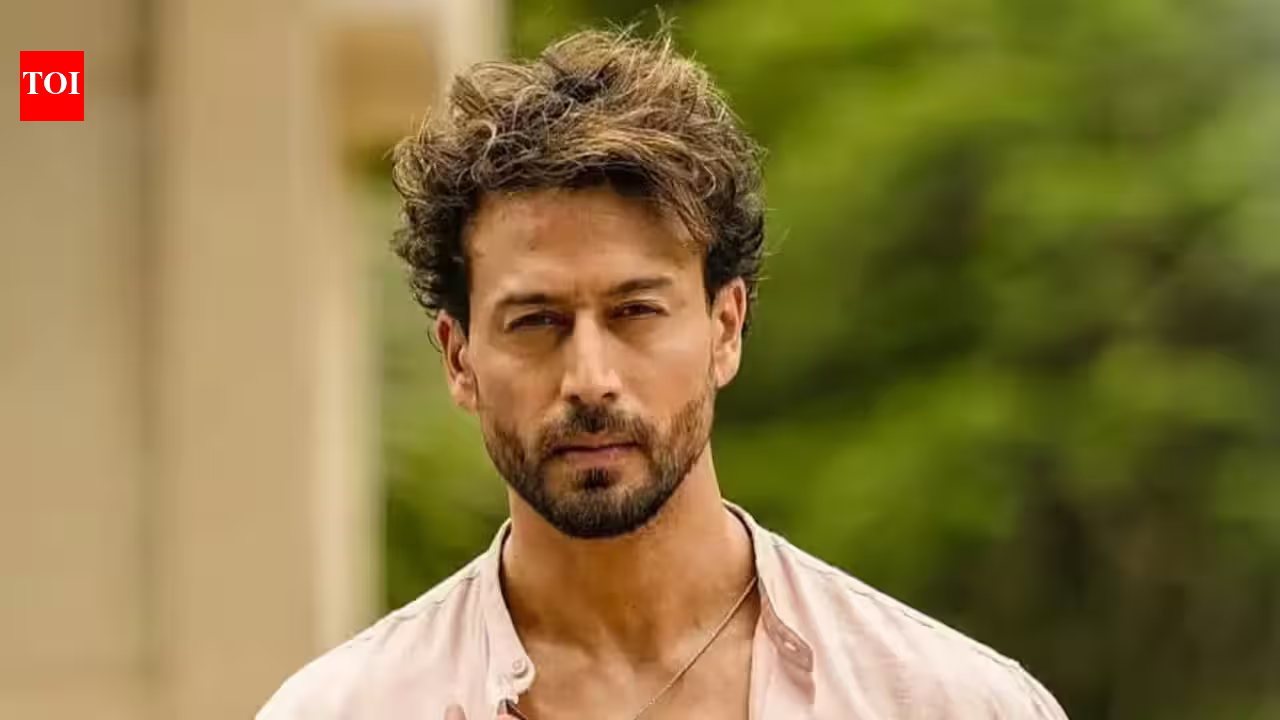
The incident, which occurred around 7 pm on October 18, left the city in shock. While Tiger Shroff escaped physical harm, his driver sustained injuries during the firing as the actor was exiting a local football club. The incident served as a stark reminder of the security risks faced by public figures in the city.
As October 28 approaches, the eyes of the public and the media remain fixed on the proceedings. Will the police manage to recover the elusive weapon, or will the defence’s skepticism about the existence of the firearm gain more ground? For now, the four accused will spend their final days of custody undergoing the court-mandated voice sample collection, while the legal teams prepare for what promises to be a grueling continuation of this high-profile investigation.
The court has taken the rare step of ensuring basic rights for the detainees, allowing them a five-minute consultation with their counsel and directing police to facilitate family contact—a small nod to the gravity of the accusations and the intensity of the struggle unfolding in the halls of justice.
Disclaimer: This content is auto-generated for informational purposes only.
Source: Read Original News