







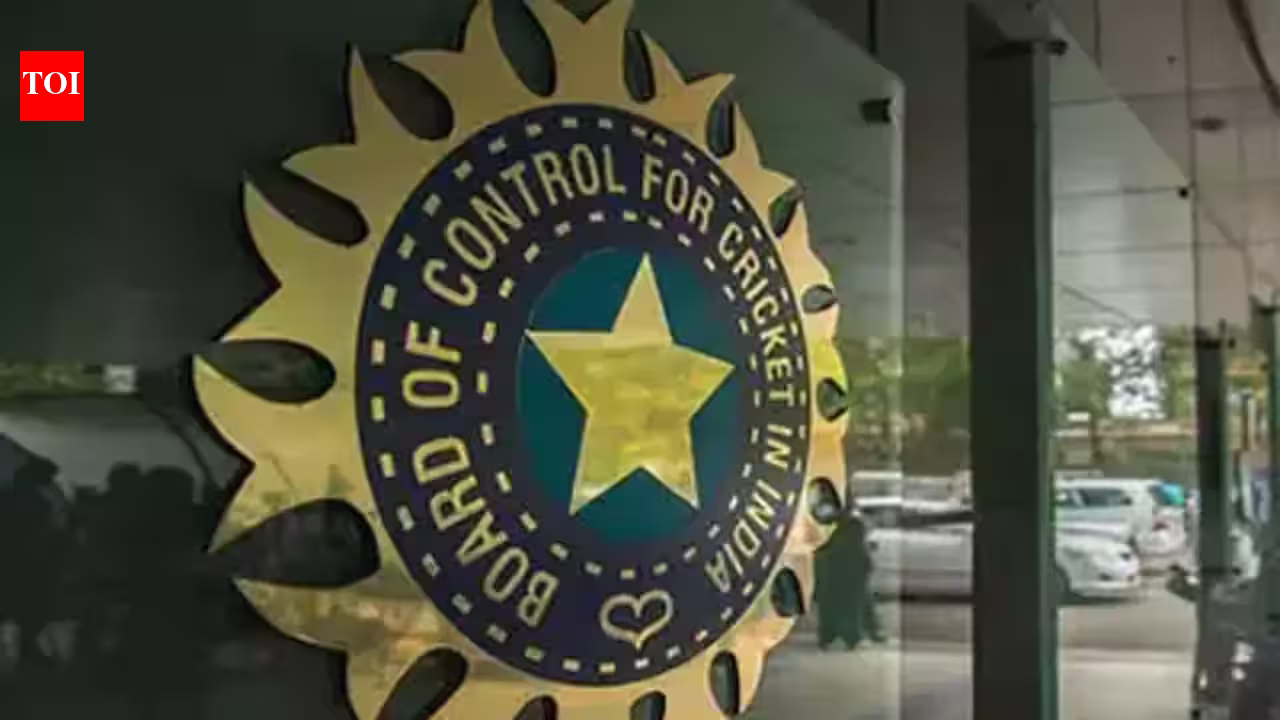
MUMBAI — In a watershed moment for the landscape of Indian sports, the Board of Control for Cricket in India (BCCI) has officially signaled a new era of inclusivity. Secretary Devajit Saikia has issued a formal directive to all 38 state cricket associations, mandating a proactive approach toward the welfare, development, and integration of differently-abled cricketers into the heart of the domestic game.
This directive, dispatched on Monday, follows a pivotal resolution passed during the BCCI’s 95th Annual General Meeting (AGM) held in Mumbai on September 18, 2026. The move marks a definitive shift in policy, transforming what was once fragmented, grassroots-level advocacy into a structured, nationwide commitment backed by the full weight of the country’s cricket governing body.
## A Mandate for Inclusivity
The core of Saikia’s communication to the state units is clear: the onus is now on local associations to dismantle barriers. The directive explicitly requests that state bodies create meaningful opportunities for differently-abled athletes to compete, train, and hone their skills within their respective jurisdictions.
“As deliberated and agreed during the 95th Annual General Meeting of the BCCI, all the member associations are requested to take appropriate measures towards the welfare, development, and the betterment of differently-abled cricketers,” Saikia stated in his letter.
The BCCI’s goal is to ensure that talent—regardless of physical ability—is nurtured within the professional ecosystem. By asking state units to provide the necessary resources, coaching, and infrastructure, the Board aims to institutionalize differently-abled cricket, ensuring it is no longer relegated to the periphery of the sport.
## A Milestone for the DCCI
For the Differently Abled Cricket Council of India (DCCI), the BCCI’s formal backing is the culmination of decades of perseverance. Ravi Chauhan, General Secretary of the DCCI, did not mince words when describing the gravity of the announcement.
“Differently-abled cricket has been played in India for over 40 years, often through sheer passion and individual grit,” Chauhan noted. “The BCCI’s move in the 95th AGM is a milestone decision. For the last five years, we have seen consistent support from the board, particularly under the guidance of former secretary and current ICC Chairman Jay Shah. This latest directive from the BCCI secretary to all state associations effectively cements our place in the mainstream.”
Chauhan remains optimistic that this mandate will trigger a ripple effect similar to the exponential growth seen in women’s cricket. “I hope that one day, differently-abled cricketers will have a league of their own and receive the same level of official recognition and professional status that women’s cricket has achieved. If the state associations begin working on the ground level, it will revolutionize the talent pool across India.”
## Building the Path to Mainstream Recognition
The sentiment of optimism is shared across the community. Abhay Pratap Singh, a vocal proponent of inclusive cricket, emphasized that this move is about more than just resources—it is about dignity and equal opportunity.
“This is a significant step toward making cricket truly inclusive,” Singh remarked. “The BCCI’s communication to its member associations reflects a genuine, positive commitment to strengthening the foundation of our sport. By encouraging associations to take concrete measures, the Board is helping ensure that these players have a legitimate pathway to reach their full potential.”
The directive essentially challenges the state units to move beyond rhetoric. By standardizing the support for differently-abled athletes, the BCCI is setting a precedent that cricket in India is not merely about the traditional framework, but about the ability to adapt and serve every citizen who wishes to play the game at a high level.
## The Future Landscape
The road ahead requires coordination. The challenge for the 38 state associations will be to integrate these athletes into existing facilities, provide specialized coaching, and organize structured tournaments that align with the national agenda.
As the BCCI pushes for greater cooperation, the sporting community is watching closely. If the state units respond with the enthusiasm expected by the Board’s leadership, it could pave the way for a more robust, professional, and diverse cricket calendar.
For the thousands of differently-abled cricketers across India, the message from the BCCI is clear: the gates have been opened, and the board expects its member associations to provide the keys. As the country moves toward a more inclusive future, the 95th AGM of 2026 may well be remembered as the moment when Indian cricket finally became a game for everyone.
Disclaimer: This content is auto-generated for informational purposes only.
Source: Read Original News