







Cyclone Arnab Targets Eastern India: 12 Million Residents in Path of ‘Very Severe’ Storm
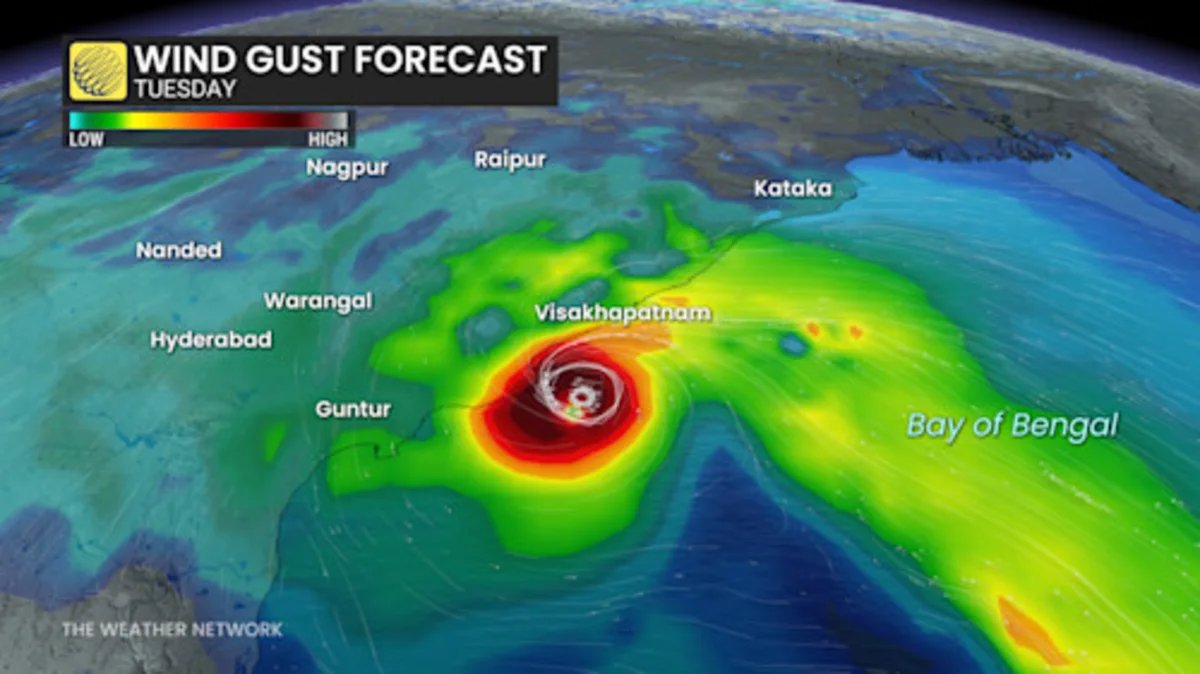
Eastern India is bracing for a catastrophic weather event as Tropical Cyclone Arnab, the first named storm of the 2026 season in the Bay of Bengal, barrels toward the coastline. Authorities have sounded the alarm as the “very severe” cyclonic storm prepares to make landfall early Wednesday morning, threatening the safety and livelihoods of more than 12 million people.
Meteorologists classify Arnab as a high-intensity system, with projections indicating it will peak at wind speeds of approximately 222 km/h. This velocity places the storm in a category equivalent to a Category 4 hurricane. The anticipated point of impact is the densely populated city of Visakhapatnam in Andhra Pradesh. With a population exceeding two million, the city faces a severe test of its infrastructure and emergency response capabilities.
High-Alert Conditions Across the Region
The threat posed by Arnab extends far beyond high-velocity winds. The storm is expected to trigger widespread environmental hazards, including severe flooding, massive storm surges, and dangerous landslides. Infrastructure officials are particularly concerned about the potential for widespread power grid failures and the destruction of coastal homes.
To the north, the city of Srikakulam has been flagged for extreme precipitation. Forecasters estimate that the region could receive upwards of 250 mm of rain, effectively dumping a full month’s worth of precipitation within a single event. Such extreme rainfall levels significantly increase the risk of flash flooding and mudslides in low-lying and hilly areas.
In response to these dire forecasts, government agencies have launched a massive mobilization effort. Tens of thousands of residents from the most vulnerable coastal settlements have already been evacuated to state-run shelters. Disaster response teams remain on high alert, working to ensure that evacuation efforts are completed before the onset of the storm’s outer bands. Beyond the immediate coastal impact, the storm’s reach is expected to be felt well inland, with authorities in Nepal advising citizens to remain vigilant for secondary impacts across the Himalayas.
Global Weather Patterns: A Season of Extremes
While India prepares for the onslaught of Arnab, global weather monitoring systems are keeping a close watch on the Pacific Ocean. The 2026 tropical season has proven exceptionally volatile, with another major system, Super Typhoon In-Fa, gathering significant strength north of Guam.
In-Fa represents the eleventh “exceptionally strong” typhoon to form in the Western Pacific this season, underscoring an ongoing period of increased storm activity. As the region grapples with the intensity of these weather systems, meteorologists emphasize that the combination of Arnab’s landfall and the ongoing Pacific activity serves as a stark reminder of the escalating risks posed by severe seasonal weather events.
For the millions of residents in the path of Cyclone Arnab, the next 48 hours are critical. Disaster management teams continue to urge the public to follow official evacuation orders and maintain access to emergency communication channels as the storm nears the coast.
Disclaimer: This content is auto-generated for informational purposes only.
Source: Read Original News