








Vitax Boosts UK Manufacturing Power with Major Automation Overhaul
Coalville-based garden care specialist Vitax has signaled a significant shift in its long-term strategy, announcing a major investment in automation and high-tech production infrastructure at its Skelmersdale facility. This move, designed to bolster the company’s manufacturing agility, arrives as the British gardening market continues to show resilience, with UK consumers spending over £9 billion on horticultural products in 2025 alone.
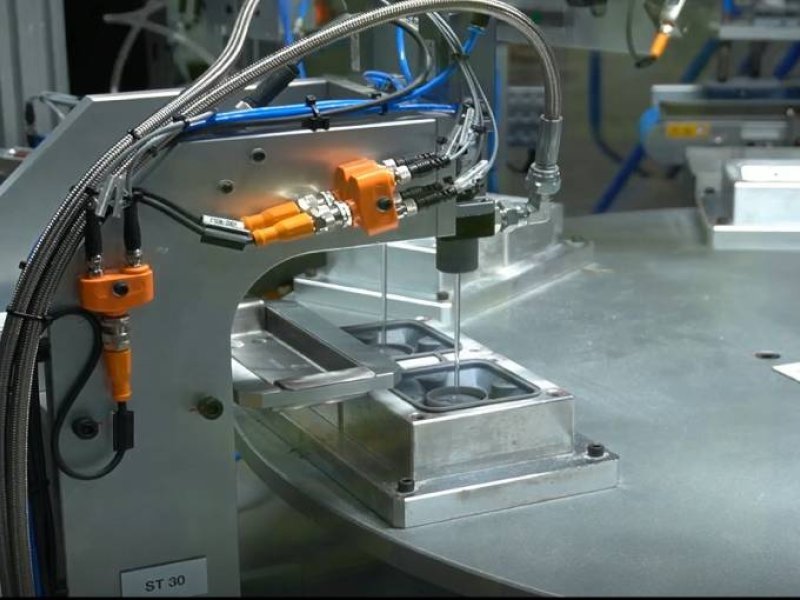
The investment centers on a massive upgrade to the company’s factory floor. By integrating advanced automation, filling, packing, and wrapping technologies, Vitax has achieved exponential efficiency gains. In specific production segments, line capacity has surged by over 700%, with the firm noting marked improvements in operational accuracy and system reliability.
Leveraging Collaborative Tech and Smart Supply Chains
The transformation of the Skelmersdale site was not a solitary endeavor but the result of a strategic partnership with the Manufacturing Technology Centre (MTC). By participating in the MTC’s “Reach” program—a government-backed initiative aimed at de-risking the adoption of new technology—Vitax was able to trial a bespoke automated system before a full-scale rollout.
This project highlights a growing trend in the manufacturing sector: utilizing specialized consultancy to bridge the gap between legacy operations and Industry 4.0 standards. The MTC provided the technical roadmap, which included connecting Vitax with a specialized supplier in Coventry. This regional collaboration underscores the power of local supply chain networks in driving national industrial growth.
Mike Wilson, Chief Automation Officer at the MTC, emphasized that the primary hurdle for many manufacturers is the fear of technological disruption. By providing a structured framework to “de-risk” the process, the MTC enabled Vitax to scale its production capacity while maintaining stability in a competitive market.
Future-Proofing Through Sustainability and Innovation
Beyond pure output, Vitax’s capital expenditure has been steered by a dual focus on sustainability and workforce development. The company has integrated renewable energy solutions, including the installation of onsite solar panels, and transitioned to more energy-efficient machinery. These updates are complemented by sustainable packaging initiatives, reflecting a wider industry shift toward environmental compliance and corporate responsibility.
The company is also investing heavily in its human capital. New roles and training programs have been introduced across production, maintenance, project management, and sustainability departments, ensuring the workforce is equipped to manage the newly digitized environment.
Anja Gooding, CEO of Vitax, noted that as a family-run business, the decision-making process is anchored in the long term. “We’re upgrading our operations, improving our environmental performance, and creating more capacity to support our growth,” Gooding said. “Going into 2027, we have many more plans for the business.”
Data-Driven Growth and Product Expansion
This technological leap coincides with the launch of “Vitax Water Less,” an innovative product that leverages soil science to minimize water waste. In a market where consumers are increasingly conscious of both rising costs and climate volatility, Vitax is betting that data-driven production and eco-conscious R&D will sustain its market share.
By automating its packing and filling, Vitax has successfully digitized a critical portion of its value chain. This transformation serves as a blueprint for mid-sized manufacturers looking to remain competitive: by adopting modular automation, optimizing energy consumption, and tapping into government-supported innovation hubs, companies can maintain the flexibility required to meet fluctuating consumer demands while reducing their environmental footprint. As the sector moves toward 2027, Vitax appears well-positioned to maintain its momentum, demonstrating that traditional industries are evolving rapidly through the adoption of smart, interconnected production technologies.
Disclaimer: This content is auto-generated for informational purposes only.
Source: Read Original News