








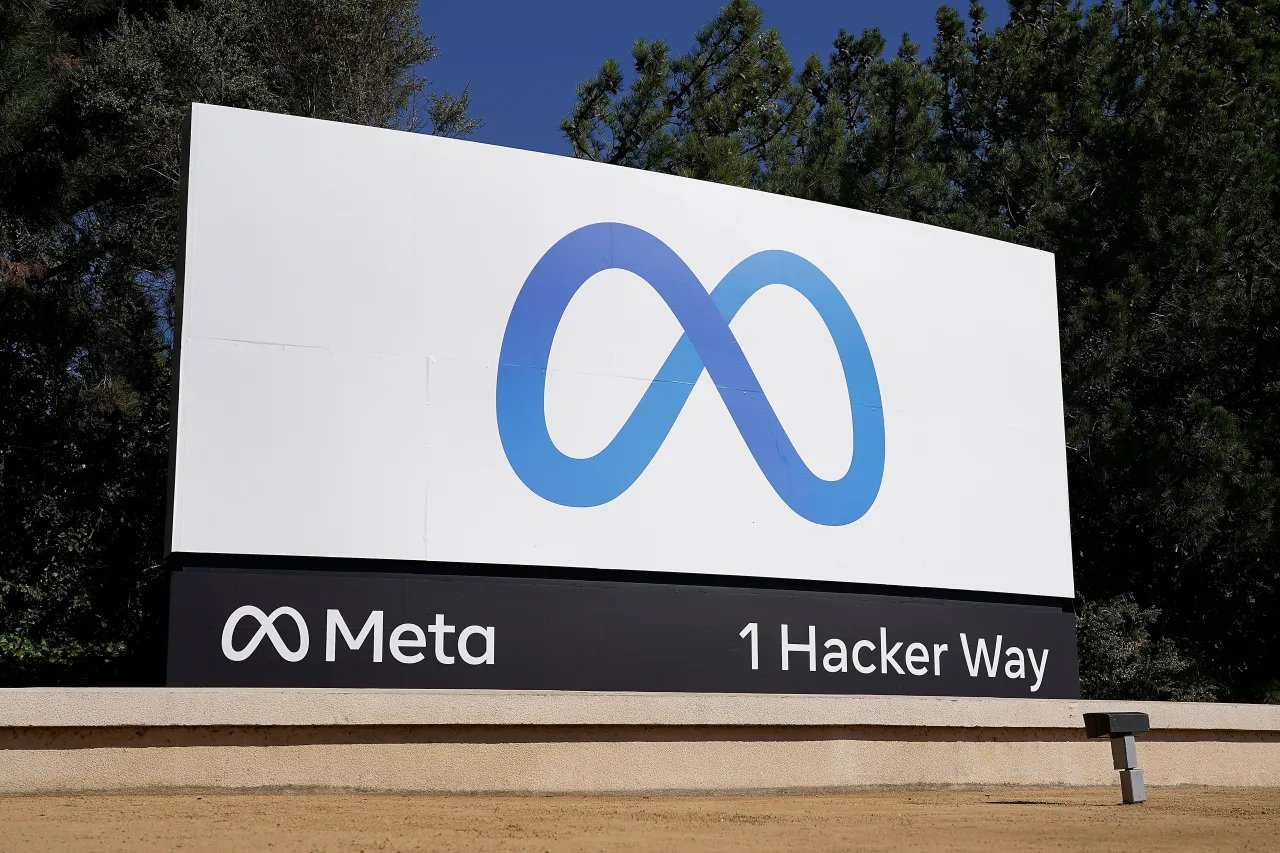
PROVIDENCE, R.I. — Rhode Island Attorney General Peter Neronha has officially filed a lawsuit against Meta Platforms, the parent company of Facebook and Instagram, alleging that the tech giant knowingly facilitates the spread of sophisticated scams across its platforms. The legal action marks a significant escalation in the ongoing battle between state regulators and Big Tech, accusing the company of prioritizing engagement over user safety while misleading the public about the efficacy of its fraud-detection mechanisms.
The Mechanics of Alleged Negligence
The complaint argues that Meta’s underlying business model—driven by complex algorithms designed to maximize user engagement—inadvertently creates a fertile environment for fraudulent actors. According to the state, Meta’s advertising and content-distribution systems are optimized in a way that allows malicious entities to target vulnerable populations with high precision.
Beyond the algorithmic influence, the lawsuit claims that Meta is essentially profiting from the ecosystem that allows these scams to thrive. By collecting advertising revenue from fraudulent schemes—often disguised as legitimate retail opportunities or investment advice—the company is accused of being complicit in the financial damage inflicted on Rhode Island residents. Prosecutors contend that Meta possesses the technical infrastructure to identify and neutralize these patterns, yet chooses to maintain a “laissez-faire” approach that keeps users scrolling and clicking, regardless of the content’s integrity.
AI, Automation, and the Failure of Moderation
A central theme of the litigation involves the company’s reliance on automated moderation tools. While Meta has long touted its investment in artificial intelligence to root out “inauthentic behavior,” the lawsuit alleges that these AI systems are fundamentally flawed and insufficient.
“Meta’s public messaging suggests a sophisticated, AI-driven fortress protecting its users,” a spokesperson for the Attorney General’s office stated. “In reality, that fortress has gaping holes that scammers are actively exploiting.”
The state alleges that Meta’s AI is prone to overlooking high-volume scams while simultaneously failing to provide adequate human oversight. Critics of the tech industry often point out that as companies shift toward automated content moderation to save costs, the nuance required to detect evolving social engineering tactics is lost. The Rhode Island lawsuit argues that by over-relying on automated systems that prioritize speed and scale, Meta has essentially outsourced its ethical responsibility to software that is easily manipulated by bad actors.
Industry-Wide Implications for Tech Regulation
This lawsuit arrives during a period of intense scrutiny for the broader technology sector. Silicon Valley is currently navigating a “new normal” where regulators are no longer satisfied with internal policy changes; they are seeking legal accountability for the systemic harms caused by digital platforms.
If the court sides with Rhode Island, the verdict could force a paradigm shift in how major platforms manage sponsored content. A ruling against Meta might necessitate a complete overhaul of its advertising verification processes, potentially requiring human-in-the-loop oversight for high-risk categories of ads.
Furthermore, this case adds momentum to the growing movement advocating for more robust federal oversight of social media companies. Industry analysts suggest that if individual states continue to successfully challenge Meta’s immunity, it could lead to a fragmented regulatory landscape, forcing the company to lobby harder for uniform national standards. For now, the tech industry is watching closely; the outcome of this case will likely influence how other states approach the intersection of AI, automated advertising, and consumer protection.
Meta has not yet provided a comprehensive response to the specifics of the Rhode Island complaint, though the company generally maintains that it invests billions of dollars annually in safety and security teams tasked with combating scams and improving platform integrity. As the case moves through the court system, the tension between platform autonomy and the duty of care in the age of AI will remain at the forefront of the national tech policy debate.
Disclaimer: This content is auto-generated for informational purposes only.
Source: Read Original News