






The Strategic Significance of the Iveco Acquisition
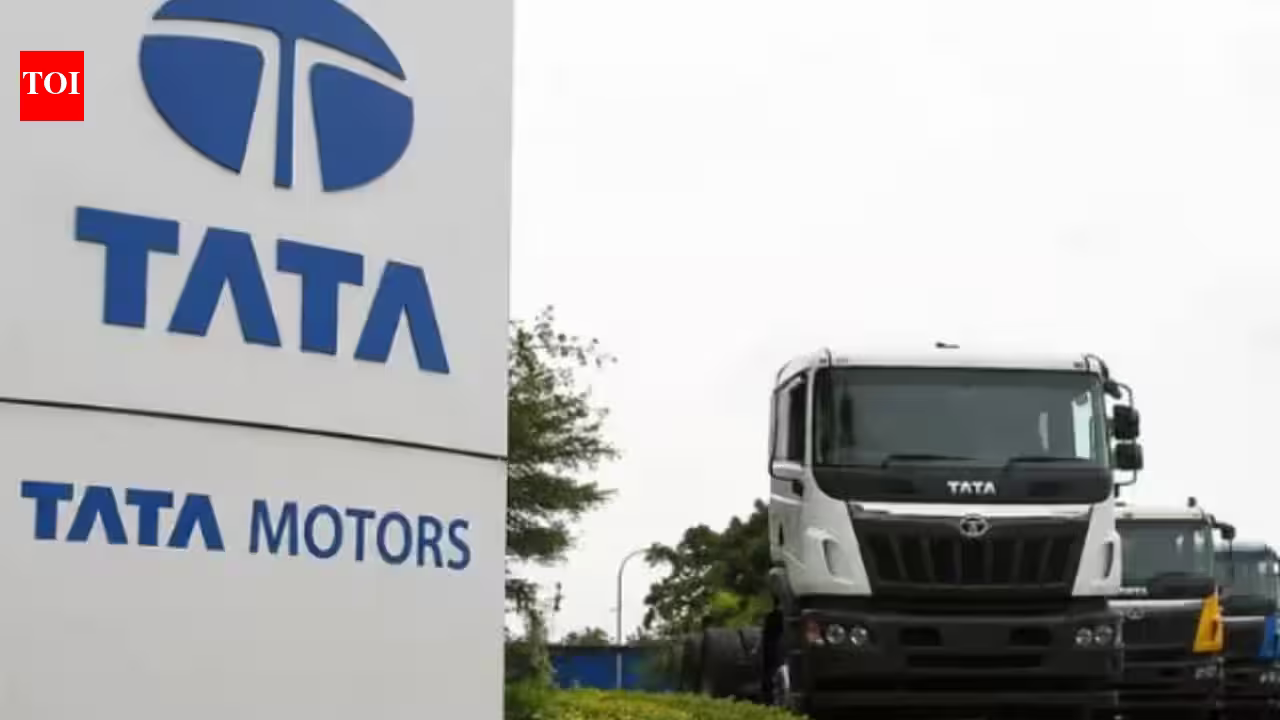
The acquisition of Italian commercial vehicle manufacturer Iveco by Tata Motors represents a monumental shift in the global automotive landscape. Valued at approximately €3.91 billion (Rs 42,561 crore), this deal stands as the most significant international investment undertaken during the tenure of Tata Group Chairman N. Chandrasekaran. By successfully clearing the 80% acceptance threshold, Tata Motors has secured a controlling interest that will fundamentally reshape its competitive standing in the global heavy vehicle market.
This acquisition is not merely a quantitative expansion of Tata Motors’ asset base; it is a qualitative leap into high-end engineering, European market integration, and advanced powertrain technology. For decades, Tata Motors has maintained a dominant position in the Indian commercial vehicle sector. However, the move to acquire a European legacy player like Iveco signals a shift toward a more aggressive global strategy. By moving to take Iveco private and delist it from Euronext Milan, Tata Motors intends to integrate the Italian firm’s operations deeply into its existing corporate structure, bypassing the constraints of public market volatility.
Navigating Regulatory Frameworks and Threshold Dynamics
The journey toward this successful acquisition was marked by complex regulatory navigation. Initially, the deal was structured with a 95% threshold requirement, which is the standard benchmark under Dutch law for a statutory squeeze-out of minority shareholders. Given the logistical difficulty of securing such high consensus in public tenders, the deal appeared precarious for a period, with acceptance levels trailing at 35% as of late October.
The strategic turning point occurred on October 16, when Iveco shareholders approved a back-end merger resolution. This tactical adjustment lowered the effective control requirement from 95% to 80%. By leveraging this mechanism, Tata Motors can effectively merge Iveco into its own acquisition vehicle or transfer assets, achieving the same result as a traditional squeeze-out. The fact that the offer was sweetened from an initial €14.10 per share to €14.40 per share proved instrumental in incentivizing institutional investors to tender their holdings. This outcome demonstrates the sophistication of Tata’s corporate development team in navigating European legal frameworks while maintaining fiscal discipline.
Synergy and Value Creation in the Global CV Market
From a business perspective, the integration of Iveco provides Tata Motors with substantial synergies. Iveco possesses a robust technological footprint, particularly in hydrogen-powered trucks and advanced diesel engine development—areas that are critical to the future of the commercial transport industry. As global logistics chains demand greater efficiency and lower carbon footprints, Iveco’s expertise complements Tata Motors’ existing commercial vehicle portfolio.
In the Indian market, this acquisition provides a gateway for advanced technology transfer. Tata Motors has long been a leader in the domestic Indian CV segment, but the integration of European standards for heavy-duty freight vehicles will likely elevate the quality benchmarks for Tata’s premium offerings. Furthermore, the global sales network of Iveco provides an immediate distribution channel for Tata’s products in European and South American markets, regions where the Indian manufacturer previously faced significant barriers to entry. This cross-pollination of market intelligence and engineering capability is poised to enhance operating margins and long-term shareholder value.
The Implications for Indian Industry and Global Footprint
For the Indian corporate sector, the Tata-Iveco deal is a symbol of the “outward-looking” transformation of Indian conglomerates. Historically, Indian companies focused on domestic growth or smaller, strategic regional acquisitions. The scale of this deal—nearly Rs 43,000 crore—places Tata Motors in an elite category of multinational automotive conglomerates. It suggests that Indian enterprises are no longer just participants in the global supply chain but are now lead architects of the global automotive manufacturing ecosystem.
The transition from a public entity to a private subsidiary will allow Iveco to undergo a potential restructuring phase without the short-term pressures of quarterly earnings reports. This is a critical advantage for the automotive industry, which requires long-term capital allocation for R&D, particularly in the transition toward electric and hydrogen fuel-cell heavy vehicles. With full ownership, Tata Motors can align Iveco’s research trajectory with its own, ensuring a unified approach to global zero-emission mandates.
Future Outlook: Post-Acquisition Integration
The next one to two months will be defined by the delisting process and the consolidation of assets. As minority shareholders who did not participate in the tender are compelled to accept the €14.40-per-share payout, the final remnants of Iveco’s public presence will vanish. The success of this acquisition will ultimately be measured by how seamlessly Tata Motors integrates Iveco’s diverse, international workforce and organizational culture.
Given Tata Group’s successful track record with previous international acquisitions, such as Jaguar Land Rover, there is a strong expectation that the company will adopt a collaborative management approach. By respecting Iveco’s regional expertise while introducing Tata’s cost-efficient manufacturing philosophy, the group aims to create a powerhouse capable of competing with the likes of Volvo, Daimler, and Traton. As the Indian automotive industry looks toward the next decade of decarbonization, the synergy between Tata’s market-leading position in Asia and Iveco’s advanced European engineering provides a foundation for sustained dominance. This deal is not just a milestone for Tata Motors; it serves as a definitive case study in how large-scale, cross-border corporate integration can be successfully executed through patient negotiation and adaptive regulatory planning.
Disclaimer: This content is auto-generated for informational purposes only.
Source: Read Original News