









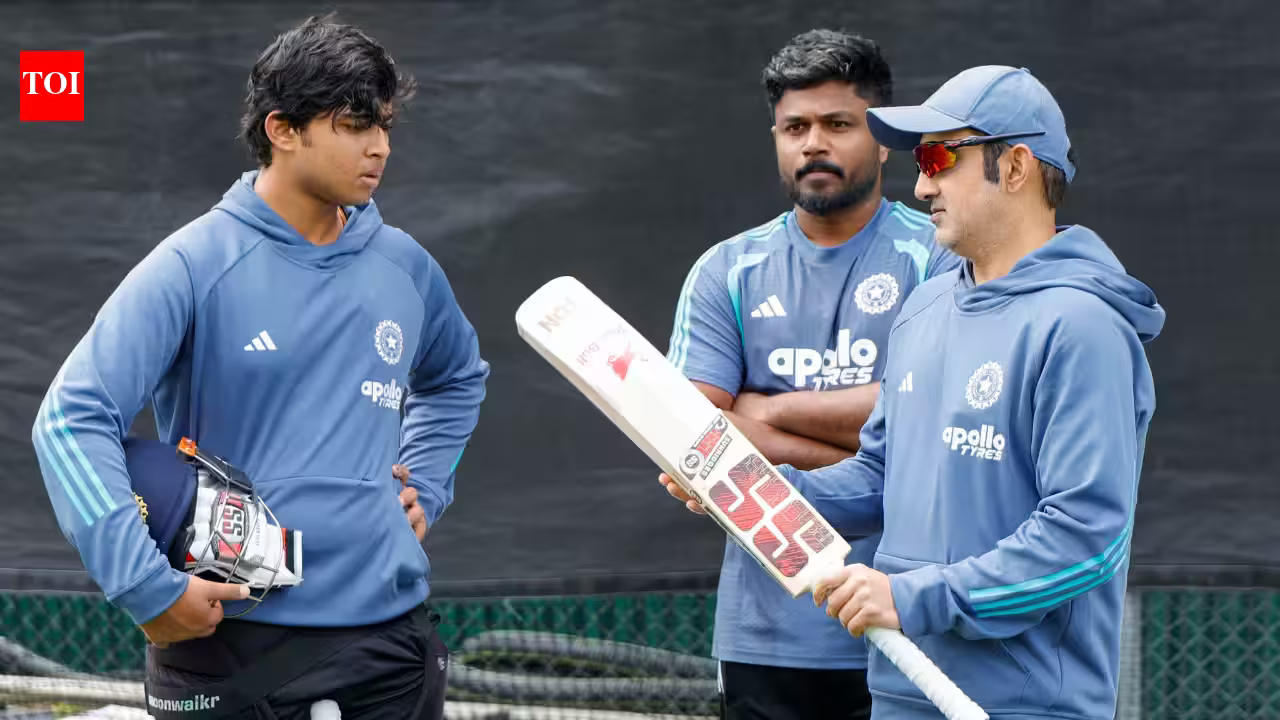
WELLINGTON — The winds of change are blowing through the Basin Reserve, and for the Indian cricket team, they carry the promise of a long-awaited statement series victory. As the squad descends upon the Hnry Stadium in Wellington for Tuesday’s third T20I, Shreyas Iyer’s side stands on the precipice of a defining achievement, looking to complete a clinical sweep of New Zealand and definitively put a turbulent season in the rearview mirror.
Following their euphoric T20 World Cup triumph earlier this year, India’s path had been anything but linear. The post-tournament hangover was palpable, manifesting in a dismal tour of Ireland where the team faltered twice while chasing, followed by a sobering 4-0 drubbing at the hands of England. The frustration deepened on home soil, where a toothless display allowed the West Indies to force a 2-2 series deadlock, leaving the management and fans alike questioning the team’s tactical depth and mental resilience.
However, the current trip to New Zealand has served as a crucible for this revamped lineup. By winning the opening two encounters, India has demonstrated the kind of steel that was conspicuously absent in recent months.
## A Resurgence Built on Grit
The opening fixture of this series served as a masterclass in aggressive intent, with India successfully chasing down a daunting 225-run target. It was a statement of intent, proving that the side could go blow-for-blow with some of the world’s most potent white-ball outfits.
Even more impressive, however, was the second T20I. With the top order crumbling and the scoreboard reading a precarious 70/5, the narrative seemed set for a New Zealand comeback. Instead, a masterclass in composure from Naman Dhir, Tilak Varma, and Nitish Kumar Reddy salvaged the ship, guiding India to a four-wicket victory. The bowling unit complemented this batting resilience, successfully restricting the Black Caps to a manageable 180, signaling a newfound maturity in how the team defends totals and closes out games.
## The Wellington Challenge: Weather and Personnel
As the action moves to the Hnry Stadium, the variable nature of Wellington’s climate promises to be an additional adversary. Known for its gusty conditions, the venue demands high levels of adaptability from both bowlers and batters. The atmospheric conditions, coupled with the ever-present threat of rain, mean that both captains will likely favor chasing, provided they can master the swirling winds that can turn a regulation catch into a nerve-wracking ordeal.
Personnel changes also loom large for the visitors. With wicketkeeper-batter Ishan Kishan ruled out for the third match, the spotlight turns to the prodigious teenager Vaibhav Sooryavanshi. Expected to slot in at the pivotal No. 3 position, Sooryavanshi represents the future of the Indian batting order. His inclusion is not merely a stop-gap measure but a clear indication from the selectors that they are looking to blood young talent in high-pressure environments.
On the other side of the pitch, New Zealand finds itself in a precarious position. Missing key strike weapons in Matt Henry and Lockie Ferguson, the Black Caps are struggling to match the depth of the Indian side. While they remain a dangerous outfit on home turf, their ability to stifle a resurgent Indian batting lineup without their primary pace spearheads remains the central question of the series finale.
## The Morkel Doctrine: Aggression Above All
The turnaround in India’s fortunes has been heavily influenced by the philosophy instilled by bowling coach Morne Morkel. The former South African pace icon has made his expectations crystal clear: the team must maintain an uncompromisingly aggressive approach.
“There are no excuses at this level,” Morkel hinted during the pre-match press conference. “We have the talent; now we must demonstrate the mindset.”
This doctrine of aggression has manifested in a more proactive approach from the spinners and a concerted effort by the pacers to attack the stumps rather than bowling defensively in the middle overs. The results have been immediate, with the Indian attack showing a ruthless streak that was sorely missing during the English tour.
## A Historical Edge
Statistically, the momentum is firmly in India’s corner. Having won 18 of their last 21 T20Is against New Zealand this decade—a run highlighted by the monumental T20 World Cup final victory in March—India has developed a psychological edge that is difficult to ignore.
Tuesday’s match is more than just a dead rubber or a final formality; it is an opportunity for India to validate their recovery. A series sweep would do more than just add a trophy to the cabinet; it would cement the idea that the doldrums of the Irish and English tours were merely growing pains for a team that is rapidly finding its rhythm again.
As the teams take the field in Wellington, all eyes will be on whether the young stars can replicate the poise of the previous match, or if the Black Caps can find a way to derail India’s resurgence and salvage pride in the final showdown. One thing is certain: in the high-stakes environment of international T20 cricket, the match will be won by the team that handles the pressure of the Wellington gusts as well as they handle the pressure of the scoreboard.
Disclaimer: This content is auto-generated for informational purposes only.
Source: Read Original News