







A Little Kindness Goes a Long Way
As the leaves turn brittle and the temperature takes a sharp dip, our garden spaces undergo a quiet transformation. While we might be busy clearing away dead foliage or preparing our indoor spaces for the chill, the local wildlife is facing its most demanding season. For those of us who love tending to our outdoor patches, this time of year is a perfect moment to shift our focus toward hosting our smallest neighbors. Making your garden a sanctuary doesn’t require a massive budget or endless hours of labor; it just requires a bit of awareness about what our local hedgehogs and birds truly need to survive the frost.
Boosting Hedgehog Health
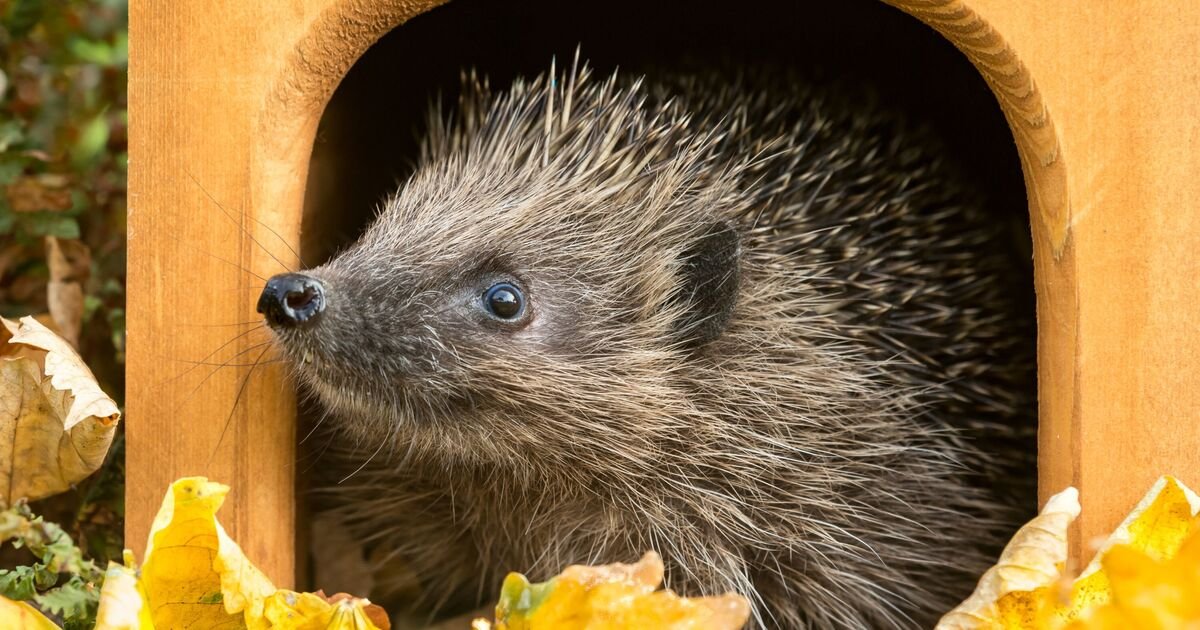
The hedgehog is perhaps the most iconic guest in a British garden, but these prickly companions are currently in a race against time. Late-born litters are particularly vulnerable because they simply haven’t had enough warm months to reach a healthy weight before the ground hardens. If you want to help them, the most effective thing you can do is supplement their natural diet. You might be surprised to find the answer sitting right in your pantry.
Scrambled eggs are a fantastic high-protein treat for a hungry hedgehog. The key is to keep it plain. Skip the butter, salt, milk, or oil—just a simple whisked egg, gently cooked in a pan or the microwave. Think of it as a nutrient-dense snack that mirrors the protein they would get from eating caterpillars or beetles in the summer. If eggs aren’t on the menu, high-quality tinned dog or cat food—specifically avoiding anything fish-based—is another excellent choice. By putting out a small shallow bowl, you provide the fuel these creatures need to bulk up and make it through the winter.
The Truth About Hydration
There is a long-standing myth that leaving a saucer of milk out is a kind gesture for hedgehogs, but the reality is quite the opposite. While they might lap it up, cows’ milk is actually quite harmful to them, often causing severe digestive issues. If you want to be a truly great host, stick to the simplest refreshment available: fresh, clean water. Replacing the water in a shallow dish each night is one of the most effective ways to support their health. Consistency is the secret here; if you decide to provide food or water, try to keep it regular so the local hedgehogs know they have a reliable pit stop during their nightly foraging.
Turning Your Garden Into a Bird Haven
While hedgehogs are busy on the ground, the air is filled with birds looking for reliable sources of energy. Planting for wildlife is a rewarding way to bring color and life to your outdoor space even in the depths of November. Icons like Alan Titchmarsh often advocate for planting berry-bearing shrubs, which serve as natural larders for our feathered friends.
Varieties like the Pyracantha Firethorn are excellent for this purpose. Not only do they provide a stunning display of vibrant orange, yellow, or red berries, but they also offer essential shelter for sparrows and robins against the wind. Another striking addition is the Callicarpa, or beautyberry, which produces deep purple clusters that brighten up a grey autumn day.
Safety First for Humans and Pets
When you are busy curating a garden that serves the local ecosystem, it is easy to forget about our own safety. Some of the most beautiful ornamental plants, including those gorgeous purple beautyberries, are strictly for the birds. It is a vital rule of thumb to treat these berries as decorative rather than edible for people or household pets. When you are planting or pruning, it is always a smart move to wear a pair of durable gardening gloves to protect your skin.
By keeping our garden practices simple and intentional, we can transform our outdoor areas into vital lifelines. Whether it is a bowl of plain scrambled eggs for a prickly visitor or a new bush for the robins, these small actions weave us into the natural rhythm of the season. It makes the upcoming winter feel just a little bit warmer knowing we have played our part in looking after the life that shares our space.
Disclaimer: This content is auto-generated for informational purposes only.
Source: Read Original News