








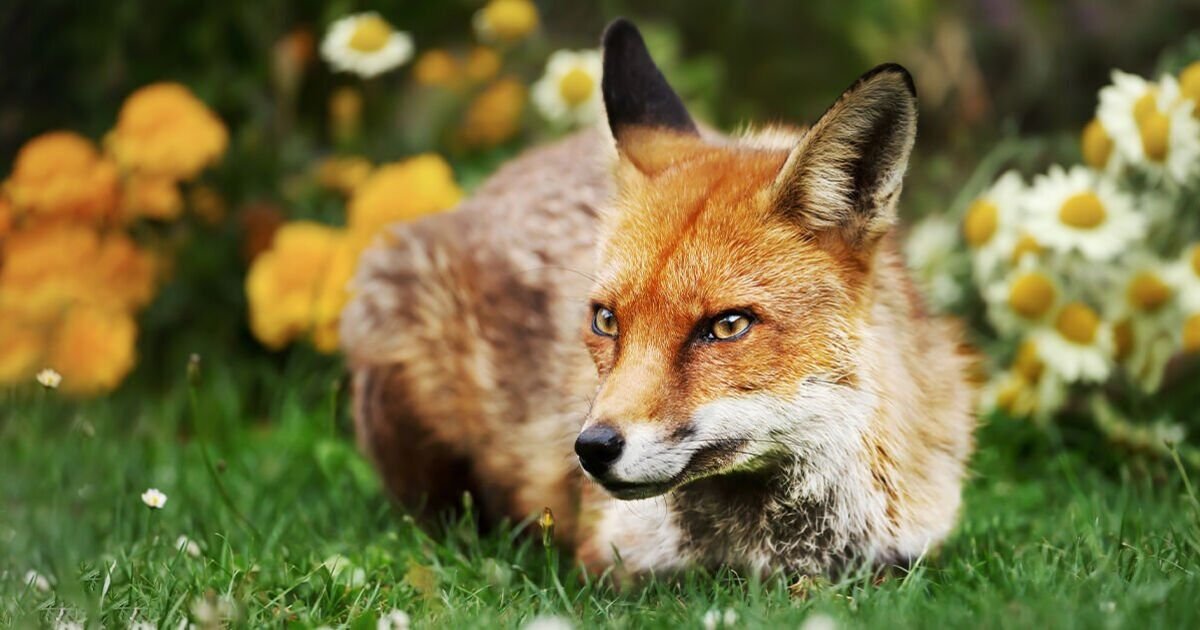
Sharing your outdoor space with local wildlife can feel like living in a scene from a nature documentary. While some of us delight in the occasional appearance of a fox trotting across the lawn under the moonlight, others might feel a bit more hesitant about these clever, furry visitors. If you have noticed signs of a fox in your garden recently, there is no need for panic. Learning how to manage their presence—or simply coexist—is much easier than you might think.
The Truth About Our Fox Neighbors
First, it is helpful to shift the narrative around these animals. Foxes are naturally shy, nocturnal creatures that generally prefer to slip through our gardens unnoticed. They are rarely interested in causing trouble and usually leave very little trace behind. You might notice the occasional stray paw print, a bit of noise during mating season, or signs of their presence, but these animals are peaceful passersby rather than garden invaders. Understanding that they are not out to ruin your flowerbeds or cause distress is the first step toward a more relaxed relationship with the wildlife in your area.
Hosting Wildlife Responsibly
If you find yourself charmed by these nighttime guests and want to offer them a helping hand, a bit of social etiquette goes a long way. Before you decide to start putting out scraps or food, have a chat with your neighbors. Clear communication prevents misunderstandings and helps everyone in your street feel comfortable. Explain that foxes are mostly harmless and that you are keeping the feeding routine responsible. By keeping your neighbors in the loop, you turn a potential point of tension into a shared understanding of your local ecosystem.
Creating a Haven That Works for Everyone
If you want to encourage a healthy garden that supports nature, you do not need to turn your yard into a wilderness reserve. Small additions can make a huge difference. Adding a water source, such as a bird bath or a small pond, is a fantastic way to support local life. Planting native shrubs and trees provides natural cover and sustenance. If you are looking to refresh your landscaping, try to avoid large swaths of artificial grass or concrete. These surfaces offer no life-supporting functions for animals. A garden that thrives with a bit of natural variety will be far more inviting to birds, hedgehogs, and foxes alike.
Humanely Managing Your Garden Access
For those who would prefer to keep their garden as a strictly private zone, you can discourage foxes without being unkind. The most effective method is simply managing access to the areas that might look like a cozy den. Keeping shed and garage doors tightly shut is the easiest way to prevent any unexpected nesting. If you have open spaces beneath decking or old structures, these are the primary spots that might attract a fox looking for a temporary home. Blocking these gaps is a humane deterrent, but timing is everything. Always ensure you are not sealing an animal inside. Checking these spots during the autumn or winter months is the best practice, as it avoids disturbing cubs.
The Trick to Checking for Occupancy
If you are worried that a den might already be occupied, do not rush to seal it off. Interfering with an active den is not just discouraged; there are legal protections in place for wildlife that you should respect. If you suspect a space is being used but you are not entirely sure, try the simple stick test. Place a few twigs or a light layer of soil across the entrance to the hole. If those materials are shifted the next day, you know the den is still in use and should be left alone. If the debris remains undisturbed for several days, it is a strong sign that the space is vacant, allowing you to proceed with filling the hole. By being observant and patient, you can keep your garden tidy while ensuring you are not disrupting the natural rhythms of the animals around you.
Disclaimer: This content is auto-generated for informational purposes only.
Source: Read Original News