






Cyclone Arnab Batters Andhra Coast: Thousands Evacuated as Heavy Rains Cause Widespread Disruption
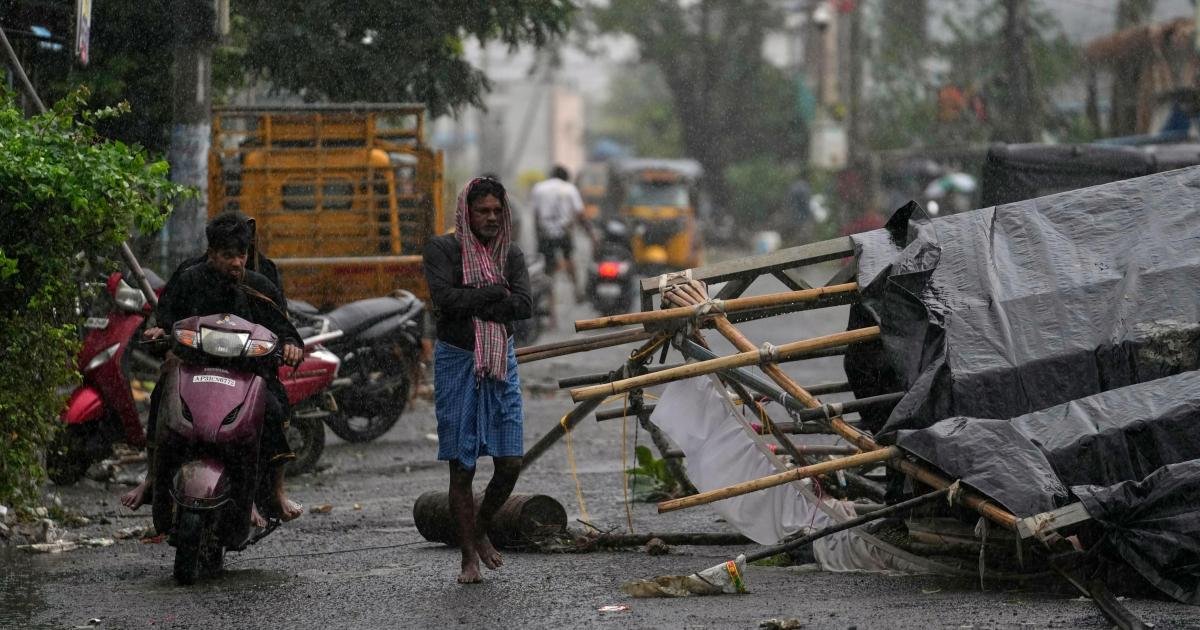
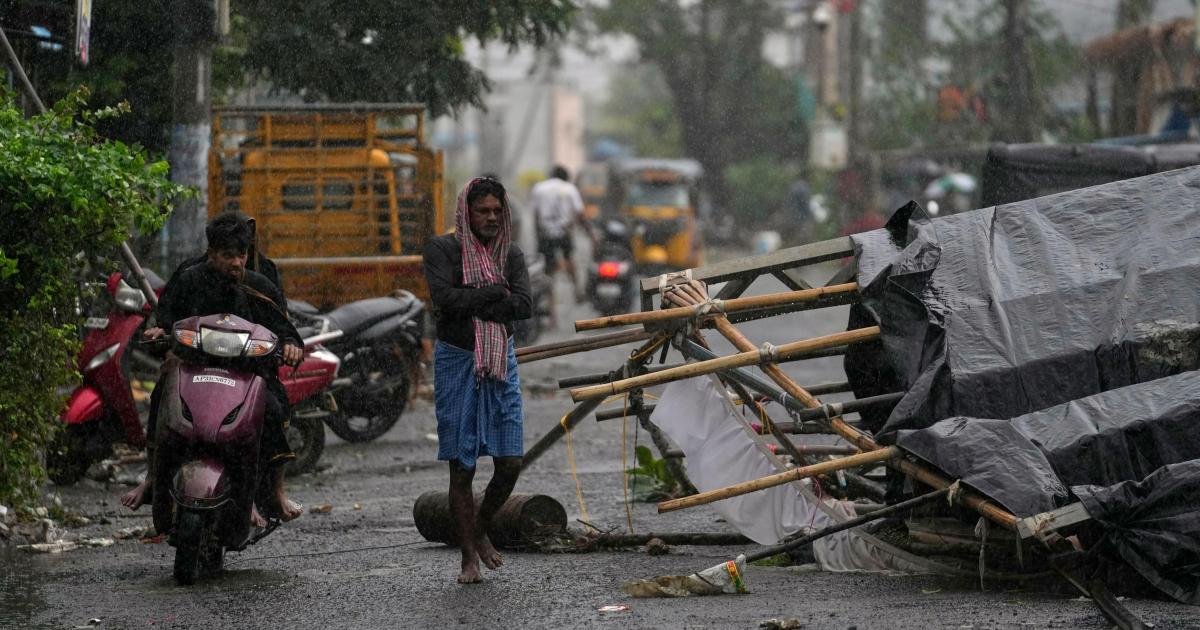
Coastal districts of Andhra Pradesh are grappling with the aftermath of Cyclone Arnab, which made landfall on Wednesday, bringing torrential rainfall and powerful winds. While the storm weakened slightly just before hitting the coastline, its impact has been significant, leaving a trail of infrastructure damage and localized flooding across the region.
Significant Infrastructure Damage in Konaseema
The district of Konaseema has emerged as the worst-affected area in the state. The fierce winds, which were recorded at speeds reaching 84mph early Wednesday morning, caused extensive damage to the region’s agricultural heartland.
Local officials have reported severe destruction to banana and coconut plantations, which are vital to the local economy. The storm’s fury was also visible in the widespread uprooting of trees and electricity infrastructure. According to state authorities, approximately 6,000 electricity poles were toppled in Konaseema alone, plunging the district into darkness and severing power connectivity. Disaster management teams have been mobilized to clear debris from blocked roads and work toward restoring essential services.
Massive Relief and Evacuation Efforts
In preparation for the cyclone, the state government launched a massive, proactive evacuation campaign. More than 89,000 residents were moved to safety from vulnerable, low-lying, and flood-prone areas. With over 12 million people living in the predicted path of the storm, authorities established more than 2,000 cyclone shelters across 20 districts to house those displaced.
Beyond the immediate evacuation of residents, officials took significant measures to protect livelihoods and property. More than 30,000 fishing vessels were secured to prevent damage, and nearly 1,100 medical teams were positioned throughout the state to provide urgent health assistance. Similar precautions were mirrored in the neighboring state of Odisha, where officials prepared for the evacuation of 48,000 people.
Current Situation and Meteorological Forecast
Prakhar Jain, the head of the state’s disaster management authority, confirmed that while the situation caused widespread disruption, no casualties have been reported thus far. As assessments continue, disaster response teams remain on high alert.
The India Meteorological Department (IMD) announced that the landfall process is now complete. As of Wednesday, the storm was downgraded to a “severe” cyclonic storm, and it is expected to lose further momentum as it shifts inland. Despite the weakening trend, the IMD has warned that the influence of the cyclone will continue to trigger heavy rainfall and gusty winds across coastal Andhra Pradesh and parts of southern Odisha. In the port city of Visakhapatnam, intense downpours have already led to flooding in several low-lying neighborhoods.
As the weather gradually begins to ease, the focus of state authorities is shifting from emergency rescue to damage assessment and long-term recovery. Repair crews are currently prioritizing the restoration of the electrical grid to ensure that life in the affected coastal communities can return to normalcy as quickly as possible.
Disclaimer: This content is auto-generated for informational purposes only.
Source: Read Original News