






Madras High Court: OCI Cardholders Require Prior Permission for Missionary Activities
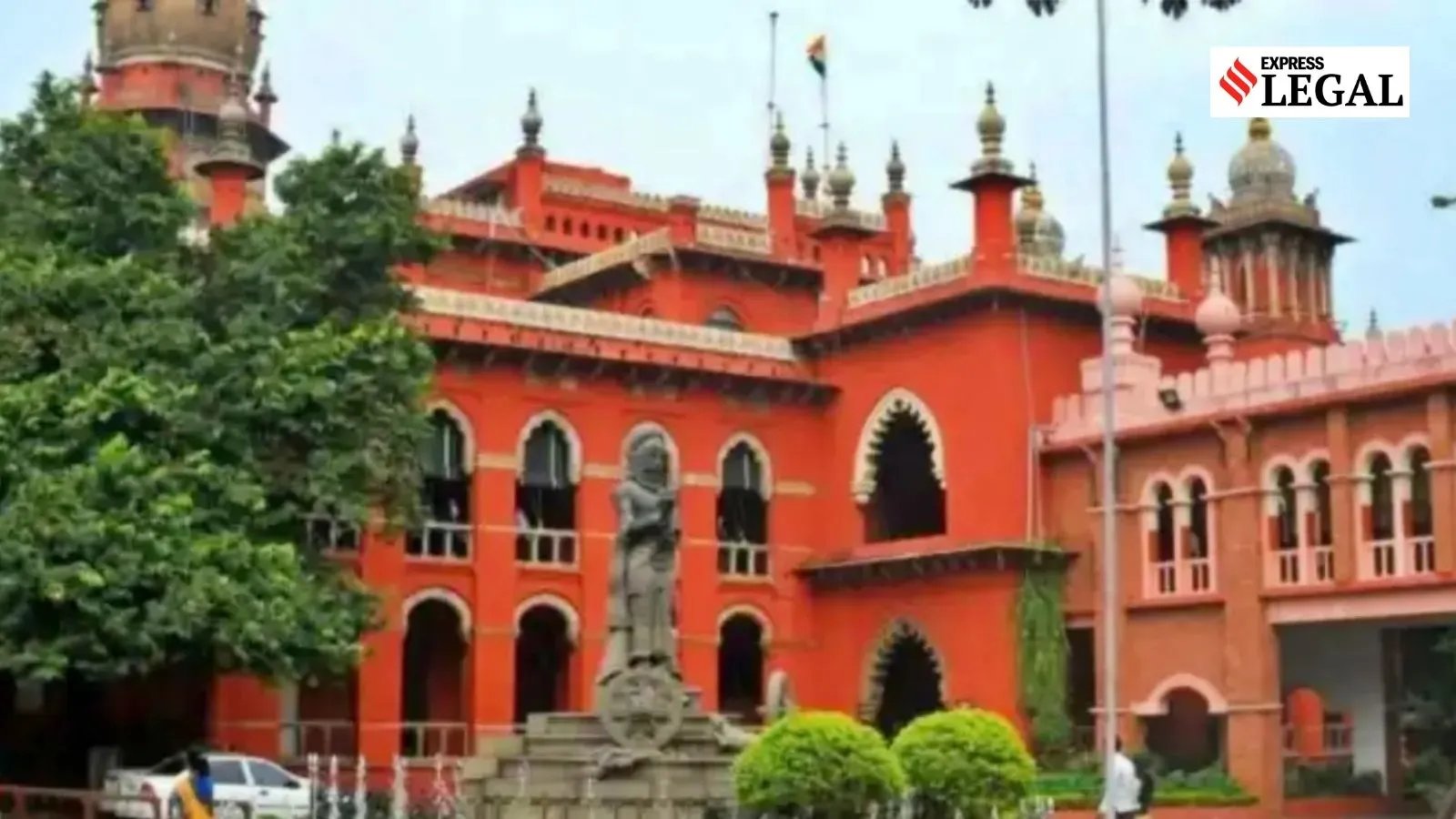
The Madras High Court has reaffirmed that Overseas Citizen of India (OCI) cardholders must obtain mandatory government clearance before engaging in missionary, journalistic, or public-facing activities within the country. In a significant ruling, Justice D. Bharatha Chakravarthy upheld the cancellation of a US citizen’s OCI status, stating that failing to secure such permission constitutes a violation of the Citizenship Act, 1955.
The petitioner had approached the court challenging an order from the Foreigners Regional Registration Officer (FRRO) dated September 4, which revoked his OCI registration following allegations of unauthorized religious activities.
Court Rejects Claims of Fabrication
While the petitioner’s legal team argued that the evidence against him was fabricated, the court dismissed this assertion. Justice Chakravarthy pointed to substantial proof, including digital content obtained from the internet, which documented the petitioner addressing various congregations and meetings across Tamil Nadu and Andhra Pradesh.
The court clarified that the regulatory framework does not distinguish between proselytization and general religious preaching. “It is one thing to contend that the petitioner is not involved in conversion and is only spreading the message of ‘God’,” the order noted. “However, it is not only for conversion, but even to be a missionary preaching his religion, it is only a prior permission that is mandated.”
Dispute Over ‘Missionary’ Categorization
The petitioner, a US citizen with deep personal ties to India, maintained that his visits were strictly familial, intended to support his 92-year-old mother and other relatives. His legal counsel, led by Senior Advocate R. Shanmuga Sundaram, argued that the state failed to provide specific evidence regarding dates, locations, or the identities of individuals allegedly converted by the petitioner. They further contended that the use of terms like “cult” in official orders was prejudicial and lacked evidentiary backing.
However, the court took a stern view of the petitioner’s blanket denials. Justice Chakravarthy described the petitioner’s claim that he had “never been involved in any missionary activities” as a “categorical lie” in the face of the materials presented by the state. The court emphasized that the remedy under Article 226 of the Constitution is equitable, and the petitioner’s “bald denial” of the evidence disqualified him from relief.
Regulatory Obligations for OCI Holders
The High Court underscored that while Section 7A of the Citizenship Act allows for OCI registration based on Indian origin, Section 7D grants the central government the power to cancel such status if the holder breaches laws in force. By acting as a professional preacher without obtaining the necessary official permits, the petitioner had fundamentally bypassed the conditions associated with his OCI status.
In its final directive, the court held that the cancellation of the registration was legally justified. The judge noted that the petitioner is not barred from visiting India entirely; he may apply for a regular visa for personal or family visits. However, for any future involvement in religious gatherings or public meetings, he must strictly adhere to the government’s official authorization process. The petition was consequently dismissed.
Disclaimer: This content is auto-generated for informational purposes only.
Source: Read Original News