






A major overhaul of Japan’s electoral system moved significantly closer to reality on October 28 as a bill to reduce the number of Lower House seats gained the critical support of two key parties. The proposal, spearheaded by the ruling Liberal Democratic Party (LDP), received formal endorsements from coalition partner Nippon Ishin (Japan Innovation Party) and the opposition Democratic Party for the People (DPP), signaling a likely path to passage through the Diet.
The agreement marks a tactical compromise in a long-standing debate over legislative reform. Nippon Ishin, which has aggressively campaigned for a reduction in the number of lawmakers as a gesture toward fiscal responsibility, had initially pushed for a 45-seat cut. The LDP countered with a proposal to eliminate 31 seats, all from the proportional representation constituency.
While the LDP and Nippon Ishin hold a commanding majority in the Lower House, their influence is more constrained in the Upper House. The inclusion of the DPP, however, creates a broad coalition that secures a majority in the upper chamber, effectively clearing the primary legislative hurdle for the bill.
To secure this support, the LDP integrated several demands originally proposed by the DPP. Among the key concessions is a revision to the proportional representation system that would allow multiple parties to submit a single, combined roster of candidates. This mechanism is designed to help smaller parties aggregate votes, potentially enabling them to secure seats that might otherwise be lost under the current, more restrictive threshold requirements. Furthermore, the LDP agreed to consolidate the Chugoku and Shikoku regional blocs into a single constituency for proportional representation, a move the DPP had long advocated.
The legislative maneuver has not been without controversy. Other opposition parties have voiced strong dissent, arguing that any fundamental change to the electoral system—the bedrock of the nation’s democracy—requires a broader consensus than that reached by a select few parties. They contend that the shift disproportionately threatens their electoral prospects, as they rely heavily on the current proportional representation format to maintain their presence in the Diet.
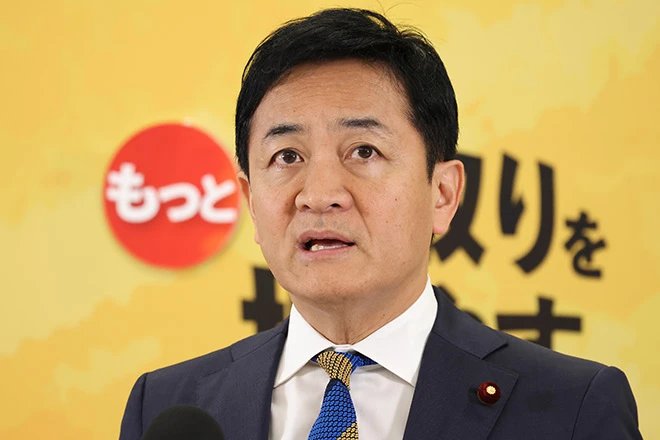
Despite this pushback, proponents of the bill view the deal as a necessary pragmatic step. Motohisa Furukawa, a senior executive for the DPP, confirmed the party’s approval following an October 28 meeting, describing the LDP’s revised proposal as a significant step that aligns with the party’s vision for political reform.
“The latest compromise would bring about a major change along the lines of our party’s thinking as well as the current political situation,” Furukawa told reporters.
With the three parties now aligned, the bill is expected to proceed through the Diet, marking a rare moment of cross-aisle cooperation on a restructuring of Japan’s parliamentary makeup. If finalized, the reduction will represent the most significant adjustment to the composition of the Lower House in recent years, setting the stage for a leaner, albeit highly debated, legislative assembly.
Disclaimer: This content is auto-generated for informational purposes only.
Source: Read Original News