








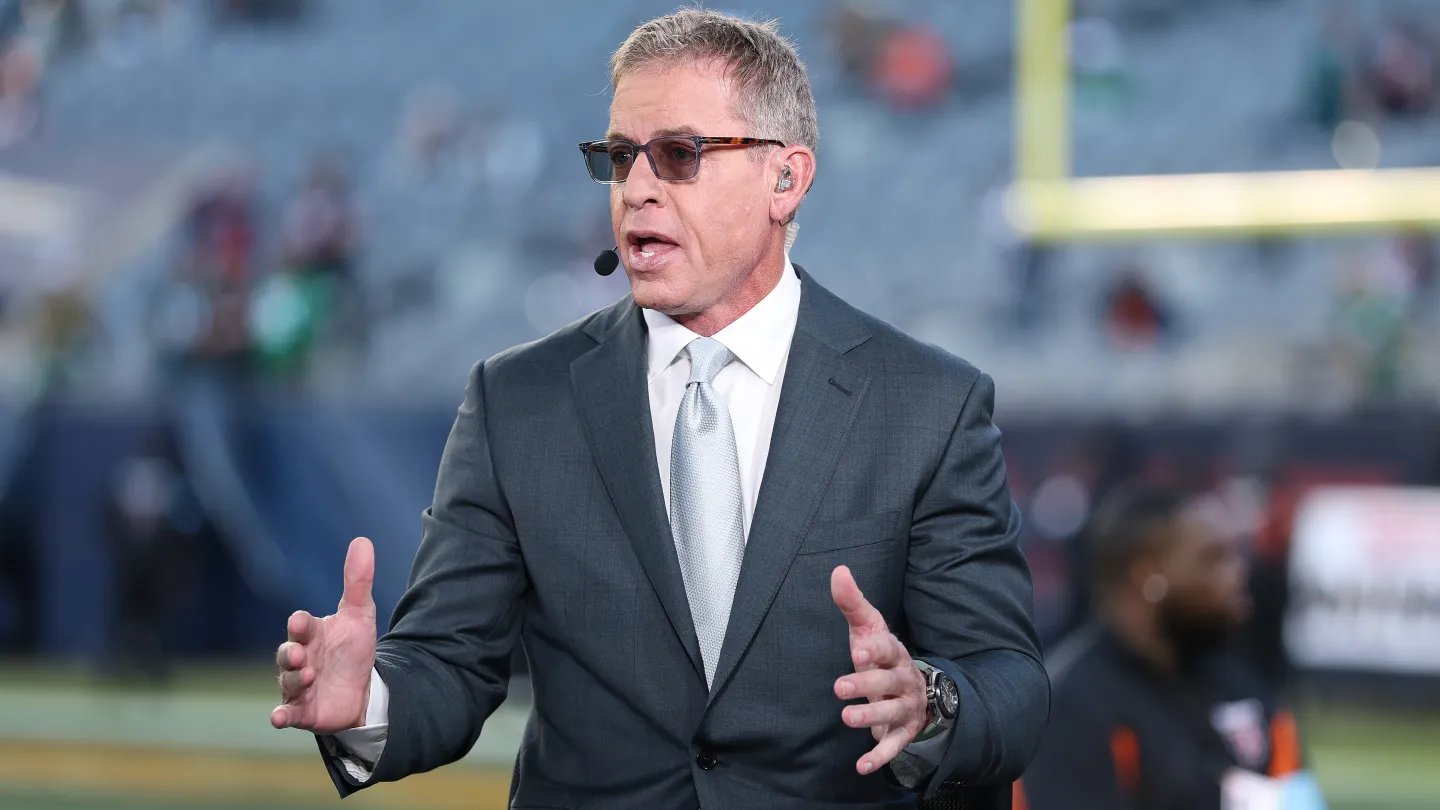
The NFL remains the undisputed titan of television, yet this season, the most compelling drama isn’t happening on the gridiron—it’s unfolding inside the broadcast booth. As ESPN prepares to host its first Super Bowl since 2006, a rift between legendary partners Joe Buck and Troy Aikman has cast a shadow over the network’s premium coverage.
While the pair continues to deliver high-quality broadcasts that mask any internal friction, the reality behind the scenes is stark: Buck has secured a lucrative new contract with ESPN, while Aikman remains unsigned beyond this year. This uncertainty has left the future of one of sports media’s most iconic duos hanging in the balance, creating a rare point of instability in an otherwise ironclad media landscape.
The Uncertainty of Media Longevity
Aikman, who has spent 25 years in the booth, recently expressed a newfound vulnerability regarding his career. In a candid interview on The Mike Fisher Show, the former Dallas Cowboys quarterback admitted that the prospect of his ESPN tenure coming to an end has forced him to reevaluate his relationship with the profession.
“Until you risk having something taken away from you, I think sometimes you tend to maybe take things for granted,” Aikman noted. The veteran analyst, who entered television by happenstance, now faces the reality that the business of sports broadcasting is as cutthroat as the league itself, where even established stars must navigate the shifting priorities of corporate ownership.
A Wider Trend of Broadcast Volatility
The tension between Buck and Aikman is emblematic of a broader, year-long shakeup across the NFL’s broadcast partners. Networks are increasingly pivoting away from legacy arrangements, prioritizing fresh talent and cost-efficiency. At CBS, the departure of Tony Romo following a legal issue paved the way for JJ Watt to secure a permanent, multiyear role. Meanwhile, at Fox, Greg Olsen is nearing the end of his contract, and industry chatter continues to circulate around high-profile personalities like Travis Kelce and Sean McVay as potential future broadcast stars.
This talent carousel is being watched closely by the NFL, which maintains a strict requirement for “first-class” production value. While the league publicly insists it has “no concern” regarding the ESPN impasse, internal sources suggest that the quality of the A-team booth remains a non-negotiable benchmark in their multibillion-dollar media rights deals.
Tech and the Future of Sports Consumption
As these networks navigate personnel crises, the underlying structure of how fans consume football is also being reshaped by digital integration and artificial intelligence. While the “A-team” broadcast remains the gold standard, the NFL is aggressively experimenting with alternative viewing experiences—from the ManningCast and Pat McAfee’s energetic segments to AI-driven, animated altcasts.
These innovations are no longer just supplementary; they are critical tools for platforms like ESPN+ and YouTube TV to maintain engagement in an era of cord-cutting. As the tech industry continues to leverage AI to personalize game-day experiences, the role of the traditional broadcaster is evolving. Networks are realizing that they must blend the prestige of veteran analysts with the technical agility of digital-first platforms to keep viewers locked in.
Despite the internal unrest and the high-stakes negotiations, the NFL’s popularity remains insulated from these behind-the-scenes hurdles. Fans may care deeply about their favorite commentators, but they aren’t turning off the game. Ultimately, while the faces in the booth may change, the league’s dominance over the television landscape seems set to continue, even as the medium itself undergoes a digital metamorphosis.
Disclaimer: This content is auto-generated for informational purposes only.
Source: Read Original News