







Legislative Reform: Assembly Speakers Push for Minimum 30-Day Sessions Amid Call for Modernised Rules
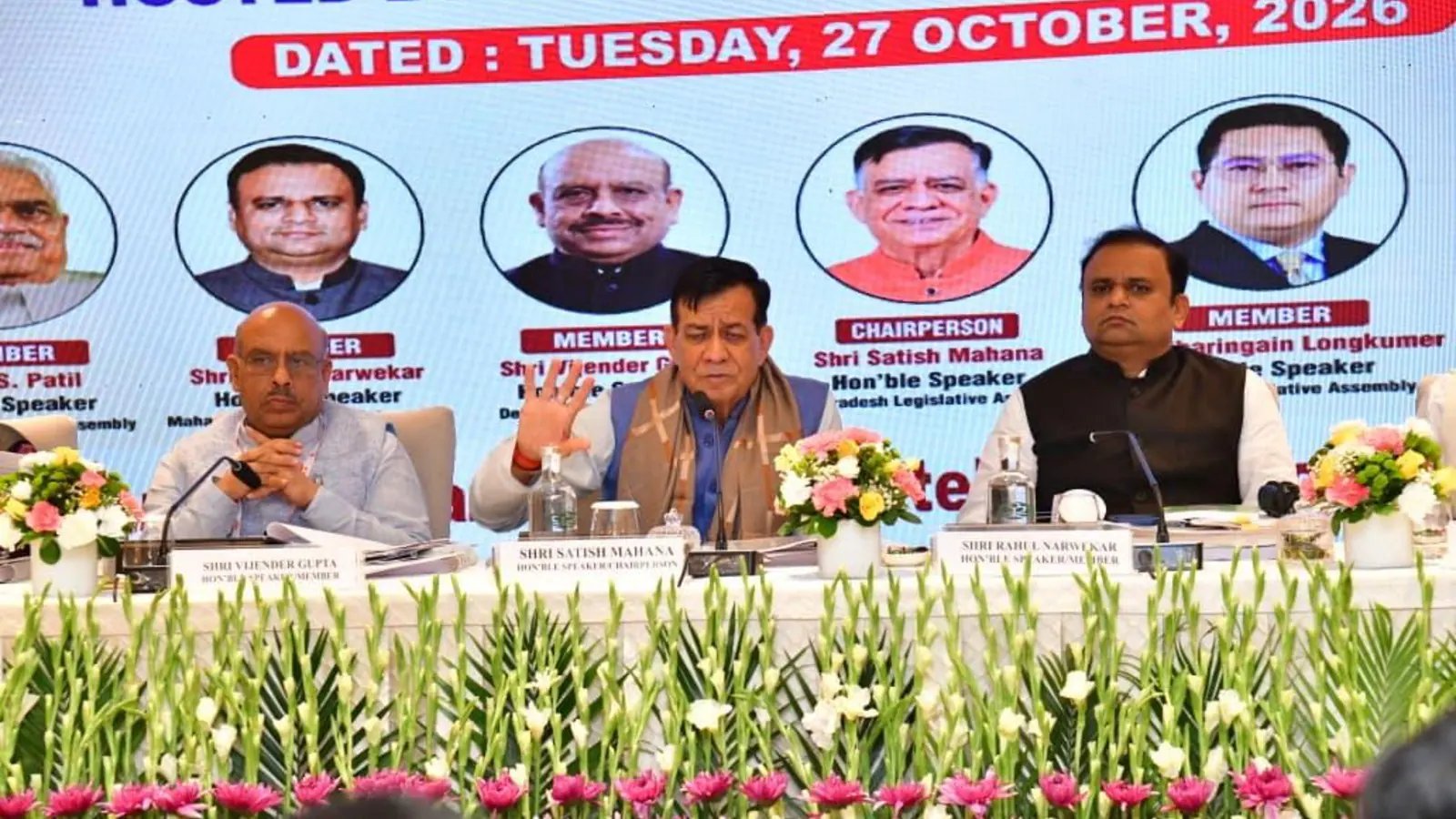
New Delhi: In a significant move aimed at enhancing legislative productivity, a committee of Assembly Speakers is deliberating a proposal to mandate a minimum of 30 days of sittings per year for legislative bodies across India. The initiative, which seeks to address the trend of dwindling session durations, was a key topic of discussion at a high-level meeting held in the national capital this Tuesday.
The push for longer sessions gains urgency following data from the PRS Annual Review of State Laws 2025, which revealed that state Assemblies functioned for an average of only 24 days throughout the year. The situation in the national capital is particularly stark, with the Delhi Assembly meeting for a mere 17 days in 2025. Between 2020 and 2025, the Delhi legislative body averaged only 15 days of work annually.
A Quest for Uniformity and Flexibility
Uttar Pradesh Assembly Speaker Satish Mahana, who chairs the panel, noted that the proposed recommendations—which were intended to be finalised during this meeting—require further deliberation. Inputs from Delhi, Maharashtra, Karnataka, and Himachal Pradesh are currently being integrated to ensure the final report, to be submitted to the Lok Sabha, is comprehensive.
Delhi Assembly Speaker Vijender Gupta, while advocating for a structured calendar featuring Budget, Monsoon, and Winter sessions, cautioned against a “one-size-fits-all” approach. “Uniform rules must not mean identical rules,” Gupta asserted, highlighting the necessity of respecting the unique constitutional positions of regions like Delhi, Jammu and Kashmir, and Puducherry.
Modernising Legislative Procedures
Beyond increasing the number of sittings, the committee is debating an overhaul of archaic legislative conventions. Speaker Gupta proposed a transition toward gender-neutral language in official rulebooks, moving away from outdated, masculine-coded terminology.
The reform agenda also includes a robust push for digital integration. Gupta championed the use of electronic summons, notices, and petitions, while insisting that bills be provided to members well in advance. He emphasised that legislative documents should be accompanied by authorised translations and detailed assessments of their potential financial, administrative, and legal impacts. Furthermore, he suggested that sensitive legislation should undergo rigorous scrutiny by committees that incorporate expert and public feedback.
Streamlining House Conduct
The discussions also touched upon managing daily House business. Suggestions included restricting Adjournment Motions to one per sitting to prevent administrative bottlenecks and ensuring a clear separation between Zero Hour and Special Mentions.
Meanwhile, Speaker Mahana proposed a drastic reduction in the notice period for convening sessions—moving from 15 days down to three—arguing that modern digital communication renders prolonged lead times obsolete. Mahana, who has been instrumental in reforming Uttar Pradesh’s legislative rules since 2022, also suggested that members should have the facility to submit questions just 15 days after a session is prorogued, significantly cutting down the months-long waiting periods previously enforced.
The meeting itself served as a testament to the proposed digitisation, operating entirely paperless. The Delhi Assembly Secretariat estimated that this shift alone saved over 18,000 sheets of paper, conserved thousands of litres of water, and prevented significant carbon emissions, setting a green benchmark for legislative practices nationwide.
Disclaimer: This content is auto-generated for informational purposes only.
Source: Read Original News