








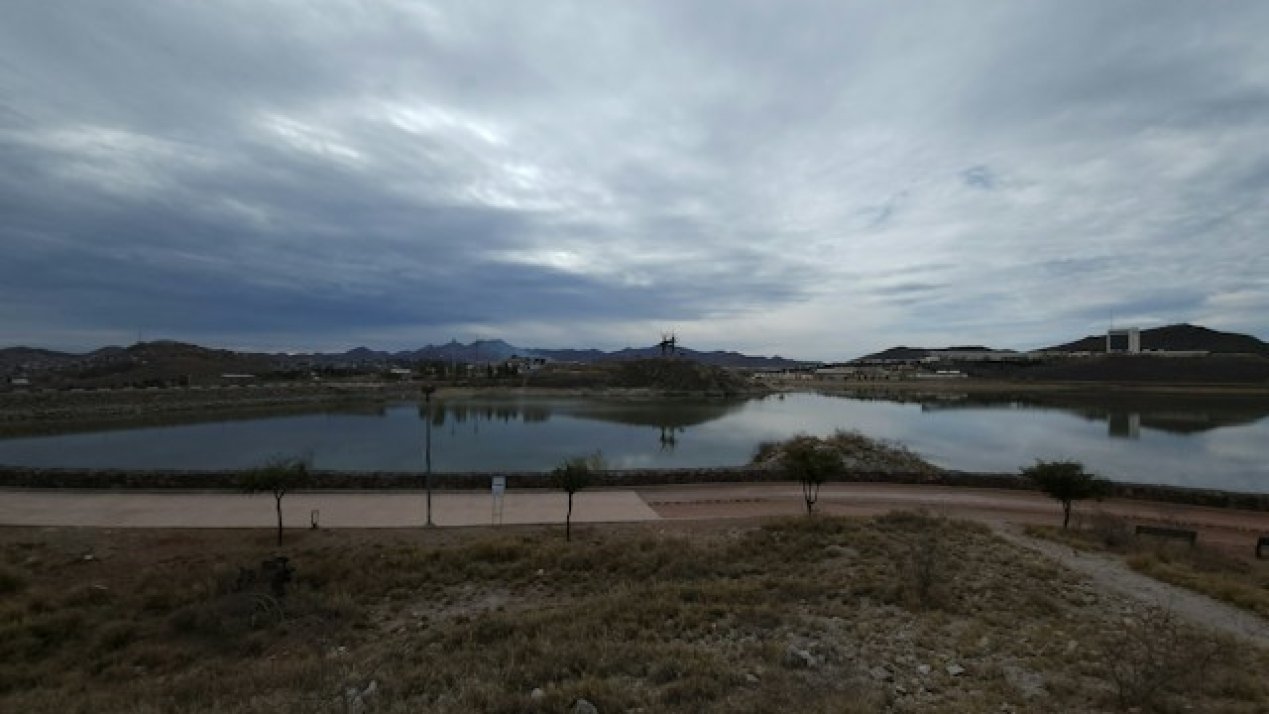
Water scarcity in Mexico has moved beyond a strictly environmental concern, rapidly transforming into a primary pivot point for industrial strategy and capital allocation. As businesses and developers face an increasingly fragile resource landscape, water security is now being weighed alongside energy and regulatory stability in boardrooms across the country.
## The Growing Economic Bottleneck
The data paints a sobering picture of the national supply. According to the 2025–2030 Institutional Program from the Mexican Institute of Water Technology (IMTA), 286 of the nation’s 653 aquifers currently suffer from a lack of water availability, a stark increase in regional water stress. For industries ranging from automotive and pharmaceuticals to advanced manufacturing, this scarcity poses a direct threat to operational continuity.
Analysts at Moody’s Ratings have warned that this shortage could create a significant bottleneck for Mexican industrial growth. Facilities that rely on high volumes of water—whether for cooling, cleaning, or chemical processing—are finding that the traditional “plug and play” model of industrial park development is no longer viable. Companies are now forced to factor in potential long-term risks such as groundwater depletion and the associated costs of water treatment, logistics, and supply chain disruptions.
## The Role of Tech and AI in Resource Management
In response to these challenges, the industrial sector is turning toward technology and digital transformation to maintain competitiveness. The integration of advanced monitoring systems is becoming a standard requirement for modern manufacturing.
Artificial intelligence and IoT-driven solutions are at the forefront of this shift. Companies are increasingly deploying smart metering, real-time pressure sensors, and data analytics platforms to identify leaks and optimize water usage across large-scale facilities. These tools allow for granular oversight that was previously impossible, helping organizations shift toward a circular economy model where treated wastewater is reclaimed for industrial reuse.
Global tech service providers, including firms like Ecolab, are capitalizing on this demand for “water circularity.” By utilizing AI-powered diagnostics, these firms help industrial players improve water efficiency while navigating stricter regulatory environments and rising operating costs. This technological pivot is not just about conservation; it is an operational hedge against the unpredictability of regional water supplies.
## Data Centers Under the Microscope
The expansion of technology-related activities, particularly the growth of data centers, has brought a new dimension to the national water debate. Given that data centers require massive amounts of energy and water for cooling, there is growing pressure for greater transparency regarding their environmental footprint.
Industry experts and environmental groups, including the World Wide Fund for Nature (WWF) and ANEAS, are pushing for more rigorous reporting on water usage. This is particularly relevant in hubs like Queretaro, which hosts the vast majority of Mexico’s data center capacity. In response, local authorities are partnering with technology firms to develop transparent tracking mechanisms.
## Moving Toward a Data-Driven Policy Future
The Mexican government’s recent 2026–2030 National Water Program underscores this transition, calling for improved governance and the integration of modern tools to monitor and protect aquifers. Officials have signaled that they are exploring the use of AI to manage and monitor national distribution networks, aiming to curb losses and maximize existing resources.
Ultimately, water management in Mexico is entering an era where data is as vital as the resource itself. For companies looking to expand, the ability to demonstrate sustainable, tech-enabled water management is quickly becoming the ultimate competitive advantage, ensuring they can operate reliably in an increasingly thirsty landscape.
Disclaimer: This content is auto-generated for informational purposes only.
Source: Read Original News