









Security Beefed Up in Arunachal Pradesh’s Siang Valley Following Violent Dam Protests
ITANAGAR – The remote, ecologically fragile Siang Valley in Arunachal Pradesh has been placed under tight security surveillance following a week of escalating tensions and violent confrontations between local youth protesters and state authorities. The unrest, fueled by opposition to a massive proposed hydropower project, has resulted in multiple arrests and significant damage to public infrastructure.
Violent Clashes Erupt Over Hydropower Project
The volatile situation reached a boiling point last week when demonstrations against the Siang Upper Multipurpose Project turned physical. According to local police reports, the situation spiraled out of control as protesters engaged in stone-pelting and reportedly set fire to a local police station and an office building belonging to the state-owned National Hydroelectric Power Corporation (NHPC).
Law enforcement personnel deployed tear gas to disperse the crowds, leading to the detention of at least 21 individuals. In response to the unrest, Arunachal Pradesh Police Chief S. D. Singh Jamwal confirmed that hundreds of additional security personnel have been mobilized across the valley. The reinforcement is aimed at restoring order and preventing any further breaches of the peace in this strategically sensitive region bordering Tibet.
The Epicenter of Conflict
The Siang Upper Multipurpose Project is an ambitious 11,200-megawatt initiative designed to serve as a cornerstone of India’s energy infrastructure. However, the project has faced sporadic yet persistent opposition from the local population for the past two years.
For the Adi tribe, whose ancestral heritage is deeply rooted in the valley, the project represents an existential threat. Representatives from the Siang Indigenous Farmers’ Forum have sounded the alarm, warning that the dam’s construction will submerge 27 ancestral villages entirely, while significantly disrupting the lives of residents in nearly 50 other settlements. These community leaders argue that the development will destroy their traditional way of life and displace generations of families.
Geopolitical Strains and Water Security
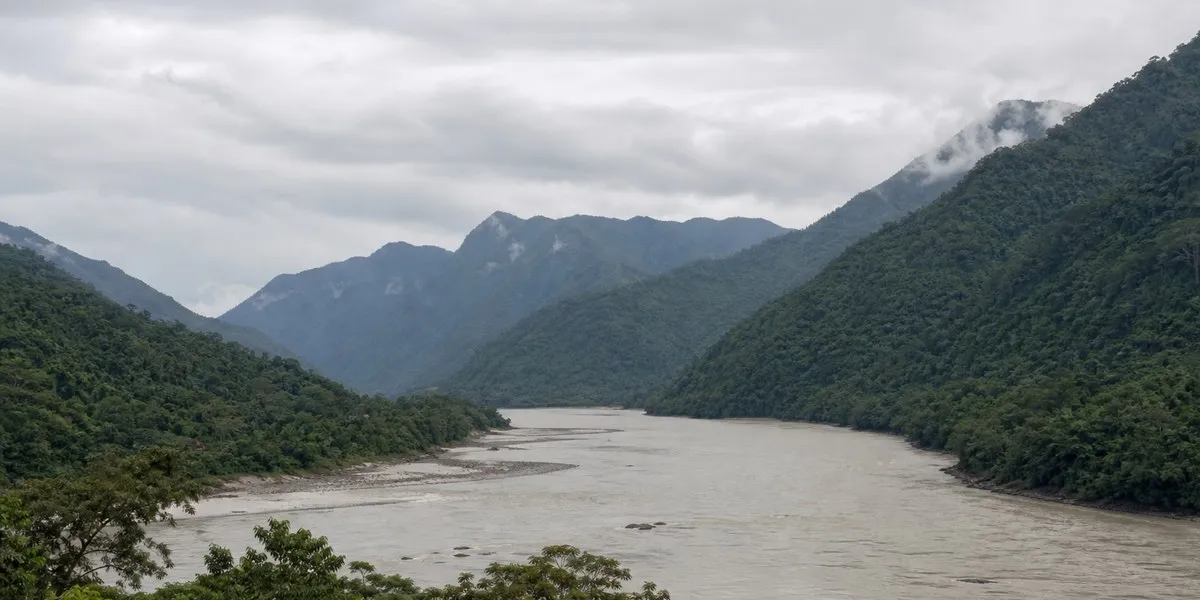
The push for the dam is also a response to the shifting geopolitical landscape in the Himalayas. The Siang River, known as the Yarlung Tsangpo in Tibet, serves as a vital water source for the region. In late 2024, China announced plans to construct the world’s largest hydropower dam upstream, a move that sparked alarm in New Delhi.
Indian officials remain deeply concerned that Beijing could use its control over the river’s flow as a geopolitical lever, effectively “weaponizing” water access. Arunachal Pradesh, which China claims as part of “southern Tibet” or Zangnan, remains a focal point of territorial tensions between the two nuclear-armed neighbors.
India maintains that the state is an inseparable part of its sovereign territory. As New Delhi accelerates infrastructure development in the region to counter Chinese influence, the internal struggle in the Siang Valley underscores the complex challenge of balancing national strategic security with the rights and welfare of indigenous mountain communities.
As the security lockdown continues, the local administration faces the difficult task of addressing the grievances of the Adi people while maintaining the momentum of a project that the central government views as a vital national interest.
Disclaimer: This content is auto-generated for informational purposes only.
Source: Read Original News