






Tensions flared in Lahore this past Sunday as Pakistan’s thrilling one-wicket victory over England was overshadowed by a disciplinary confrontation involving speedster Haris Rauf. While the match will be remembered for a heroic final-wicket stand, the aftermath has been dominated by the International Cricket Council’s (ICC) swift crackdown on player conduct and match management.
The ICC confirmed on Monday that Rauf has been hit with a 20 per cent fine of his match fee and slapped with an official demerit point following a heated altercation with England all-rounder Will Jacks. The incident, which occurred during the high-pressure closing stages of Pakistan’s chase, has highlighted the razor-thin margin between competitive intensity and breaching the spirit of the game.
A Flashpoint in the 46th Over
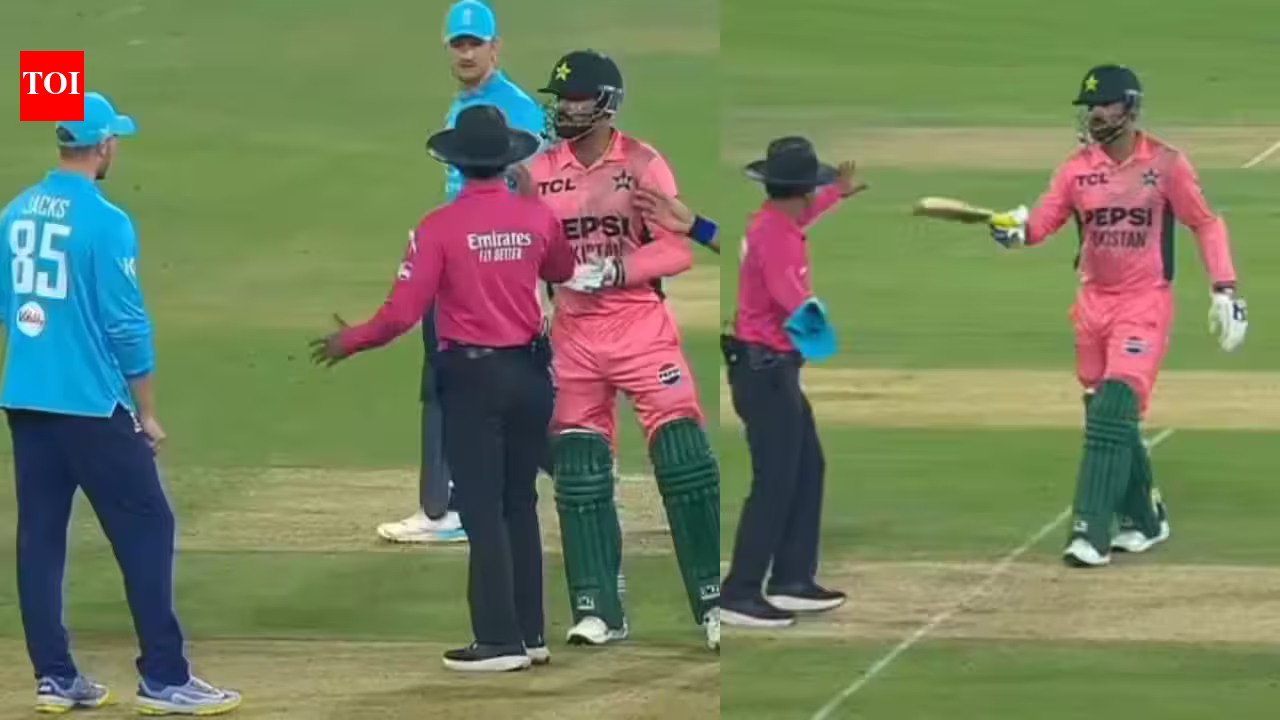
The controversy erupted late in the contest, specifically following the completion of the 46th over. With the tension palpable at the non-striker’s end, Rauf began gesturing toward the umpires to signal for a wide delivery. The situation rapidly escalated into a verbal confrontation with Will Jacks.
According to reports from the match officials, the interaction went beyond mere competitive banter. Witnesses noted that Rauf raised his bat during the exchange and persisted in his argument despite clear verbal warnings from on-field umpire Sharfuddoula Ibne Shahid. The escalation reached a breaking point when Rauf, moving toward the England fielder, physically brushed past the official.
Such actions are viewed strictly under Article 2.2 of the ICC Code of Conduct, which governs behavior contrary to the spirit of the game. This latest sanction marks Rauf’s third offense within a 24-month window, bringing his total accumulation to five demerit points—a tally that will undoubtedly put the fiery pacer under closer scrutiny from match officials in future outings.
England Fined for Slow Over-Rate
It was a difficult day for the touring English side, who not only suffered a heartbreaking defeat but also faced a secondary financial penalty. The ICC confirmed that England fell three overs short of the required over-rate after time allowances were calculated, resulting in a 15 per cent fine of their match fees for every player in the squad.
The penalty, issued under Article 2.22 of the Code of Conduct, serves as a standard disciplinary mechanism to ensure that the pace of play remains within acceptable limits. England captain Harry Brook opted not to contest the ruling, accepting the penalties imposed by Jeff Crowe of the Emirates ICC Elite Panel of Match Referees on behalf of the entire team.
Match Officials Take a Firm Stand
The charges against both Rauf and the England team were initiated by the officiating crew, including on-field umpires Rashid Riaz and Sharfuddoula, along with third umpire Wayne Knights and fourth umpire Nassir Hussain. By handling the reports efficiently, match referee Jeff Crowe ensured that the process remained transparent and swift. Because both Rauf and Brook accepted the proposed sanctions, the ICC was able to bypass a formal hearing, closing the books on the disciplinary matter almost immediately after the conclusion of play.
The Heroics on the Pitch
Despite the off-field drama, the narrative of the match was defined by one of the most unlikely comebacks in recent ODI history. With the game slipping away, Pakistan’s Shadab Khan delivered a masterclass under pressure, anchoring the innings with a brilliant, unbeaten century.
With the team in desperate need of a miracle, Rauf transitioned from antagonist to hero, partnering with Shadab for a match-winning, unbroken 89-run stand for the final wicket. Their partnership systematically chipped away at the target, eventually steering Pakistan to victory with 17 balls to spare.
The win carries massive implications for the tournament structure, as Pakistan has now officially punched their ticket to the ODI tri-series final. While the team celebrates their resilience and ability to perform in “clutch” moments, the management will surely be hoping for a more disciplined display when they face Sri Lanka in the title decider on October 31.
For Haris Rauf, the lesson is clear: while his aggression and passion are hallmarks of his bowling style, they must remain within the confines of the game’s laws if he is to avoid further, more significant suspensions. As the tri-series heads toward its climax, all eyes will be on both the cricket being played and the conduct of the stars under the bright lights of the final.
Disclaimer: This content is auto-generated for informational purposes only.
Source: Read Original News