






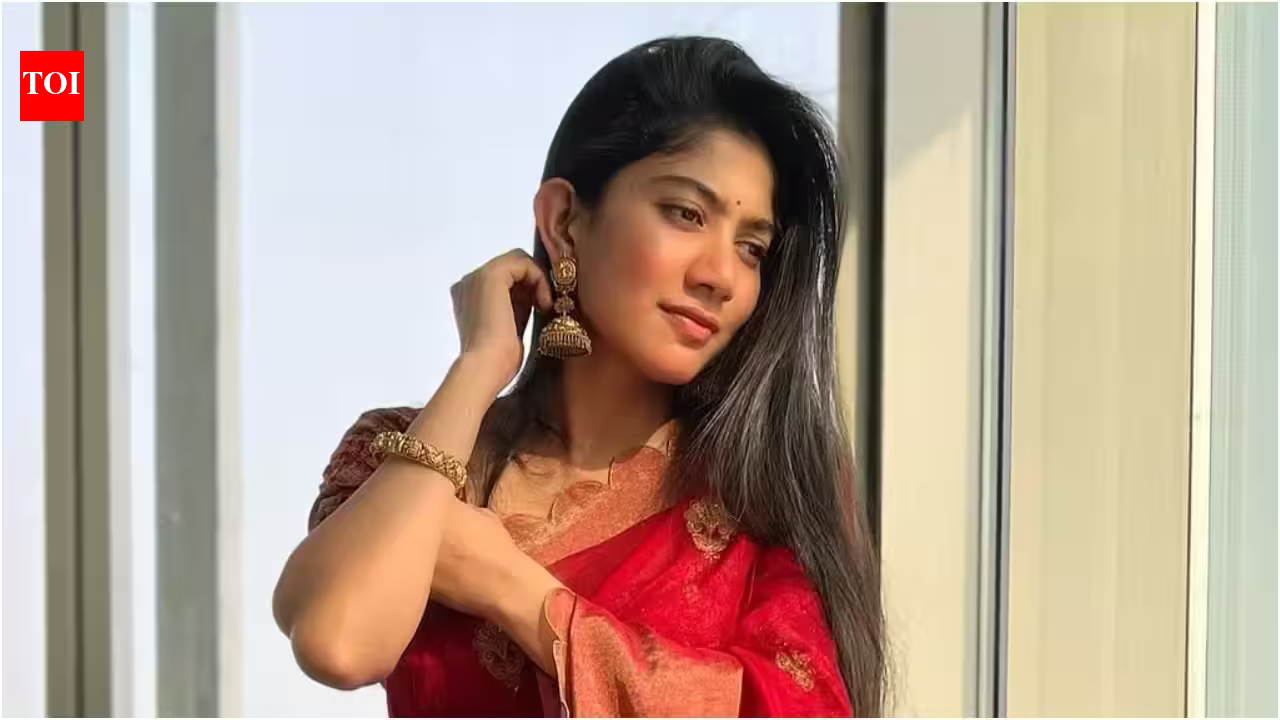
The glitz and glamour of Los Angeles provided a stark backdrop for what is arguably the most anticipated cinematic event of the decade. As the red carpet unfurled for Nitesh Tiwari’s magnum opus, Ramayana, on October 27, 2026, the air was thick with the kind of palpable electricity usually reserved for global superhero blockbusters. With Ranbir Kapoor, Sai Pallavi, and Yash leading a gargantuan ensemble cast, the project isn’t just a movie—it’s a cultural juggernaut. However, amidst the talk of groundbreaking visual effects and stellar performances, one comment from Sai Pallavi has ignited a firestorm that threatens to eclipse the film’s technical achievements before it even hits wide release.
A Philosophical Spark on the Red Carpet
Sai Pallavi, who steps into the pivotal role of Sita, was clearly eager to champion the film’s narrative depth. During her press junket at the premiere, she painted a picture of Ramayana as a gateway for global audiences to understand the intricacies of Indian scripture. She spoke with reverence about the production team’s commitment to visual fidelity, promising a sensory experience bolstered by world-class technicians.
But the conversation took a turn from standard promotional rhetoric when the actress delved into the moral complexity of the epic. “At the same time, as a scripture, I think, if you are a believer, and you would see, try to introspect, and see what good and bad exists in you, and you learn to correct yourself over time,” she noted. It was her subsequent assessment of the antagonist that stopped onlookers in their tracks: “Because Ravana is not all bad. And it’s important that we spot the Ravana in us, and we make changes over time.”
The Digital Duel: Analyzing the Backlash
In the high-stakes arena of social media, nuance often dies an early death. Within hours of the video surfacing, the internet fractured into polarized camps. For a vocal segment of the online audience, characterizing Ravana as anything other than the embodiment of absolute evil was seen as a betrayal of traditional storytelling. One particularly scathing user on X (formerly Twitter) labeled the remark as “a woman praising her abductor,” reflecting a deep-seated protective instinct toward the sanctity of the original epic.
Conversely, a more analytical faction jumped to the actress’s defense, arguing that she was speaking to the philosophical allegories embedded in the Ramayana. Defenders pointed out that Ravana is historically recognized in various traditions—particularly in parts of South India—as a devotee of Lord Shiva, a master of the Vedas, and a brilliant scholar. “She is right in a way,” one user reasoned. “He is a Shiva devotee, scholar, musician—his good side—but his pride and lust brought him to the dark side.” This debate highlights the central tension of modernizing ancient epics: the struggle between rigid adherence to orthodox morality and the desire for complex, humanized character arcs that resonate with contemporary audiences.
Separating the Demons from the Drama
As the dust settles on the initial social media skirmish, it is worth asking whether this “controversy” is a genuine critique or merely a product of our modern outrage culture. Many who have scrutinized the full clip argue that the comment was stripped of its meditative intent. The actress wasn’t suggesting that the Ramayana condones Ravana’s actions; she was proposing that the text acts as a mirror.
By framing Ravana as a representative of the internal struggle between virtue and vice, Pallavi was essentially highlighting the timeless, introspective power of Indian mythology. In an era where viewers are increasingly demanding multifaceted villains who aren’t just one-dimensional manifestations of malice, her perspective suggests that Nitesh Tiwari’s vision may be far more psychologically layered than a standard “good vs. evil” spectacle.
The Weight of Expectation: A Global Vision
Beyond the headlines, the early word on Ramayana from the LA premiere has been overwhelmingly positive. The sheer scale of the production is unprecedented for Indian cinema. With a cast list that reads like a “who’s who” of the industry—including legends like Sunny Deol, Anupam Kher, and Arun Govil, alongside stars like Kajal Aggarwal, Rakul Preet Singh, and Vivek Oberoi—the film is clearly aiming for a cultural footprint that transcends language barriers.
Scheduled for a worldwide release on November 5, 2026, the film will be hitting theaters in Hindi, Tamil, Telugu, Kannada, and Malayalam, signaling an aggressive, pan-Indian strategy. With a second installment already on the books for Diwali 2027, the stakes could not be higher. The producers are betting that the grandeur of the visuals—paired with a storytelling approach that isn’t afraid to spark debate—will be enough to turn this mythological epic into a generational defining moment.
Looking Ahead to November 5
As we move closer to the release date, the focus will likely shift back from red-carpet soundbites to the craft itself. Will the VFX truly redefine the genre? Can a cast of this size breathe genuine life into characters that are ingrained in the collective consciousness of billions? And perhaps most importantly, will the audience be willing to embrace a version of the Ramayana that asks them to look inward?
Sai Pallavi’s “Ravana” remark may have been the spark, but the fire it ignited has only served to build anticipation. Whether you view her comment as a bold interpretation or a misstep, one thing is certain: people are talking about this film. And in the world of high-budget blockbusters, conversation is the ultimate currency. Come November, we will find out if the final product justifies the noise, the anticipation, and the debate. For now, the theater awaits.
Disclaimer: This content is auto-generated for informational purposes only.
Source: Read Original News