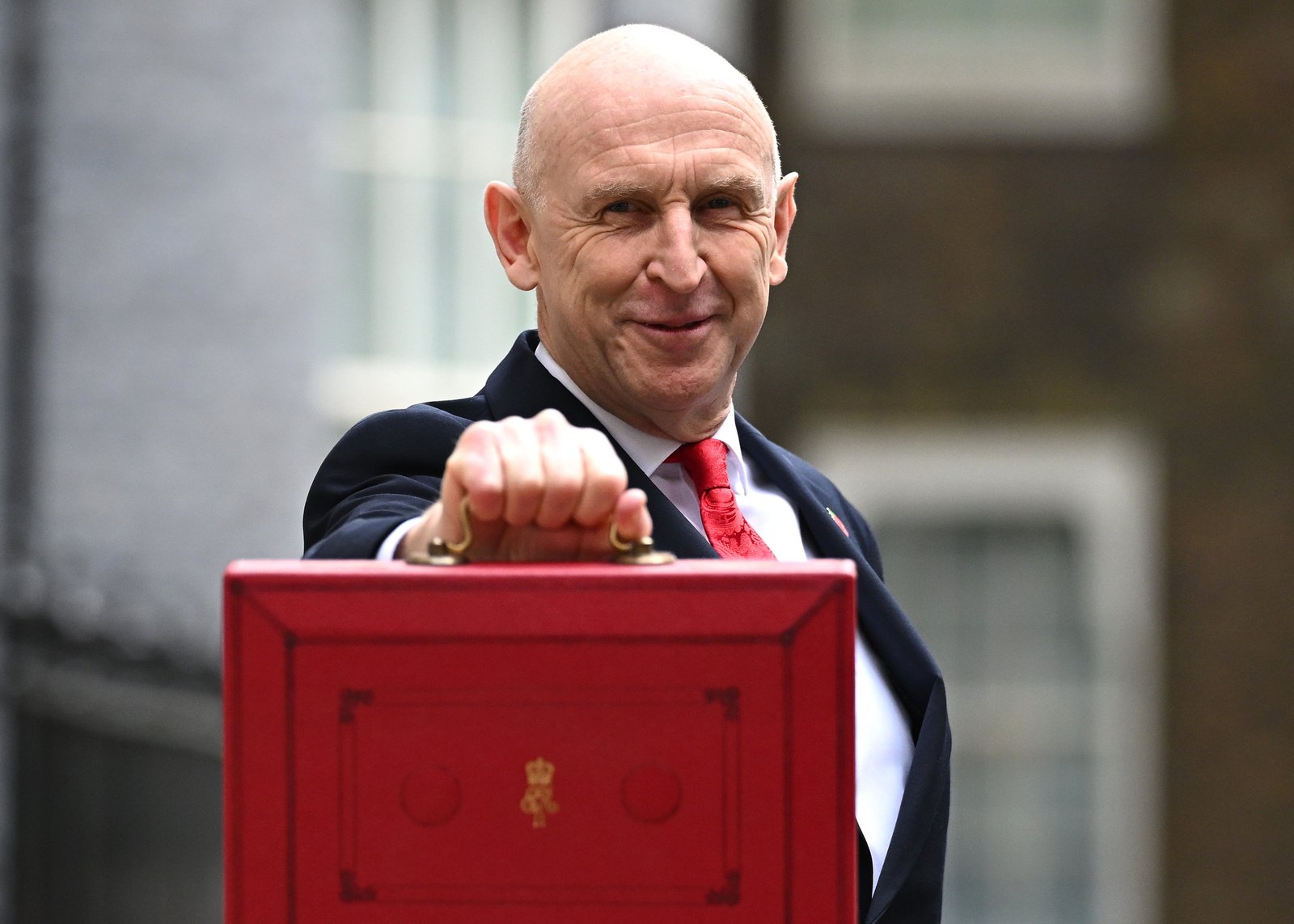









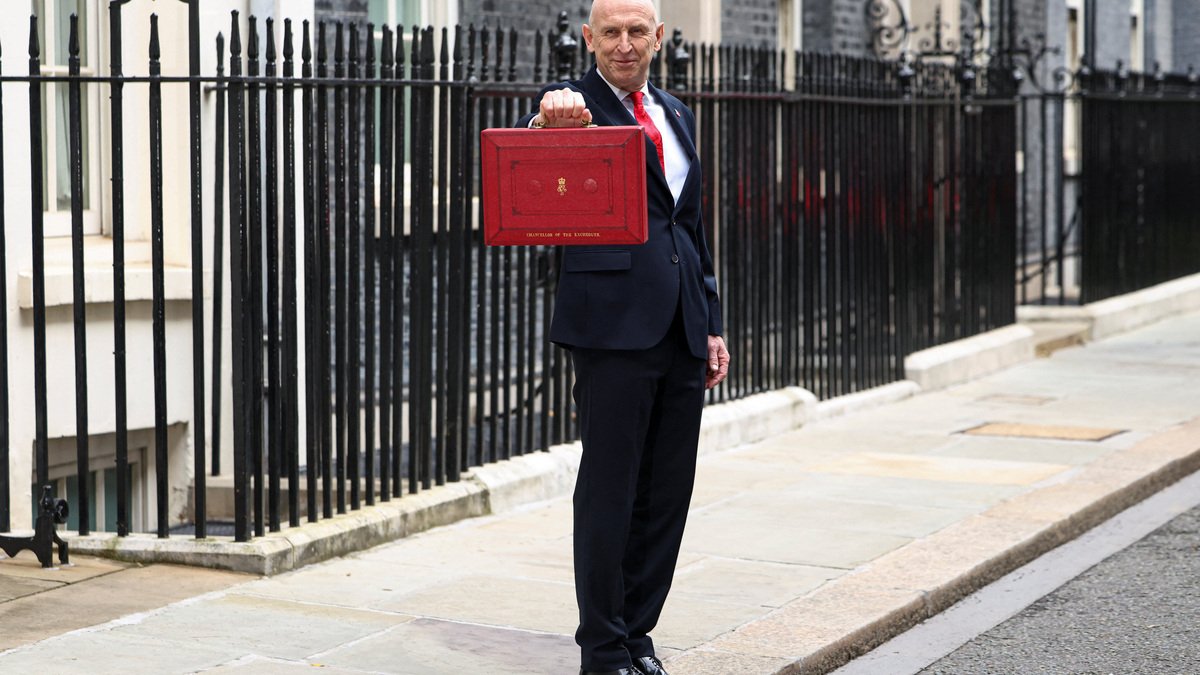
LONDON — In a high-stakes move to revitalize Britain’s local economy, Chancellor of the Exchequer John Healey unveiled a significant overhaul of business taxation during the inaugural budget address under Prime Minister Andy Burnham’s administration. On Wednesday, October 28, 2026, Healey announced a major expansion of the Small Business Rate Relief scheme, targeting the retail, hospitality, and leisure sectors as a cornerstone of the new government’s fiscal policy.
## Relieving the Burden on Local Commerce
Standing outside No. 11 Downing Street before his address to the House of Commons, Healey confirmed that the threshold for business rate relief will jump from £12,000 to £18,000. This “rateable value”—the metric used to estimate the annual rental worth of commercial real estate—serves as the benchmark for tax exemptions.
According to the Chancellor, this adjustment is expected to provide immediate relief to approximately 70,000 businesses, effectively removing them from the business rates tax bracket entirely. For those firms that remain within the taxable range, Healey pledged a freeze on rates in real terms, providing a sense of fiscal predictability for storefronts and service venues struggling to navigate rising operational costs. The move follows Prime Minister Burnham’s earlier commitment in July to further support the night-time economy by slashing business rates for pubs, clubs, and live music venues by 20% beginning in April 2027.
## The Digital Transformation of British Enterprise
While the budget focuses on traditional brick-and-mortar relief, industry analysts are noting the pressure on these sectors to integrate modern technology. As high-street retailers face mounting competition from e-commerce giants, the government is increasingly looking toward digital infrastructure to sustain economic growth.
The tech industry is watching closely to see how these tax incentives might align with future digital initiatives. Experts suggest that as small businesses benefit from tax relief, they may be better positioned to reinvest their savings into productivity-enhancing software and Google-backed tools. From AI-driven inventory management to local search optimization via Google Business Profiles, small retailers are being urged to leverage technology to maximize the impact of this new tax head-room.
“The physical retail landscape is shifting, and the tax policy reflects that reality,” said one industry consultant. “The goal is to allow these companies to allocate capital toward digital modernization, whether that’s adopting cloud-based point-of-sale systems or utilizing data analytics to better understand shifting consumer habits.”
## Tech Integration and Future Economic Stability
As the Burnham government looks to steer the UK through a period of economic transition, the synergy between fiscal policy and the technology sector remains a critical subplot. Beyond the immediate tax relief, there is growing speculation regarding how the government intends to foster innovation among the very small businesses it seeks to protect.
Industry reports indicate that the next phase of the administration’s strategy may involve public-private partnerships aimed at digital upskilling. By lowering the tax barrier, the government hopes to create a more resilient business ecosystem, one that is not only tethered to local geography but also capable of competing in an increasingly globalized, tech-centric marketplace.
For the thousands of hospitality and retail business owners across the UK, Wednesday’s announcement marks a vital piece of the puzzle in their long-term recovery plans. As the legislative changes take root, the success of the policy will likely be measured by the ability of these small firms to balance their newly eased tax burdens with the imperative to innovate and digitize their operations.
Disclaimer: This content is auto-generated for informational purposes only.
Source: Read Original News