








As the calendar creeps toward October 31, the food and beverage industry is undergoing a spooky transformation, driven by shifting consumer preferences and the clever integration of data-backed marketing strategies. While Halloween has traditionally been the domain of chocolate giants, this year’s landscape reveals a notable pivot, with non-chocolate confections and experiential dining experiences taking center stage.
## The Cocoa Crunch: A Shift in the Confectionery Landscape
Economic pressures are rewriting the rules of the candy aisle. With skyrocketing cocoa prices forcing manufacturers to rethink their pricing strategies, chocolate’s dominance is beginning to wane. Recent data from Circana highlights this transition: chocolate’s share of Halloween confectionery sales dipped to 51% in 2025, down from 55% the previous year. Conversely, non-chocolate candies have climbed to 49%, signaling that consumers are increasingly open to gummies, sours, and other alternatives.
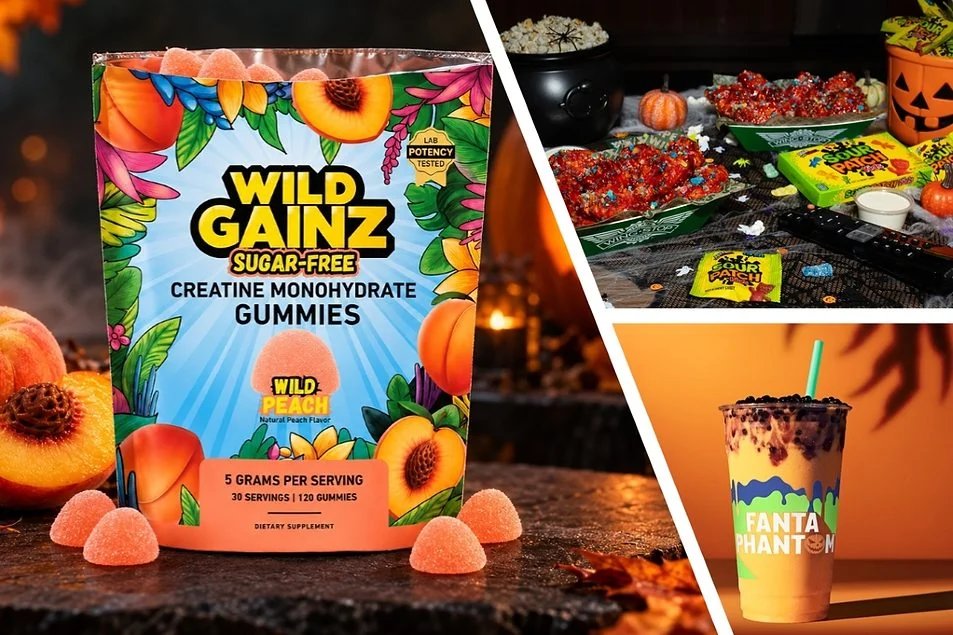
Manufacturers are responding to this trend by leaning into innovation. Companies like Wild Gainz are blending nostalgia with functionality, releasing wild peach creatine gummies that mirror the flavor profile of classic fuzzy peach candies while offering a sugar-free, performance-focused alternative for health-conscious consumers. According to Sally Lyons Wyatt, global executive vice president at Circana, the modern consumer is seeking more than just a sugar rush; they are looking for sensory experiences, unique textures, and interactive elements that make seasonal treats feel special.
## Digital Influence and the Rise of “Spooky” Dining
The impact of the season isn’t limited to retail shelves. The restaurant sector is seeing a massive uptick in engagement as chains leverage the holiday to drive transaction volume. Data indicates that the week leading up to Halloween consistently provides a 0.6% boost in foodservice transactions, a figure that surges significantly when delivery is involved. On Halloween night specifically, consumers are 23% more likely to utilize restaurant delivery services, turning the holiday into a “prime-time” event for pizza chains and fast-casual outlets.
This surge is supported by sophisticated digital delivery ecosystems. As AI-driven platforms and food-ordering apps optimize for peak demand times, operators are finding that thematic, limited-time offers are highly effective at capturing consumer attention. By leaning into spooky-themed promotions, restaurants are turning routine takeout orders into experiential events, successfully competing with the traditional candy-focused traditions of the holiday.
## Branding Beyond the Candy Bowl
Collaboration has become the cornerstone of modern Halloween marketing. Brands are moving away from solitary product launches in favor of high-profile partnerships that generate social media buzz. Wingstop, for instance, has teamed up with Mondelez International to launch “Wicked Punch” wings—a daring culinary experiment featuring a sweet-and-sour redberry glaze topped with actual Sour Patch Kids. The move is a strategic attempt to expand the presence of candy brands beyond the traditional treat bowl and into the main course.
Similarly, Tropical Smoothie Cafe has leaned into cross-industry synergy with its first-ever Halloween menu item: the “Fanta Phantom Smoothie.” By partnering with The Coca-Cola Co. to incorporate Fanta Orange syrup and purple popping boba, the chain is betting on “the unexpected” to lure in customers.
## Technology and the Future of Seasonal Trends
Behind these successful campaigns lies a heavy reliance on consumer insights and predictive analytics. Brands are increasingly utilizing data to determine not only what flavor profiles resonate with modern palates but also how to time their releases for maximum shelf-life impact. As technology continues to bridge the gap between digital discovery and physical consumption, the lines between retail food and foodservice continue to blur. Whether it is through an AI-optimized delivery algorithm or a viral social media collaboration, the goal remains the same: transforming the holiday into a high-stakes, highly profitable showcase of modern culinary creativity. As consumers continue to demand novelty, the industry’s ability to blend traditional holiday nostalgia with innovative, tech-enabled execution will dictate the winners of this year’s spooky season.
Disclaimer: This content is auto-generated for informational purposes only.
Source: Read Original News