







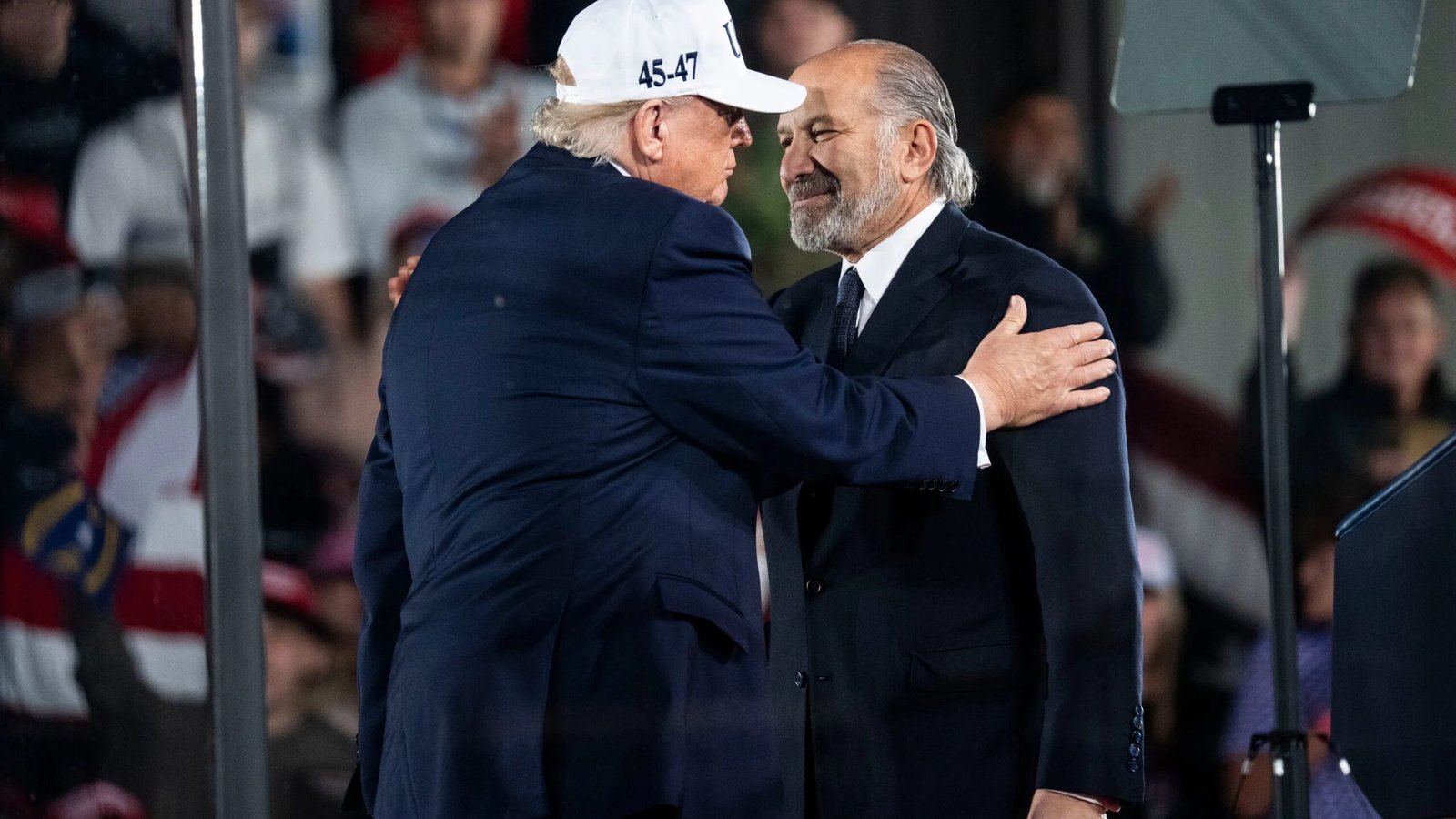
WASHINGTON — As the final sprint toward Election Day intensifies, a growing chorus of ethics watchdogs and legal experts is raising alarms over the increasing frequency of Trump administration officials participating in partisan campaign events. Critics argue that these high-profile appearances are blurring the lines between official government business and political advocacy, potentially violating the Hatch Act.
The Hatch Act, a 1939 federal law, prohibits executive branch employees from using their official authority or influence to interfere with or affect the outcome of an election. While the president and vice president are exempt from the law’s restrictions, most other executive appointees are strictly forbidden from engaging in political activity while on duty, in a federal building, or while using government resources.
In recent weeks, several senior administration officials have been spotted stumping for Republican candidates locked in tight congressional races. These appearances often feature officials using their official titles, traveling on government-funded transport, and discussing policy initiatives that mirror the campaign platforms of the candidates they are supporting.
“The sheer volume of these incidents suggests a systemic disregard for the separation between public service and partisan campaigning,” said Noah Bookbinder, president of Citizens for Responsibility and Ethics in Washington (CREW). “When high-ranking officials use the machinery of the federal government to bolster a candidate’s electoral prospects, it undermines the public’s trust in the neutrality of government agencies and directly contravenes the spirit of the Hatch Act.”
Government ethics experts point to a series of recent rallies and television interviews where officials have transitioned seamlessly from discussing government policy to directly soliciting votes for specific Republican nominees. While administration spokespeople have consistently defended these actions as permissible under existing legal guidance—often arguing that the officials are participating in their private capacity or that their remarks are incidental to their duties—critics maintain that the repetitive nature of these events creates an undeniable appearance of impropriety.
The Office of Special Counsel (OSC), the independent agency tasked with enforcing the Hatch Act, has historically faced difficulties in penalizing political appointees, as the ultimate authority to discipline such individuals rests with the president. In past administrations, this dynamic has often resulted in sternly worded warnings or internal reprimands rather than tangible consequences.
Republican leadership has largely dismissed the accusations as politically motivated “gotcha” tactics intended to distract from the substantive policy debates of the campaign. Supporters of the administration argue that officials are well within their rights to champion the party’s platform and that current ethics guidance allows for a level of flexibility that critics are intentionally misinterpreting.
As the legal debate continues, the controversy highlights a recurring tension in modern American politics: the extent to which a sitting administration can leverage its federal power to secure legislative majorities. With the midterms fast approaching, the pressure on the OSC to provide definitive clarity on these activities is mounting, though a resolution seems unlikely before voters head to the polls.
Disclaimer: This content is auto-generated for informational purposes only.
Source: Read Original News