









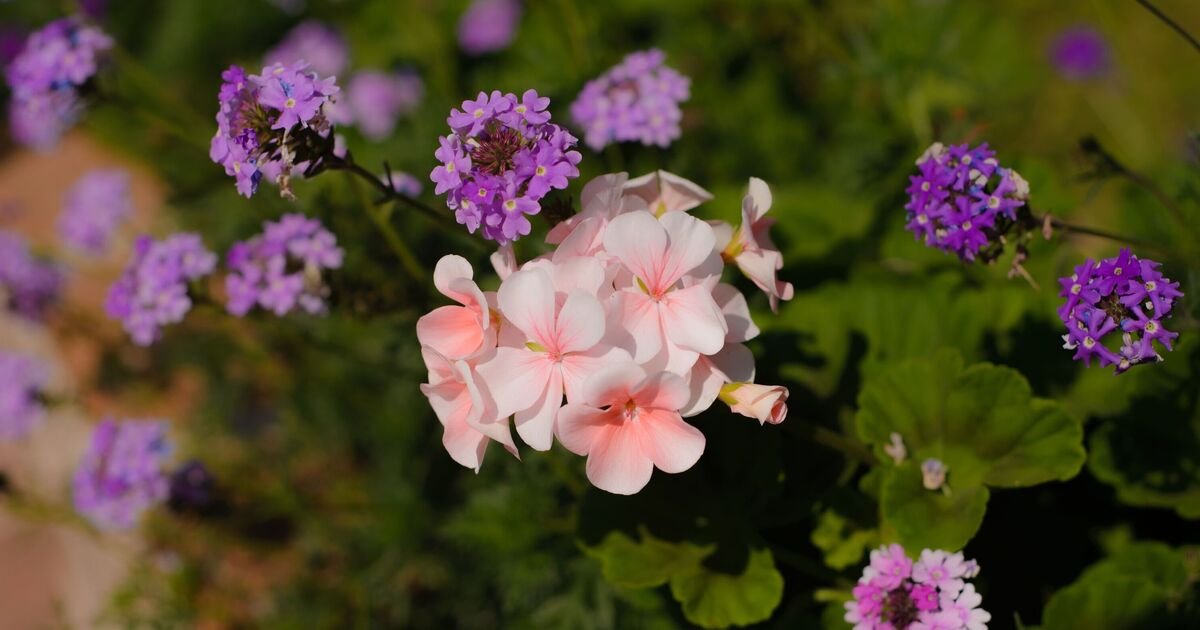
As the leaves turn brown and the air begins to carry that distinct, crisp bite of late autumn, our gardens often signal a change of pace. While we might be tempted to pack away the trowel and ignore the outdoors until spring, the changing seasons actually require a little proactive love for our green friends. If you have spent the last few months nurturing vibrant geraniums or fancy citrus trees, now is the time to act before the first frost makes a surprise appearance.
Keeping your garden favorites alive through the winter months is a rewarding task that feels a bit like tucking in your plants for a long nap. Here is how you can ensure your most delicate garden residents survive the cold and return with enthusiasm next year.
The Great Indoor Migration
The most important rule of thumb as we approach November is simple: if it is tender, it should probably be inside. Many of the plants we adore for their summer bloom—like the classic pelargonium or the elegant fuchsia—are not equipped to handle the biting chill of a winter frost.
Think of this transition as a spa treatment for your plants. Before you carry those heavy pots into the conservatory, greenhouse, or a bright garage spot, take a moment to groom them. Snip off any withered flowers and pluck away yellowing leaves. This not only keeps your indoor space tidy but also prevents mold or pests from hitching a ride inside on decaying foliage.
Managing Your Citrus and Tropical Guests
There is something undeniably cheerful about a lemon or lime tree sitting on a patio, but these Mediterranean beauties are notoriously sensitive to a sudden shift in climate. When temperatures dip, their leaves can drop, and the plant itself can become quite stressed.
The secret to success with citrus and tropical hibiscus is stability. They are not asking for a heated living room; rather, they prefer a cool, bright space where the temperature does not fluctuate wildly. A conservatory is perfect, but if you do not have one, a bright room near a window will work just fine. Keep a watchful eye on them—if they shed a few leaves after the move, do not panic. It is their way of adjusting to the new light levels. Just keep their environment consistent, ensure the pots have excellent drainage, and they will likely settle in quite happily.
Lifting Tuberous Beauties
Not every plant wants to stay in its pot for the winter. For those of you who love tuberous begonias, the best way to handle the cold is to lift them entirely. This might sound like a chore, but it is actually a great way to tidy up your beds for the winter season.
Once the foliage begins to fade, gently lift the tubers from the ground. Shake off the excess soil and let them dry out in a cool, dark place for a few days before tucking them into a box filled with dry compost or sand. Storing them in a frost-free, dry area ensures that they remain dormant and healthy until the soil warms up in late spring, at which point they will be ready to wake up and perform for you all over again.
Winter Wellness for Your Plants
Regardless of the variety, the key to successful winter storage is observation. Your plants are moving from a world of active growth to a period of rest. During this time, they require significantly less water. One of the most common mistakes gardeners make is overwatering during the dark, cold months, which can lead to soggy soil and rot.
Before you set them in their winter home, check the moisture levels. If the soil feels damp, hold off on the watering can. It is always safer to keep them on the drier side while they are resting. Keep the space well-ventilated if possible, and periodically inspect the stems for any signs of pests that might thrive in the quiet corners of your greenhouse. With just a little attention now, you are setting the stage for a lush, thriving garden come next year. By preparing today, you are essentially guaranteeing a brighter, greener spring.
Disclaimer: This content is auto-generated for informational purposes only.
Source: Read Original News