







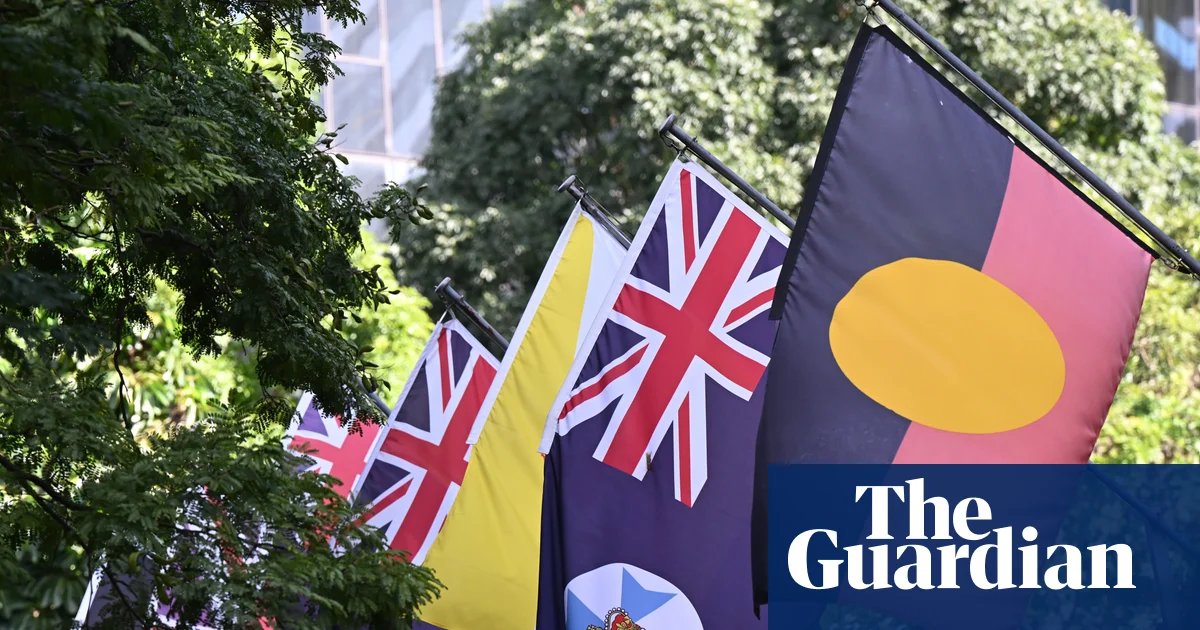
Cultural safety among First Nations staff within Queensland’s Indigenous affairs department has collapsed, with new data revealing a staggering 25 percentage-point drop in employees who feel secure in their workplace over the past year.
The findings, contained in a leaked internal survey tabled in parliament on Thursday, show that only 42% of Aboriginal public servants at the Department of Aboriginal and Torres Strait Islander Partnerships responded positively when asked if they felt culturally safe at work. Alarmingly, 32% of respondents answered with a definitive “no,” while 26% remained unsure.
The figures place the department significantly behind the rest of the state government, trailing the public sector average by 16 percentage points.
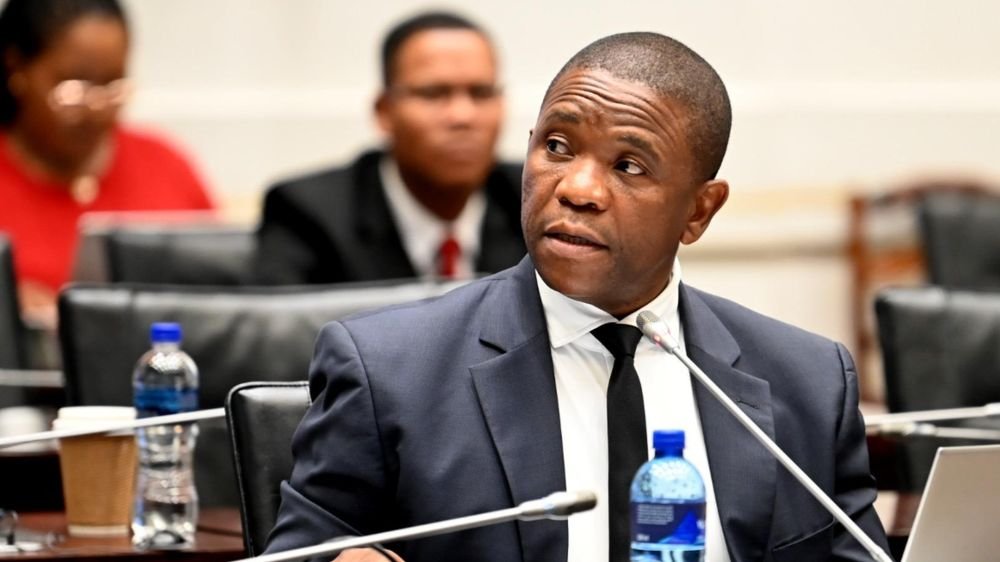
The revelation was one of two sensitive documents brought to light by the state’s Labor opposition, which accused the Liberal National Party (LNP) government of fostering a culture of secrecy and systematic exclusion. Shadow minister for Aboriginal and Torres Strait Islander Partnerships, Leeanne Enoch, slammed the results, describing them as evidence of a “deliberate, systematic approach to minimising and diminishing First Nations voices right across the board.”
“If you are the department responsible for Aboriginal and Torres Strait Islander partnerships, and people in that department do not feel culturally safe, then there is something very, very wrong,” Enoch said.
In response during question time, Minister Fiona Simpson defended the government’s performance, arguing that the administration had pivoted toward “practical approaches” aimed at restoring frontline services, contrasting this against what she termed the “symbolic” efforts of the previous Labor government.
The survey findings have intensified concerns regarding what critics have dubbed “project invisibility”—an alleged government strategy to systematically purge Indigenous representation and influence from the public service. This comes amid a series of controversial policy shifts, including the defunding of community programs like Murri Watch, the decision to contest all new native title claims, and the swift abolition of the state’s truth-telling and healing inquiry upon the LNP taking office.
Alongside the workforce survey, Labor also tabled documents suggesting the government is moving to silence external dissent. The documents indicate that residential care providers are being forced to sign stringent confidentiality agreements to secure government contracts. These agreements allegedly allow the state to demand the destruction of operational records and, according to shadow child safety minister Shannon Fentiman, effectively prohibit providers from taking legal action against the department.
“We know that this government is very afraid of people taking action against them and speaking out against them,” Fentiman said.
The heated parliamentary debate coincided with the government’s push to pass controversial “adult time, adult crime” youth justice legislation, which would mandate one-year sentences for children who breach bail. The bill is expected to pass Thursday evening with Labor’s support, despite widespread condemnation from advocacy groups.
Disclaimer: This content is auto-generated for informational purposes only.
Source: Read Original News