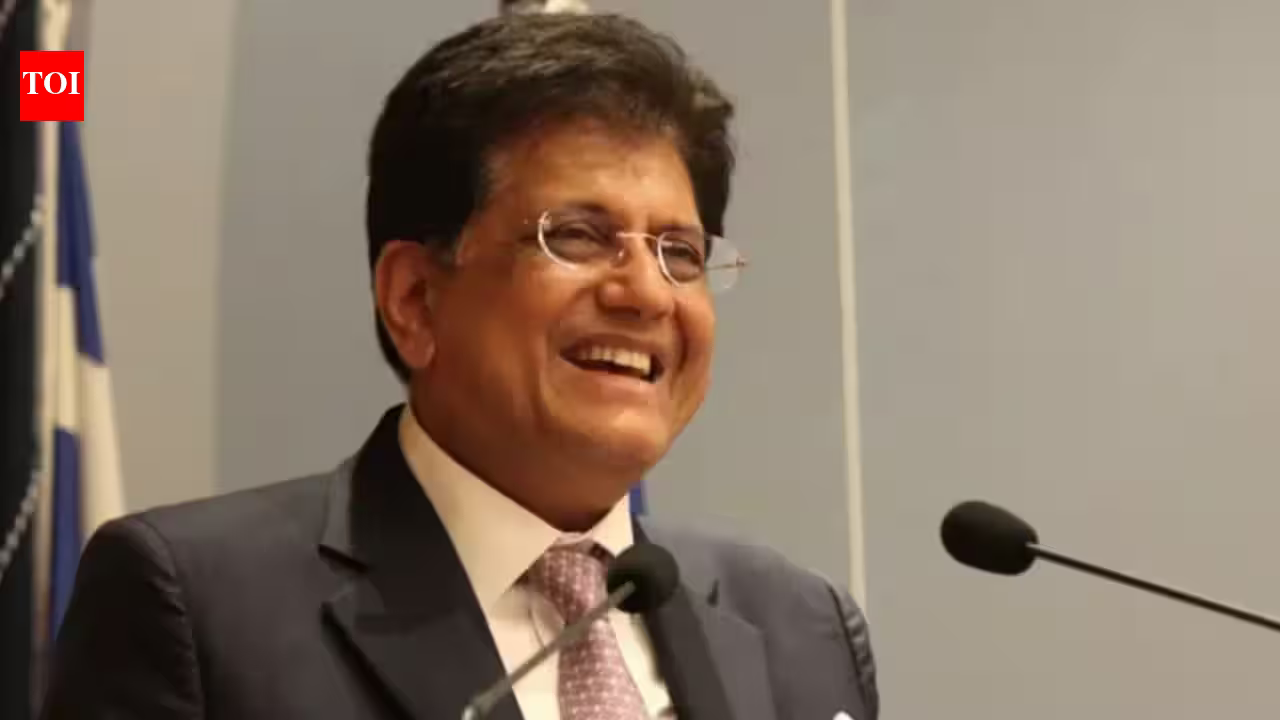










The Strategic Evolution of Trent: Governance and Succession
The transition of leadership at Trent Limited, the retail arm of the Tata Group, marks a significant juncture in the organization’s history. The appointment of Bahram Vakil, a distinguished legal professional and co-founder of AZB & Partners, as the successor to Noel Tata as chairman, serves as a focal point for analyzing corporate governance within one of India’s most prominent conglomerates. As Noel Tata prepares to transition into the role of chairman emeritus on November 12, the selection of his successor reflects both the specific trajectory of the retail entity and the broader evolution of the Tata Group’s internal dynamics.
Trent has long occupied a unique position within the Tata ecosystem. Founded by Simone Tata, the company successfully carved out a niche in the competitive Indian fashion and lifestyle retail sector. For decades, the entity operated with a degree of autonomy that distinguished it from the group’s more capital-intensive manufacturing or technology ventures. The leadership transition signals a shift toward a new phase of board composition, balancing institutional stability with external expertise. However, the appointment has drawn attention due to its procedural handling, specifically regarding the communication between the leadership of Trent and Tata Sons, the group’s principal investment holding company.
Navigating Corporate Governance and Internal Communication
The elevation of Bahram Vakil has brought the internal dynamics of the Tata Group under scrutiny. Reports indicate that the decision to appoint a new chairman was not communicated to N. Chandrasekaran, the chairman of Tata Sons, prior to the mandatory disclosure to stock exchanges. This lack of prior consultation is particularly noteworthy given that Tata Sons holds a significant 32% stake in Trent. In the context of large Indian conglomerates, the alignment between parent holding companies and individual business units is essential for maintaining a unified strategic vision.
Governance experts often emphasize that while professional boards possess the authority to appoint leadership, high-stakes decisions within an conglomerate usually necessitate proactive stakeholder management. The Tata Group has historically operated on a model where professional management and promoter family interests intersect through formalized reporting structures. The emergence of this communication gap underscores the potential friction points that can arise as individual companies within a conglomerate seek to preserve their operational independence while navigating the overarching strategic directives of the holding company.
The Role of Legal Expertise in Retail Leadership
The appointment of a career lawyer to lead a major retail corporation is a strategic choice that highlights the increasing complexity of the regulatory environment in India. As retail companies scale, they face mounting challenges related to land acquisition, commercial real estate leasing, complex taxation, and international trade laws. Bahram Vakil brings decades of experience in legal advisory, particularly in corporate law and infrastructure. His background suggests that Trent intends to prioritize structural rigor and risk management as it continues its aggressive expansion in the retail market.
By installing a legal expert at the helm, the board may be aiming to institutionalize its corporate governance frameworks further. This approach is increasingly common among firms undergoing rapid transformation or dealing with the integration of diverse business segments. Furthermore, Vakil’s association with Tata Investment, where he currently serves as vice-chairman, suggests that his oversight will likely extend beyond operational retail matters to the financial and investment strategies that support Trent’s long-term growth.
Market Insights and the Expansion of Trent
Trent’s success in the Indian retail landscape has been characterized by its ability to scale brands like Zudio and Westside, which cater to a diverse demographic within the domestic consumption economy. The company’s financial performance has been robust, as evidenced by the recent participation of Tata Sons in a 2,500-crore rights issue. This investment reinforces the confidence of the parent company in Trent’s business model despite the recent leadership transition.
The Indian retail sector is currently experiencing a transformative phase, driven by rising disposable incomes, urbanization, and the formalization of the retail market. Companies that can maintain agility while ensuring strong governance are best positioned to capture this growth. Trent’s decision to refresh its board, which includes the appointment of former Tata Motors executive Rajiv Dube and lawyer Kalpana Merchant, indicates an effort to blend industry expertise with robust regulatory oversight. This mix is critical as the company competes against global retailers and local conglomerates that are also vying for dominance in the Indian fashion space.
Legacy and Future Continuity
Noel Tata’s legacy at Trent is deeply tied to the vision established by his mother, Simone Tata. His transition to the role of chairman emeritus is consistent with the traditions of the Tata Group, which often honors long-serving leaders with honorary titles that allow for advisory input without executive interference. This continuity is expected to provide a buffer during the transition period, ensuring that the core values and institutional culture of Trent are maintained even as the chairmanship changes hands.
The inclusion of the honorary title of chairman emeritus for Noel Tata serves as a symbolic bridge between the past and the future. While the title carries no formal voting power, it provides a sense of continuity for stakeholders and employees who have associated Trent with the Tata family for nearly three decades. As Bahram Vakil takes on the chairmanship, his success will depend on his ability to foster a collaborative relationship with the board of Tata Sons while steering Trent through the increasingly competitive retail landscape of the subcontinent.
The reshaping of the Trent board is not merely a change in personnel; it is a recalibration of the company’s governance architecture. By appointing individuals with strong backgrounds in legal, operational, and financial sectors, Trent is preparing for a new phase of growth. Whether this new leadership structure succeeds in balancing autonomy with alignment will remain a subject of keen observation for market analysts and investors interested in the long-term health of the Tata Group’s retail portfolio. As the firm approaches the November 12 transition date, the focus will undoubtedly shift from the mechanics of the appointment to the execution of the company’s forward-looking retail strategy in a burgeoning market.
Disclaimer: This content is auto-generated for informational purposes only.
Source: Read Original News