









Strategic Prudence in India-US Trade Negotiations
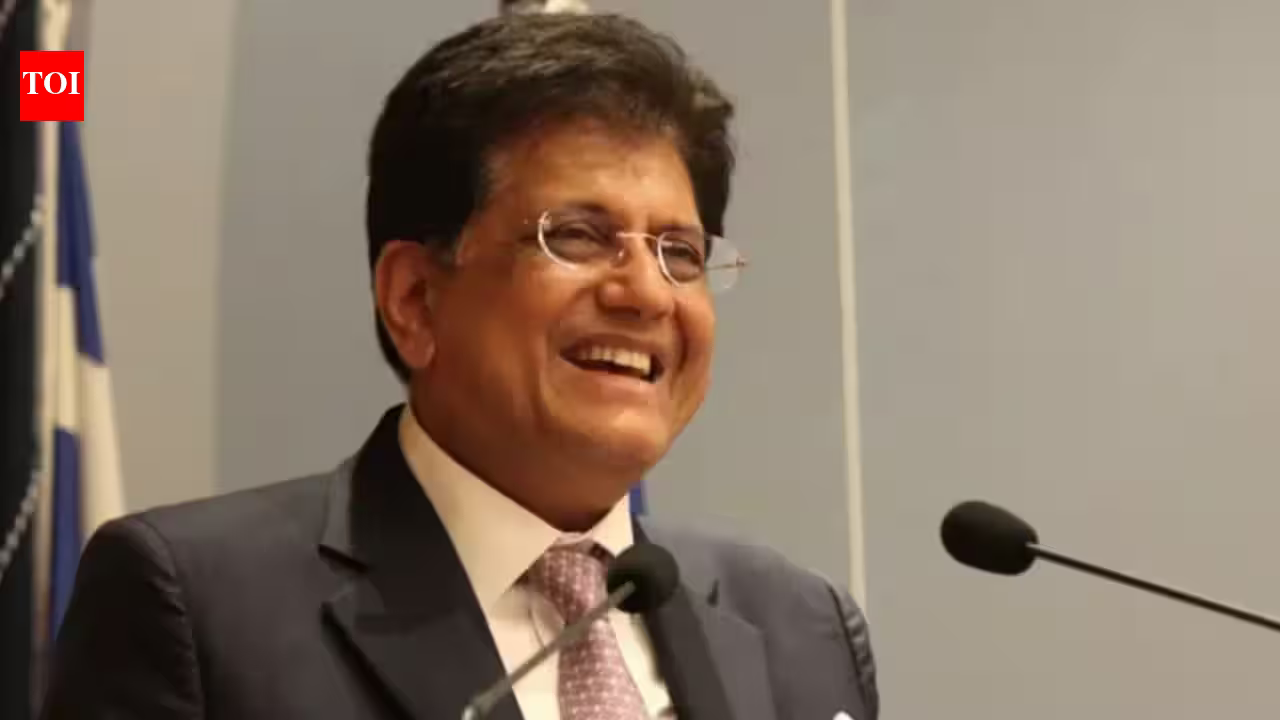
The current trajectory of India’s trade diplomacy is defined by a rigorous focus on balancing global integration with the preservation of domestic industrial and agricultural stability. Commerce and Industry Minister Piyush Goyal’s recent assertions regarding the upcoming trade negotiations with the United States underscore a fundamental shift in how India approaches bilateral partnerships. By emphasizing that sensitive sectors—most notably agriculture—will remain insulated from unfavorable market concessions, the government is signaling a departure from the “trade-at-any-cost” approach.
In the context of the Indian economy, trade agreements are no longer viewed merely as tools for market access, but as critical instruments for economic sovereignty. The assertion that India will maintain a “comparative advantage” indicates that the negotiation framework is built upon protecting the livelihoods of millions of smallholder farmers and small-scale manufacturers. For Indian stakeholders, this stance provides a necessary layer of reassurance, particularly as the country navigates an era of supply chain realignments and geopolitical restructuring. The refusal to compromise on sensitive interests suggests that the government is prioritizing long-term structural health over short-term diplomatic optics.
The Architecture of Protective Trade Policy
India’s recent track record in concluding free trade agreements (FTAs) demonstrates a methodical approach to international commerce. By referencing the eight FTAs finalized under the current administration, the Ministry of Commerce highlights a commitment to transparency and meticulous sector-specific analysis. The strategy involves a granular examination of tariff lines to ensure that domestic industries are not cannibalized by cheaper imports, particularly from nations with highly subsidized production environments.
This protective architecture is vital for the Indian business landscape. As global trade becomes increasingly volatile, Indian enterprises require a predictable policy environment. The government’s insistence on “courage of conviction” reflects a policy posture that prioritizes domestic manufacturing viability. By demanding reciprocal market access rather than unilateral concessions, India is moving away from the asymmetric trade relationships of the past. This disciplined negotiation style serves to fortify the “Make in India” initiative, ensuring that imported goods do not undermine the cost-competitiveness of indigenous manufacturing units.
Lessons from the Regional Comprehensive Economic Partnership
A pivotal moment in India’s modern trade history remains its decision to withdraw from the Regional Comprehensive Economic Partnership (RCEP). This move was largely driven by the potential for adverse impacts on the domestic manufacturing sector, specifically concerning the influx of Chinese goods. This episode remains a cornerstone of the current administration’s trade philosophy. It serves as an institutional memory of the risks associated with broad, multilateral trade blocs that do not account for the vast disparities in industrial maturity between member states.
The RCEP experience has refined how India approaches bilateral deals today. Policymakers have realized that while integration is necessary for growth, it must occur on terms that allow domestic firms time to upgrade their technology and operational efficiency. The current focus on the US trade deal reflects this lesson; by choosing to negotiate with high-standard partners, India is setting a benchmark for quality and regulatory alignment. This enables Indian firms to transition into high-value global supply chains without facing an immediate, unmanageable surge in competition from lower-cost production hubs.
The $1 Trillion Export Milestone and Global Uncertainty
Despite a landscape marked by sluggish global demand and geopolitical fragmentation, the government’s target of reaching $1 trillion in total exports remains a focal point of India’s growth strategy. Achieving this goal requires a dual-track approach: deepening existing trade relationships and diversifying into emerging markets. The current diplomatic focus on the US—India’s largest trading partner—is therefore not coincidental. It is a strategic effort to cement access to the world’s most significant consumer market while fostering collaborative technological and service-based exchanges.
For Indian exporters, the confidence expressed by the ministry acts as a catalyst for investment. When businesses perceive that the government is aggressively protecting their interests in international forums, it reduces the risk profile associated with scaling production. However, the path to the $1 trillion mark is fraught with challenges, including logistical bottlenecks and the rising cost of compliance in international markets. To sustain this trajectory, the alignment between trade policy and domestic industrial policy must remain seamless. The continued growth in exports suggests that, notwithstanding global headwinds, Indian products and services are gaining increasing recognition for their quality and reliability, supported by a favorable policy ecosystem.
Navigating Political Economy and Public Perception
The debate surrounding the US trade deal often descends into political rhetoric, sometimes obscuring the technical realities of international trade. Critics often raise concerns about market access, but these arguments frequently lack a detailed understanding of the reciprocal safeguards built into the negotiating process. The commerce ministry’s dismissal of these criticisms as a “lack of knowledge” highlights the complexity of trade jargon and the difficulty of communicating technical policy to the public.
In the Indian business context, successful trade policy depends on an informed stakeholder base. Industry associations, trade bodies, and regional manufacturing clusters need to engage more deeply with the specifics of ongoing negotiations to ensure their interests are represented. The transparency offered by the government regarding the eight previously signed agreements suggests that there is a pathway for constructive dialogue. By shifting the focus from speculative critique to evidence-based discussion, Indian businesses can better prepare for the opportunities that these bilateral agreements present. As the US deal takes final shape, the emphasis on protecting the rural agrarian base and the urban manufacturing workforce will remain the defining feature of India’s engagement with the global economy. This balanced approach ensures that while India leans into its role as a global economic powerhouse, it does not lose sight of the foundational sectors that sustain its domestic equilibrium.
Disclaimer: This content is auto-generated for informational purposes only.
Source: Read Original News