








India Faces Demographic Shift: One in Five Indians to be Senior Citizens by 2050
India is on the cusp of a significant demographic transformation that will fundamentally alter its social and economic landscape over the next three decades. According to recent projections from the United Nations Population Fund (UNFPA), the global population of individuals aged 60 and above is set to double to 2.1 billion by 2050. Mirroring this international trend, India is bracing for a “silver tsunami,” with estimates indicating that by 2050, roughly one in every five Indians will be a senior citizen, accounting for approximately 21% of the total population.
The Magnitude of the Shift
This projected rise in the elderly population represents a historic departure from India’s long-standing identity as a “young” nation. For decades, the country has leveraged its demographic dividend—a large working-age population—to fuel economic growth. However, as fertility rates decline and life expectancy improves due to better healthcare access, the age structure of the nation is inevitably tilting toward an older demographic.
The implications of this shift are multifaceted. While an aging population is a testament to the success of public health initiatives and increased longevity, it places an unprecedented burden on the country’s social welfare systems, healthcare infrastructure, and pension frameworks.
Healthcare and Social Infrastructure Challenges
As the proportion of elderly citizens grows, the demand for geriatric-specific healthcare is expected to skyrocket. Currently, India’s public health system is heavily focused on maternal, child, and infectious disease care. Transitioning toward a system that can manage chronic, age-related conditions such as cardiovascular disease, diabetes, dementia, and mobility issues will require a massive overhaul.
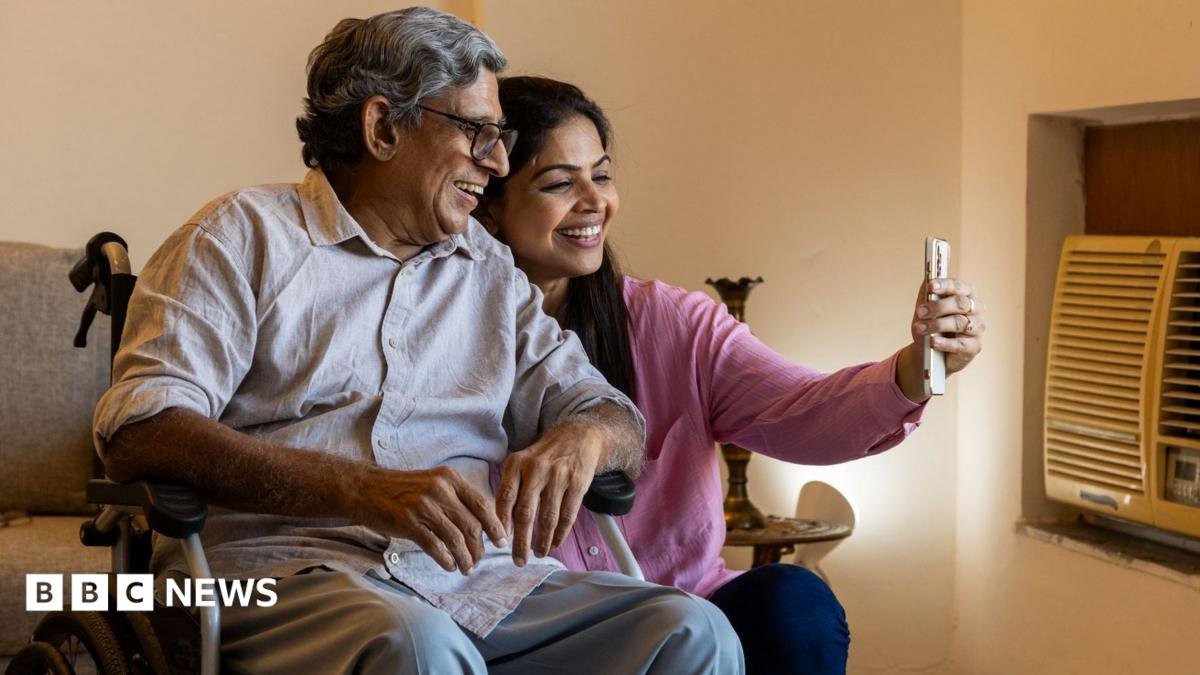
Beyond medical care, the traditional Indian support system—the multi-generational joint family—is also changing. With urbanization and the migration of the youth workforce, many elderly individuals are increasingly living in nuclear setups or alone. This social fragmentation necessitates the development of robust formal support systems, including assisted living facilities, affordable home-care services, and community-led support networks that can ensure the dignity and well-being of the elderly.
Economic Implications: Opportunities and Risks
From an economic perspective, an aging population presents a double-edged sword. A smaller workforce will have to support a larger dependent population, which may strain tax revenues and social security funds. However, experts suggest that this “silver economy” also presents potential for innovation. The growth in the elderly demographic will likely spur demand for new products and services tailored to senior needs, ranging from specialized insurance products and financial planning services to technology aimed at remote health monitoring.
Policymakers are now faced with the urgent task of integrating the elderly into the development agenda. This includes revisiting retirement ages, fostering lifelong learning opportunities for older citizens who wish to remain economically active, and creating age-inclusive urban infrastructure.
Preparing for a New Demographic Reality
The transition toward a society where 21% of the population is over 60 is not merely a statistical update; it is a policy imperative. The next two decades will be critical for India to establish the necessary safeguards. Integrating geriatric care into the national health policy, strengthening pension coverage for the unorganized sector, and fostering intergenerational harmony will be key to ensuring that the demographic transition does not compromise India’s progress.
As the country moves toward 2050, the focus must shift from simply managing the elderly population to empowering them. By proactively adapting its social and economic pillars, India can ensure that its future is not defined by the burdens of an aging population, but by the contributions and continued integration of its seniors.
Disclaimer: This content is auto-generated for informational purposes only.
Source: Read Original News