









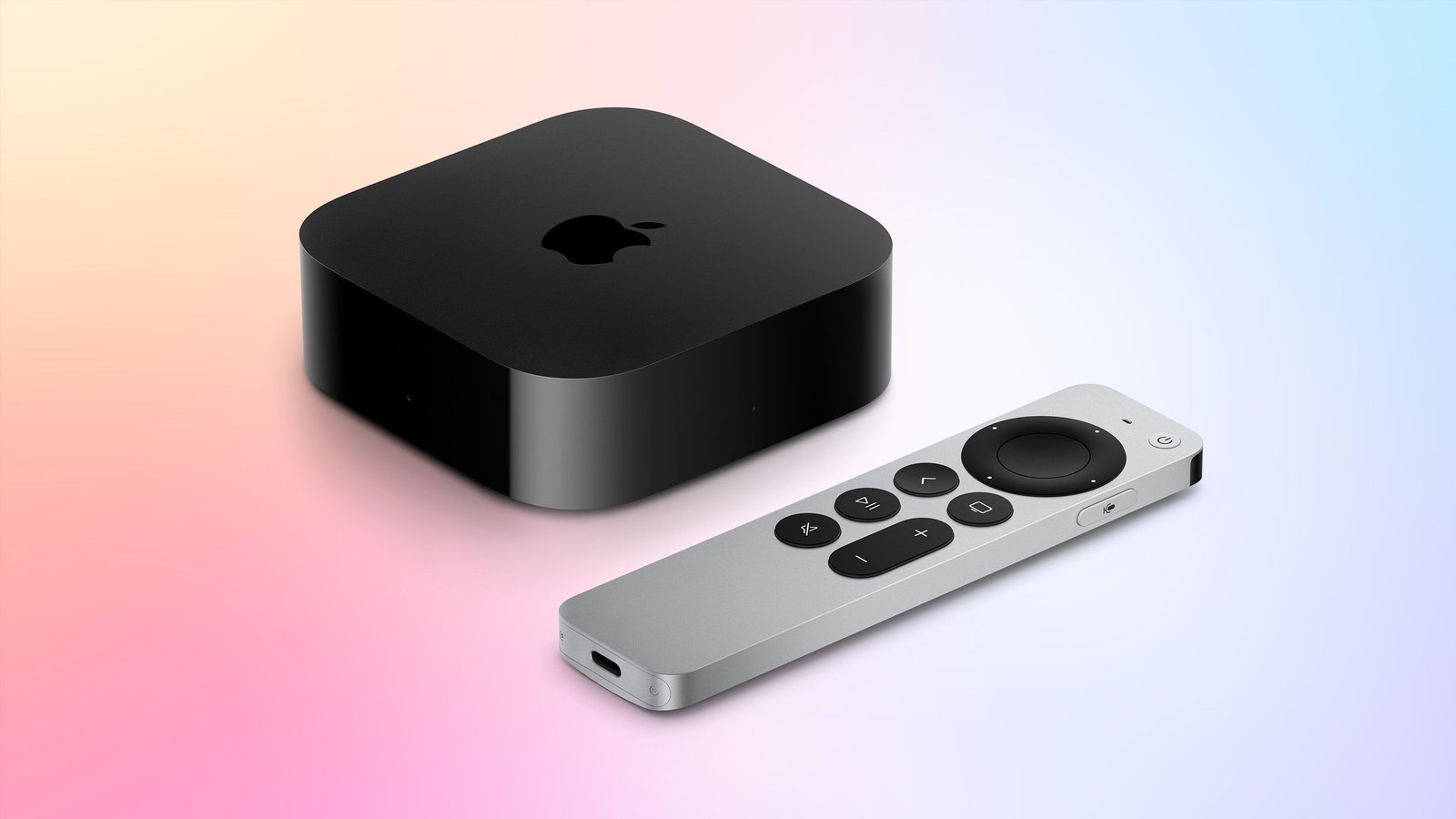
Xcode 27.2 Reveals Memory Specifications for Latest Apple Hardware
Apple has officially released Xcode 27.2, providing developers and hardware enthusiasts with an authoritative look at the technical specifications of the latest lineup of devices. While the company famously excludes specific memory capacity figures from its public marketing materials and technical specifications pages, the internal configuration files within the new version of Xcode have confirmed the RAM amounts for the fourth-generation Apple TV 4K, the latest iPad mini with an OLED display, and the highly anticipated iPhone Duo.
According to the data extracted from the development environment, the fourth-generation Apple TV 4K, powered by the A19 chip, features 8GB of RAM. Simultaneously, the newly launched iPad mini, which utilizes the high-performance A20 Pro chip, is equipped with 12GB of RAM. The documentation also confirms that the iPhone Duo arrives with 12GB of RAM. These findings provide clarity on the hardware foundations supporting the software ecosystem of these devices, offering a glimpse into the memory headroom available for future-proofing applications and system features.
The Role of RAM in Modern Performance
The transition to higher memory thresholds in these compact and mobile devices is not merely an incremental increase; it is a necessity driven by evolving software requirements. In the context of the iPad mini and the iPhone Duo, the inclusion of 12GB of RAM is primarily directed at supporting intensive computational demands. Modern mobile operating systems are increasingly reliant on on-device machine learning, advanced image processing, and complex background task management, all of which benefit significantly from increased memory allocation.
For the iPad mini, the move to 12GB of RAM is particularly noteworthy given its new OLED display technology. Higher-resolution interfaces, coupled with the need to handle multi-layered graphical applications and professional-grade editing software, require a stable memory environment to prevent system bottlenecks. Similarly, for the iPhone Duo, this memory capacity allows the hardware to manage its unique display orientation and multitasking demands with greater efficiency, ensuring that the user experience remains fluid even when running multiple resource-heavy applications simultaneously.
Apple TV 4K and the Shift Toward 8GB Standards
The leap to 8GB of RAM in the fourth-generation Apple TV 4K marks a significant hardware upgrade for a device traditionally used for media consumption. While previous iterations of the Apple TV functioned effectively with less memory, the integration of the A19 chip and the shift toward more complex, interactive smart home interfaces necessitate this boost.
As the Apple TV increasingly serves as a centralized hub for smart home management—often coordinating with other devices via proprietary communication protocols—the additional RAM ensures that the device can process high-bandwidth data streams without performance degradation. This is particularly relevant for users who utilize the Apple TV for high-fidelity gaming or real-time streaming of high-dynamic-range content. The increased overhead provides the system with the space to cache data more aggressively, resulting in faster load times and smoother navigation within tvOS.
Economic Impacts of Memory Chip Shortages
The release of these specifications coincides with a broader, more challenging economic landscape in the semiconductor industry. An industrywide shortage of memory chips has placed significant upward pressure on the production costs of consumer electronics. This scarcity of supply has forced manufacturers across the sector to navigate difficult pricing decisions to maintain hardware standards while mitigating the impact of elevated component costs.
Apple has not been immune to these pressures. The company has publicly noted that price increases across various product lines—including the latest iPhone, iPad, and Apple TV iterations—are a direct result of the rising costs of raw materials and specialized components like NAND flash and DRAM. By opting for higher RAM capacities, Apple is clearly prioritizing the longevity and performance capabilities of its devices, even as it navigates the thin margins caused by these supply chain constraints. Consumers are essentially witnessing a trade-off where the cost of premium hardware is reflected in both the higher purchase prices and the enhanced internal specifications of the products.
Implications for Future-Proofing and Development
For developers utilizing Xcode 27.2, these specifications provide a reliable framework for optimizing applications. Knowing the exact memory limits allows software engineers to push the boundaries of what is possible on these devices, particularly regarding background processing and high-performance gaming. As Apple continues to unify its hardware across its various device categories, the standardizing of memory amounts serves to simplify the optimization process for the developer community.
The decision to equip these devices with 8GB and 12GB of RAM respectively underscores a long-term commitment to hardware longevity. By providing significant memory overhead, Apple ensures that these devices will remain compatible with future OS updates and increasingly sophisticated app requirements for several years. While the market continues to grapple with the complexities of component availability, the technical trajectory remains clear: higher memory capacity is becoming the standard prerequisite for the next generation of mobile and home computing, ensuring that users can leverage the full potential of their devices as technology advances.
Disclaimer: This content is auto-generated for informational purposes only.
Source: Read Original News