







The air in the industry has been thick with anticipation, and for once, the reality might just be living up to the colossal hype. As the dust settles from the early world premiere of Nitesh Tiwari’s Ramayana: Rise of a Legend, a consensus is beginning to emerge. This isn’t just another mythological retelling; it is being spoken of in the same breath as Peter Jackson’s The Lord of the Rings—a staggering comparison that highlights the sheer scale and visual ambition of this two-part epic.
However, the heartbeat of the conversation isn’t just about the sweeping landscapes or the technical wizardry. It is centered on one man and his terrifying, multi-faceted transformation: Yash.
A New Kind of Villainy
For years, the depiction of Ravana has leaned on traditional tropes—the mustache-twirling villainy, the booming baritone, and the literal, often static, representation of his ten heads. But if the early murmurs from the premiere are anything to go by, Nitesh Tiwari has opted for a psychological deep-dive rather than a mere costume spectacle.
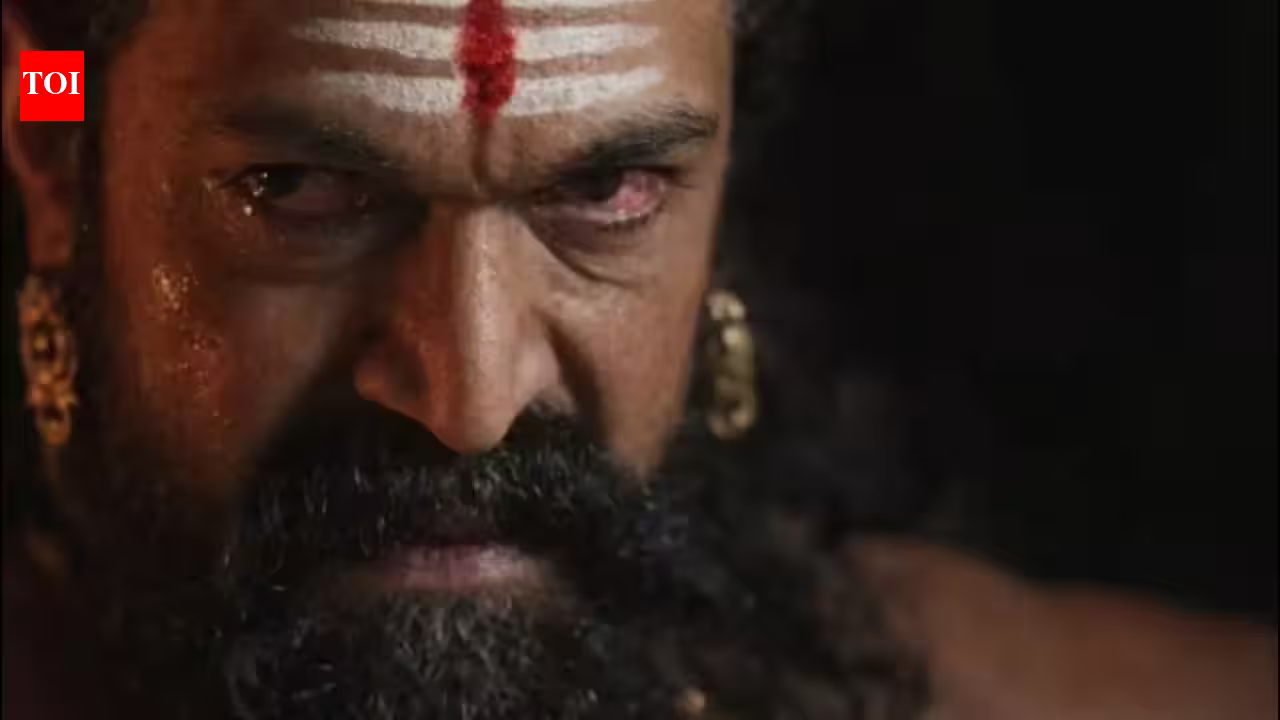
The standout revelation from the premiere is how the film handles the “ten-headed” iconography. One attendee, still clearly reeling from the screening, shared a fascinating glimpse into the internal conflict of the character. “Yash got a chance to really show some range because there was the ten-headed thing,” the viewer noted. “We were able to go inside of his brain and see different parts of him battling each other. He got to delve into these different characters, which was refreshing.”
In an industry where Yash is celebrated for his stoic, commanding screen presence—the kind that anchored the KGF franchise with brute force—this performance is being hailed as a pivot. He isn’t just playing a king; he is playing a fractured mind. By visualizing the ten heads as distinct, conflicting facets of a singular consciousness, Tiwari appears to have bypassed the campy potential of the source material in favor of a cerebral, high-stakes drama.
Decoding the Symbolism of Ten
Before the film’s curtain was lifted, Yash himself dropped breadcrumbs during his promotional tour in the United States. While he remained tight-lipped to preserve the cinematic experience, he hinted at a radical departure from conventional interpretations.
“It’s a very interesting interpretation that we have in the movie,” Yash told the press, clearly brimming with pride over the creative risks taken by the production team. “I don’t want to reveal it, but when you watch it, that is going to be one of the most exciting parts of the film—how we are showing that he had ten heads is something very interesting.”
Beyond the visual flair, Yash touched upon the philosophical underpinnings of the character. In his view, the ten heads are not merely a mythological quirk, but a manifestation of hyper-competence and multifaceted genius. “I think it is also about his capacity as an individual,” he explained. “He was the best at many things. He was really good at whatever he did, so that’s also a way to tell that he had ten heads.”
This is the key to the “fresh” take reviewers are buzzing about. By humanizing the legend—showing us a man whose internal brilliance and ambition are at war with one another—the film elevates Ravana from a mythological adversary to a tragic, complex protagonist in his own right.
The Star Power of a Modern Epic
The casting of Ramayana is nothing short of a cinematic gamble—one that seems to have paid off. Alongside Yash, we have Ranbir Kapoor stepping into the role of Lord Rama, with Sai Pallavi portraying Sita and Sunny Deol as the formidable Hanuman. It is a star-studded ensemble, yet the buzz suggests that the film doesn’t rely solely on the star power of its leads.
Nitesh Tiwari, a director known for his grounded approach to storytelling in films like Dangal and Chhichhore, seems to have brought that same narrative discipline to this epic. In an era where “spectacle” often comes at the cost of character development, the reports that Tiwari has managed to balance both are encouraging. The audience at the premiere didn’t just walk away talking about the CGI; they walked away talking about the “battle inside the brain,” a testament to the script’s ability to find the human heart within the legendary frame.
The Clock is Ticking
As we approach the November 5th release date, the pressure on Ramayana: Rise of a Legend will only mount. The film faces the unique challenge of retelling a story that is etched into the cultural DNA of millions. Any deviation—no matter how artistic or innovative—risks scrutiny. Yet, the initial response suggests that this iteration is poised to bridge the gap between traditional reverence and modern, global-standard filmmaking.
If Yash’s performance truly does mark a shift toward a more internal, psychological style of acting for the titan, it could set a new benchmark for how Indian cinema approaches its gods and demons. The world premiere has provided us with a tantalizing glimpse, but the real test begins in November. Until then, the chatter remains focused on one thing: a Ravana who isn’t just a monster, but a man of ten minds, tearing himself apart from the inside out.
For now, the verdict from the front lines is clear—if you thought you knew the story of the demon king, you might want to prepare for a completely different vision. The scale is massive, but the genius, it seems, is in the details.
Disclaimer: This content is auto-generated for informational purposes only.
Source: Read Original News