









Regional Adjustments in Global Marketing Campaigns
Global technology corporations often manage complex marketing operations that require careful coordination across international markets. Apple, known for its meticulous approach to product presentation and brand imagery, frequently adapts its digital assets to ensure regional relevance and sensitivity. A recent observation regarding the marketing imagery for the newly released iPad mini reveals a deliberate divergence between the company’s United States portal and its South Korean website.
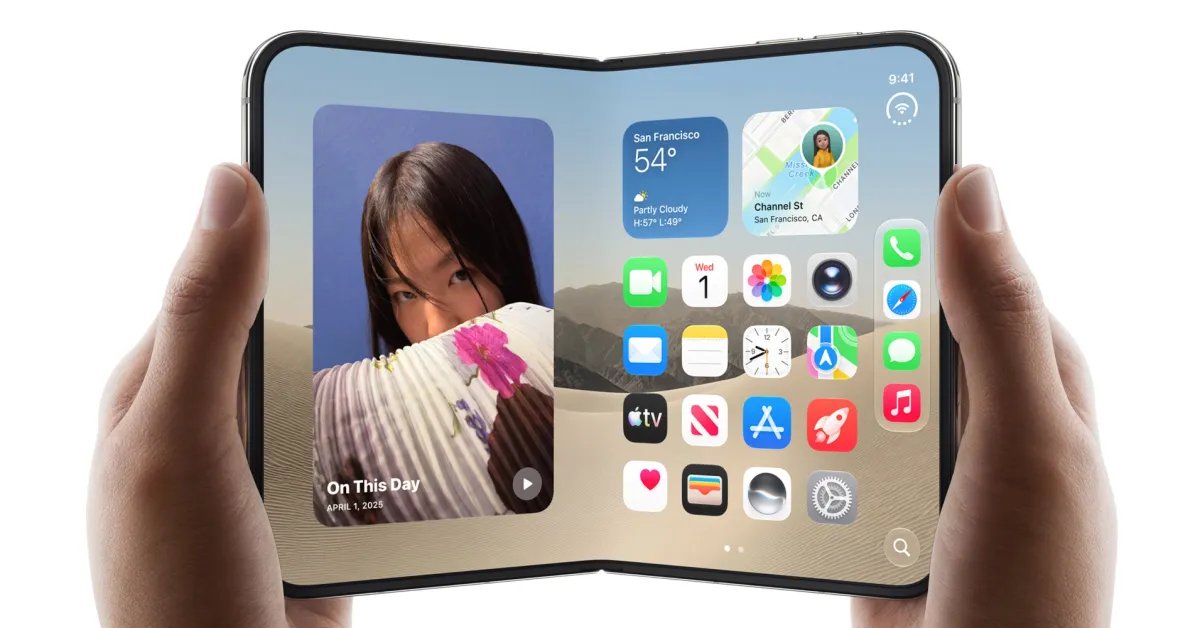
On the official Apple U.S. website, the iPad mini is showcased in promotional photography being held by a human hand, specifically utilizing a pinched-fingers gesture to emphasize the compact form factor and portability of the device. Conversely, the South Korean version of the same product page displays the hardware in isolation, without any accompanying human interaction or gesture-based imagery. This is not an isolated occurrence; a similar discrepancy was noted in 2025 regarding marketing materials for the iPhone Air, which also featured altered imagery for the South Korean audience.
Understanding the Cultural Context
The divergence in marketing strategies is primarily attributed to localized cultural interpretations of gestures. In South Korea, the specific pinched-fingers hand gesture—where the thumb and index finger are held close together—has become a sensitive topic. In certain social contexts, this gesture is interpreted as a symbol used to diminish or mock the stature of men. Given the cultural weight this symbol has acquired, brands operating within the region often exercise caution to avoid unintentional associations that could alienate a significant portion of their consumer base or provoke public criticism.
By electing to remove the gesture from its regional marketing materials, Apple avoids the potential for misinterpretation that could distract from the product launch. This demonstrates the necessity for multinational organizations to conduct thorough cultural vetting of their visual assets before deploying them in diverse markets. For a company that places significant value on its brand image and precise communication, such localization efforts are essential to maintain a neutral and professional presentation across different jurisdictions.
Technical Specifications of the New iPad Mini
Beyond the visual presentation, the latest iteration of the iPad mini introduces significant hardware advancements that solidify its position as a high-performance, compact computing device. Central to this update is the integration of the A20 Pro chip, a silicon advancement that provides substantial improvements in processing speed and graphical efficiency. This allows the device to handle intensive tasks, such as professional-grade image editing and high-fidelity mobile gaming, with greater fluidity than previous generations.
The display technology has also received a major upgrade, transitioning to an 8.5-inch OLED panel. OLED technology provides superior contrast ratios, deeper blacks, and enhanced power efficiency compared to traditional LED-backlit liquid crystal displays. Furthermore, the inclusion of a nano-texture display option offers users an increased level of visibility in various lighting conditions by minimizing glare. These upgrades, combined with the device’s enhanced portability, cater to professionals and enthusiasts who require a portable yet robust tool for creation and consumption.
Innovation in Design and Connectivity
Apple’s design philosophy for the new iPad mini extends beyond the display to encompass a complete reimagining of the device’s physical interface. A notable feature is the implementation of an Acoustic Display audio system. By leveraging screen vibration technology to produce sound, engineers have eliminated the need for traditional speaker grilles. This design choice contributes to a cleaner, more minimalist aesthetic while simultaneously improving the structural integrity of the chassis.
The device also addresses environmental and durability requirements with an IP67 rating, marking the first time the iPad mini has achieved this standard for water and dust resistance. Connectivity features have been bolstered by the inclusion of the N1 chip, which provides support for Wi-Fi 7 and Bluetooth 6. These standards offer lower latency and higher throughput, ensuring the device remains compatible with next-generation networking hardware and wireless peripherals. The integration of a landscape-oriented front camera further optimizes the hardware for modern communication needs, facilitating more natural framing during video conferencing.
Corporate Strategy and Future Localization
The decision to modify marketing imagery in South Korea serves as a case study for the complexities of global commerce. As technology manufacturers seek to scale their operations, the ability to harmonize technical innovation with local expectations becomes as critical as the hardware itself. While Apple has not issued an official statement regarding the specific editorial choices on its South Korean landing page, the consistency of these edits suggests a long-term commitment to risk mitigation in the region.
As hardware designs become more sophisticated and market reach continues to expand into diverse demographic sectors, the demand for nuanced brand management will only increase. Future product launches will likely continue to reflect these localized refinements, ensuring that the technology is defined by its performance and feature set rather than unintentional visual associations. By prioritizing accessibility and sensitivity, corporations can navigate the challenges of the global market while maintaining a cohesive, albeit tailored, international presence.
Disclaimer: This content is auto-generated for informational purposes only.
Source: Read Original News