









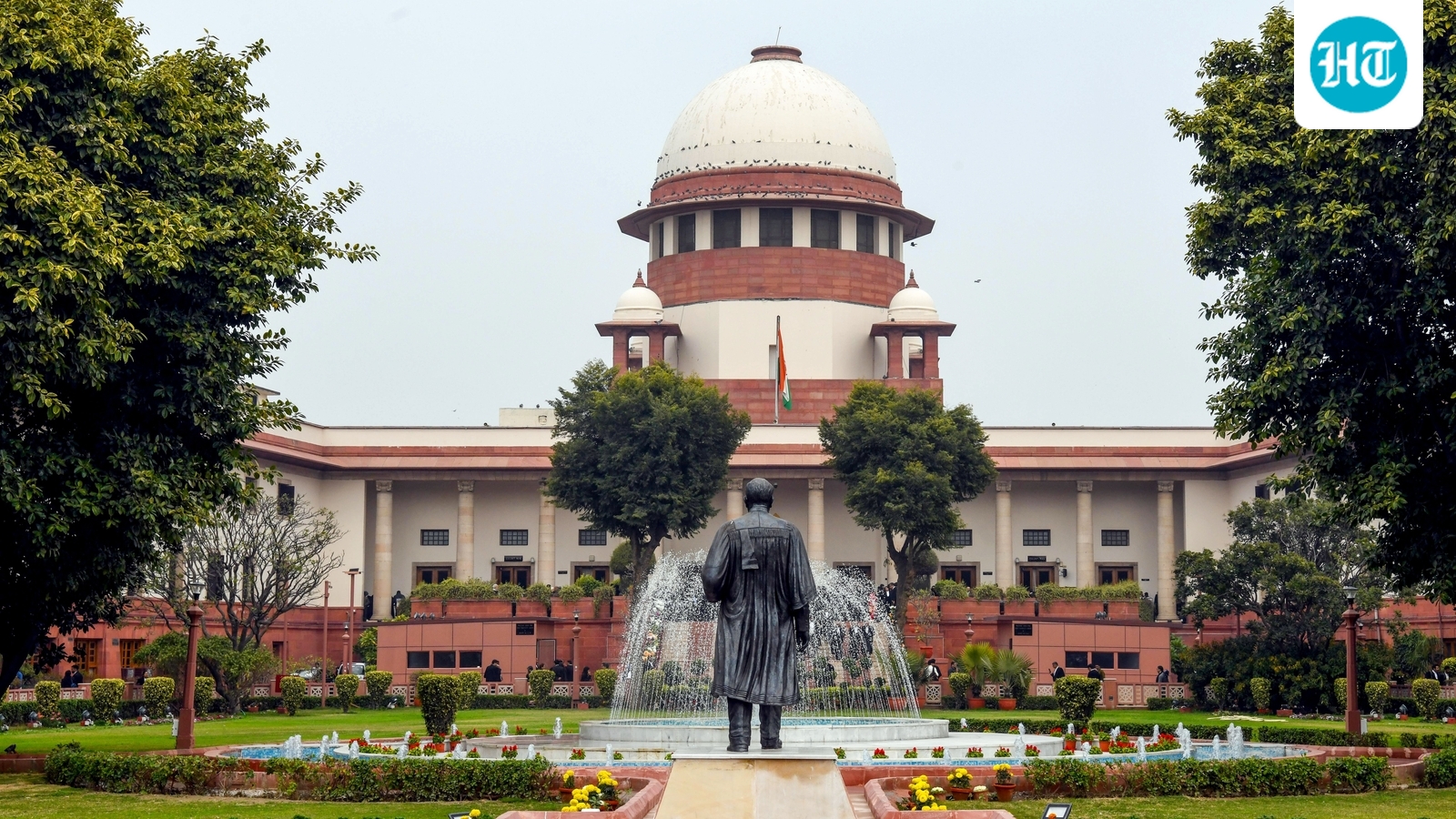
Supreme Court Demands Strict Bank Accountability to Curb ‘Digital Arrest’ Fraud
In a significant push against the rising tide of cybercrime, the Supreme Court of India has directed that any regulatory framework designed to combat “digital arrest” frauds must enforce strict liability on banks. A bench led by Chief Justice of India Surya Kant asserted that financial institutions should not only be mandated to compensate victims in cases of systemic failure but also face prosecution if their employees are found colluding with cybercriminals.
The court’s directive comes as the menace of digital arrest scams continues to claim thousands of victims. In these sophisticated operations, fraudsters pose as law enforcement or central agency officials, trapping victims in prolonged video calls and coercing them into transferring vast sums of money under the threat of fabricated legal action.
Fixing Accountability and Compensation
The bench, which also includes Justices Joymalya Bagchi and V. Mohana, emphasized that the Reserve Bank of India (RBI) must move beyond advisory guidelines to enforce real-world consequences. “Banks must be held accountable,” the court stated, noting that current compensation norms are inadequate, often capping payouts at nominal amounts regardless of the victim’s total loss.
The judges expressed frustration that while banks have robust legal mechanisms under the SARFAESI Act and the Insolvency and Bankruptcy Code (IBC) to recover their own losses, individual citizens are left with little recourse when their life savings are drained. The court insisted that the proposed regulatory measures must ensure that if a fraud occurs due to a bank’s operational negligence, the institution must indemnify the customer for the entire loss.
Preventive Banking Systems
The Supreme Court urged banks to implement proactive technical safeguards, such as triggering automatic alerts or transaction freezes for account activity that deviates significantly from a customer’s typical profile. Citing the vulnerability of senior citizens, the bench suggested that banks should verify suspicious, high-value transfers by contacting the account holder or alerting local law enforcement before finalizing the transaction.
Scope of the Menace
Data presented by the Indian Cybercrime Coordination Centre (I4C) and the Ministry of Home Affairs (MHA) highlights the scale of the crisis. In the first eight months of this year alone, 21,928 complaints were registered on the national portal, involving losses exceeding ₹647 crore. While government representatives noted a decline in reported cases compared to previous years, the court remained concerned about the ongoing impact on the public.
During the hearing, the court expressed disbelief at the success of these scams, questioning the public’s susceptibility to fear-based tactics. “You are in a democracy; you cannot be arrested over a mobile phone,” the bench remarked, stressing that awareness is as critical as technical enforcement.
The Role of Tech Platforms
The Supreme Court also engaged with messaging platform WhatsApp, represented by senior advocate Kapil Sibal, to explore potential interventions. Discussions included the feasibility of a “kill switch” to disrupt prolonged video calls used in these scams. However, the court acknowledged the need to balance such measures with the necessity of preserving legitimate business and professional communications.
As the Ministry of Home Affairs works on a comprehensive standard operating procedure and the RBI finalizes its new KYC guidelines, the Supreme Court has made it clear: the era of lax oversight for financial institutions is coming to an end. The court intends to review these finalized drafts closely, ensuring that strong, enforceable safeguards are integrated into the nation’s banking and digital infrastructure.
Disclaimer: This content is auto-generated for informational purposes only.
Source: Read Original News