









Global Tensions Surge: Hormuz Tanker Attack, Polish Political Crisis, and Ukraine Arms Boost
The international landscape faced a series of high-stakes developments today, ranging from a maritime security crisis involving Indian nationals to a significant escalation in European geopolitical tensions and a major shift in the ongoing conflict in Ukraine.
Indian Crew Survives Hazardous Strike in Hormuz
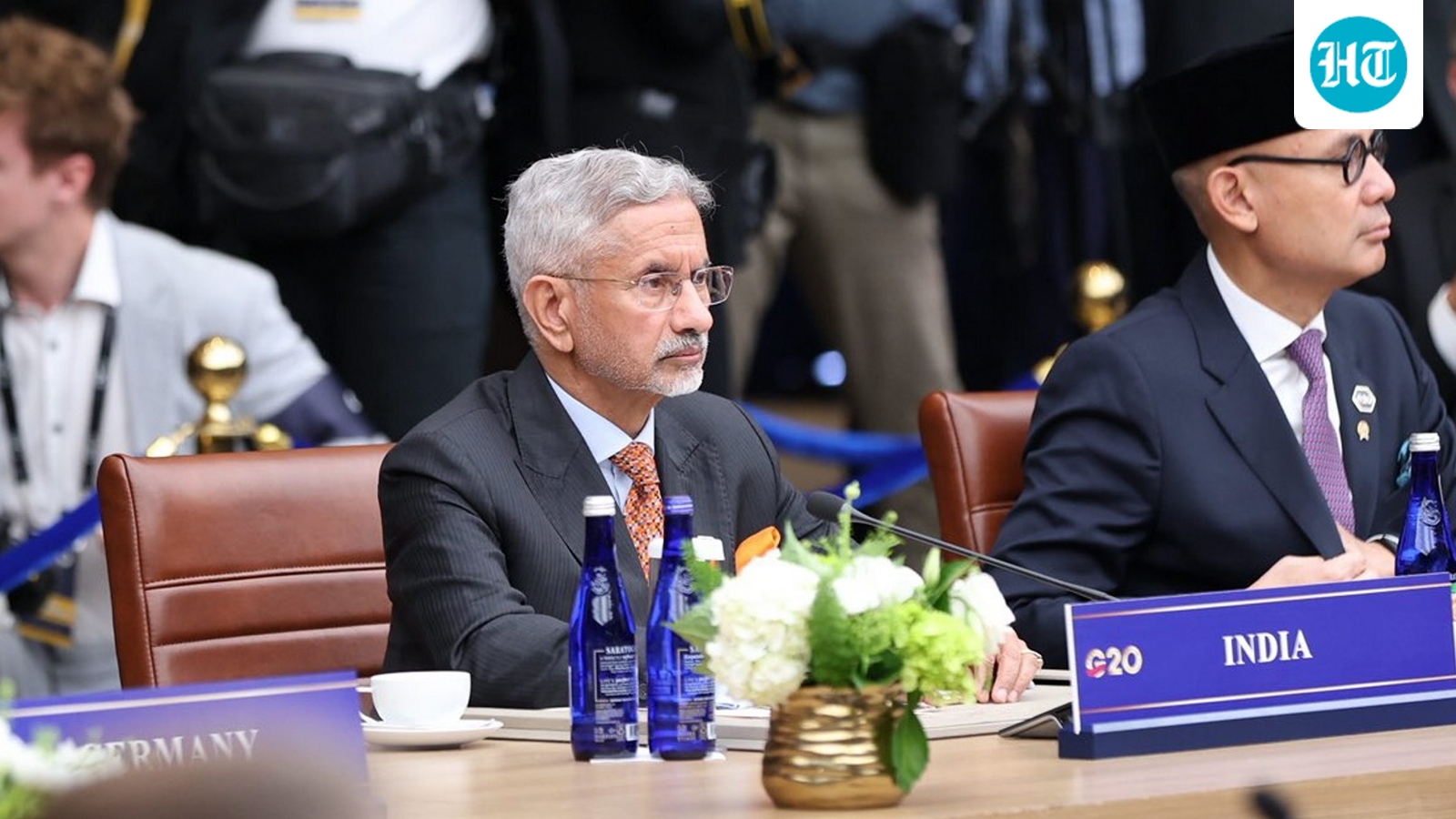
In a major relief for New Delhi, 27 Indian crew members have been reported safe following a targeted strike on their tanker in the Strait of Hormuz. The vessel, which was navigating one of the world’s most critical maritime corridors, came under attack earlier today, raising immediate alarms regarding regional trade security.
Indian authorities are currently coordinating with international maritime agencies to ensure the safe passage of the crew and the vessel. While the identity of the attackers remains under investigation, the incident has reignited concerns about the vulnerability of merchant shipping in the volatile Persian Gulf region. The Ministry of External Affairs is monitoring the situation closely, providing consular support to the affected sailors as they await extraction from the area.
Polish President Nawrocki Cancels Africa Tour Amidst Constitutional Crisis
In Eastern Europe, Polish President Karol Nawrocki has abruptly aborted his high-profile diplomatic mission to Africa, citing a deepening constitutional crisis back in Warsaw. The President was scheduled to engage in a series of bilateral trade and security talks, but the sudden escalation of a standoff between the executive branch and the country’s top judicial body necessitated his immediate return.
The rift centers on the appointment of judges and the interpretation of executive powers, a conflict that has paralyzed the upper echelons of the Polish government. Political analysts suggest that Nawrocki’s decision to abandon his foreign commitments underscores the severity of the domestic unrest, as the country grapples with a governance deadlock that threatens to undermine its standing within the European Union. His return is expected to trigger emergency deliberations aimed at curbing the judicial impasse before it leads to further institutional instability.
US Authorizes Massive Patriot Missile Transfer to Ukraine
Simultaneously, the geopolitical landscape in the East has shifted following a decisive move by the United States. Washington has officially authorized the transfer of 500 Patriot surface-to-air missiles to Ukraine, a move designed to bolster the nation’s defensive capabilities against an unrelenting barrage of aerial bombardments.
This massive procurement package represents one of the largest single shipments of advanced air defense munitions to Kyiv since the start of the conflict. Military strategists indicate that the infusion of these interceptors is intended to secure Ukraine’s critical infrastructure and energy grid as the winter months approach.
The Kremlin has responded to the announcement with stern warnings, labeling the move as a provocative escalation that deepens Western involvement in the theater of war. Despite these objections, US officials maintain that the deployment is strictly defensive, intended to protect civilian lives from ongoing missile and drone threats.
As these three distinct events unfold, the international community finds itself navigating a period of heightened unpredictability. From the protection of Indian seafarers in the Middle East to the internal governance challenges in Poland and the intensification of the air war in Ukraine, global leaders are being forced to adapt to a rapidly shifting, volatile reality. Diplomatic channels remain active as nations attempt to balance immediate security threats against the long-term risk of wider regional instability.
Disclaimer: This content is auto-generated for informational purposes only.
Source: Read Original News