







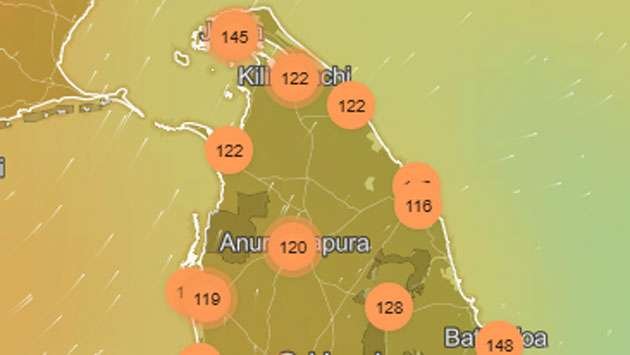
Residents in several urban centers are being urged to exercise caution as air quality levels have plummeted, reaching the “unhealthy for sensitive groups” category, according to the latest environmental monitoring reports. The sudden deterioration in air quality has raised significant concerns among health officials, who are advising vulnerable populations to limit their time outdoors.
Environmental authorities confirmed that the Air Quality Index (AQI) spiked early this morning due to a combination of stagnant atmospheric conditions and high levels of particulate matter. While the air quality in many areas is still considered manageable for healthy adults, the current levels pose a legitimate risk to specific demographics, including children, the elderly, individuals with chronic respiratory conditions like asthma or COPD, and those with underlying cardiovascular diseases.
“We are closely monitoring the situation as the particulate matter concentrations remain elevated,” said a spokesperson for the environmental agency. “While this is not a region-wide emergency, the classification of ‘unhealthy for sensitive groups’ is a clear signal that people with preexisting health vulnerabilities need to take proactive steps to protect themselves.”
Medical professionals are echoing these concerns, emphasizing that prolonged exposure to high levels of particulate matter can trigger inflammation, shortness of breath, and exacerbated heart conditions. Doctors are advising residents in the affected zones to keep windows and doors closed, utilize air purifiers where available, and reschedule strenuous outdoor physical activities for a time when the air quality index improves.
“If you fall into one of the sensitive groups, please do not ignore these warnings,” said Dr. Aruna Perera, a public health specialist. “If you must go outside, wearing a high-quality N95 mask can provide a significant layer of protection against fine particles. If you experience difficulty breathing, chest pain, or persistent coughing, seek medical attention immediately.”
The cause of this localized decline in air quality is being attributed to a mixture of industrial emissions and slow wind speeds, which have prevented pollutants from dispersing effectively. Authorities anticipate that the situation may persist for the next 24 to 48 hours, depending on changing weather patterns. Meteorologists are watching for a potential shift in wind direction that could help flush the pollutants out of the metropolitan region by late Thursday.
Public transport services and schools in the affected districts have been notified to monitor the situation and limit outdoor exposure for students during recess or athletic training sessions. The local government has pledged to provide continuous updates as new data becomes available. Residents are encouraged to check official environmental websites or mobile applications for real-time AQI tracking to make informed decisions about their daily activities until the advisory is lifted.
Disclaimer: This content is auto-generated for informational purposes only.
Source: Read Original News