


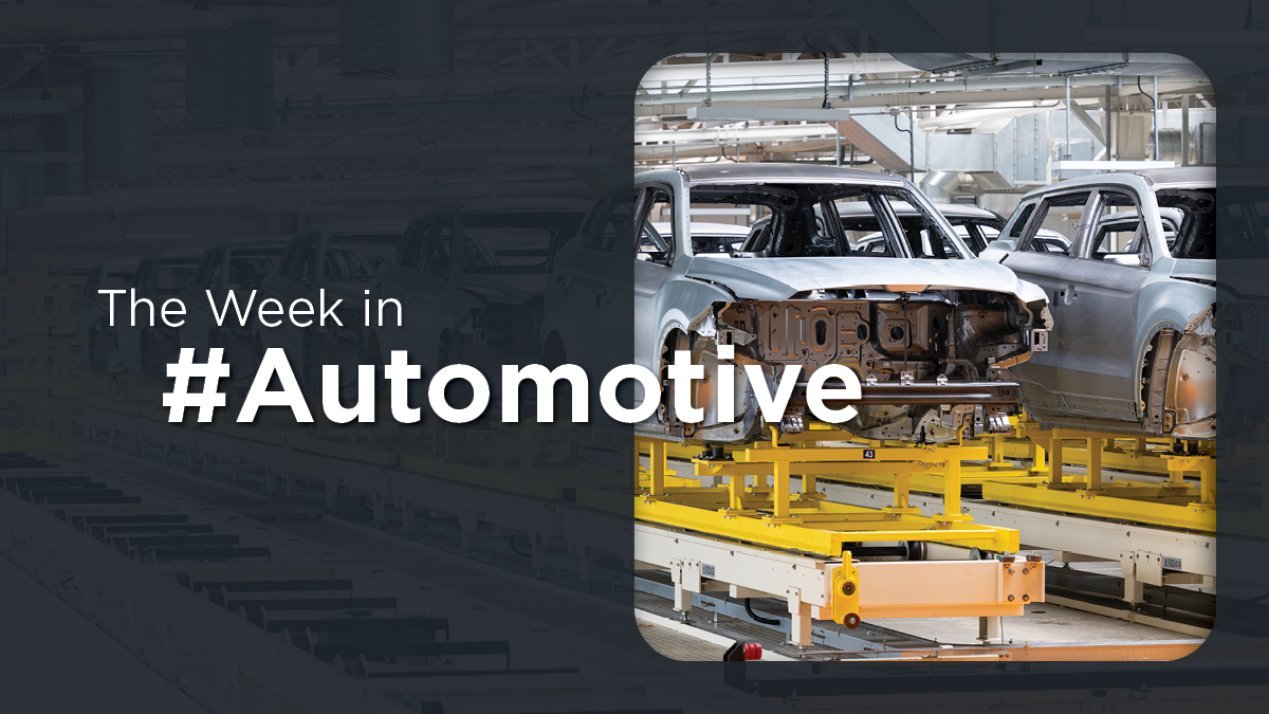
Mexico’s automotive sector is undergoing a profound transformation as manufacturers pivot toward artificial intelligence, automation, and electric mobility to remain competitive in the global market. From shifting labor dynamics to the integration of advanced software, the industry is recalibrating its operations to meet the demands of a modern, technology-driven landscape.
## AI and Advanced Automation Streamline Manufacturing
As nearshoring continues to drive industrial growth in Mexico, the industry is grappling with a severe shortage of skilled labor in specialized areas like quality assurance and nondestructive testing (NDT). To address this, manufacturers are increasingly turning to robotic NDT cells. These automated systems bypass the need for extensive manual training, providing consistent, high-speed inspections that maintain productivity levels that would be otherwise impossible due to the current workforce gap.
Beyond inspection, the push for operational efficiency is extending into the broader supply chain. Companies like BMW are leveraging cloud-based AI to modernize their logistics in San Luis Potosí, ensuring better visibility as they transition toward electric vehicle (EV) production. Similarly, firms such as SCHUNK are emphasizing the role of standardized clamping and gripping technologies to minimize downtime, proving that the future of Mexican manufacturing lies in precision and technological agility rather than sheer volume.
## The Electric Mobility Shift and New Infrastructure
The landscape for consumers and fleets is shifting in tandem with manufacturing. Chinese brands are making significant inroads into the Mexican market, accounting for a notable percentage of new light-vehicle sales. As the automotive fleet diversifies, there is an urgent industry-wide focus on “aftersales” support, with companies like Daimler Truck implementing predictive ecosystems to monitor vehicle health and minimize downtime.
Charging infrastructure is also expanding to match this trend. A major partnership between XPENG and Electronity aims to deploy over 100 EV charging stations across the country by 2027, a critical step toward overcoming range anxiety for Mexican consumers. Meanwhile, the federal government is moving forward with the “Olinia” project—an ambitious effort to spark a domestic electric vehicle industry through public-private investment, signaling a long-term commitment to electrification.
## Software-Defined Mobility and Tech Integration
Technology is no longer limited to the factory floor; it is increasingly becoming the engine of the vehicle itself. The expanded partnership between Mercedes-Benz and NVIDIA marks a milestone in the development of software-defined mobility. By integrating the MB.OS operating system with NVIDIA’s AI and accelerated computing, the companies are pushing the boundaries of autonomous driving, with the goal of deploying advanced robotaxi services and enhancing vehicle safety in complex urban environments.
In the realm of security, digital integration is becoming a priority for mobility platforms. DiDi, for instance, has invested heavily in an AI-powered security ecosystem that includes real-time connectivity with law enforcement in Mexico. This initiative demonstrates how AI can be utilized to improve safety protocols for both drivers and passengers, integrating high-tech risk detection directly into the daily transit experience.
## Navigating Economic and Labor Challenges
While innovation drives the sector forward, economic hurdles remain. Negotiations between Volkswagen Mexico and the SITIAVW union have resulted in an 8.24% wage package, highlighting the ongoing effort to balance employee welfare with industrial stability. However, the industry is also sounding alarms over potential tax reforms. The Mexican Association of Automotive Distributors (AMDA) has warned that proposed caps on deductible operating expenses could threaten the viability of over 1,000 dealerships and place nearly 70,000 jobs at risk.
As the country navigates these regulatory and labor complexities, the consensus among industry leaders is clear: Mexico must pivot toward higher-value manufacturing and greater innovation. By integrating AI into supply chains, expanding infrastructure, and addressing the skilled labor gap with robotics, Mexico is positioning itself to be not just a participant, but a leader in the next generation of global automotive technology.
Disclaimer: This content is auto-generated for informational purposes only.
Source: Read Original News