



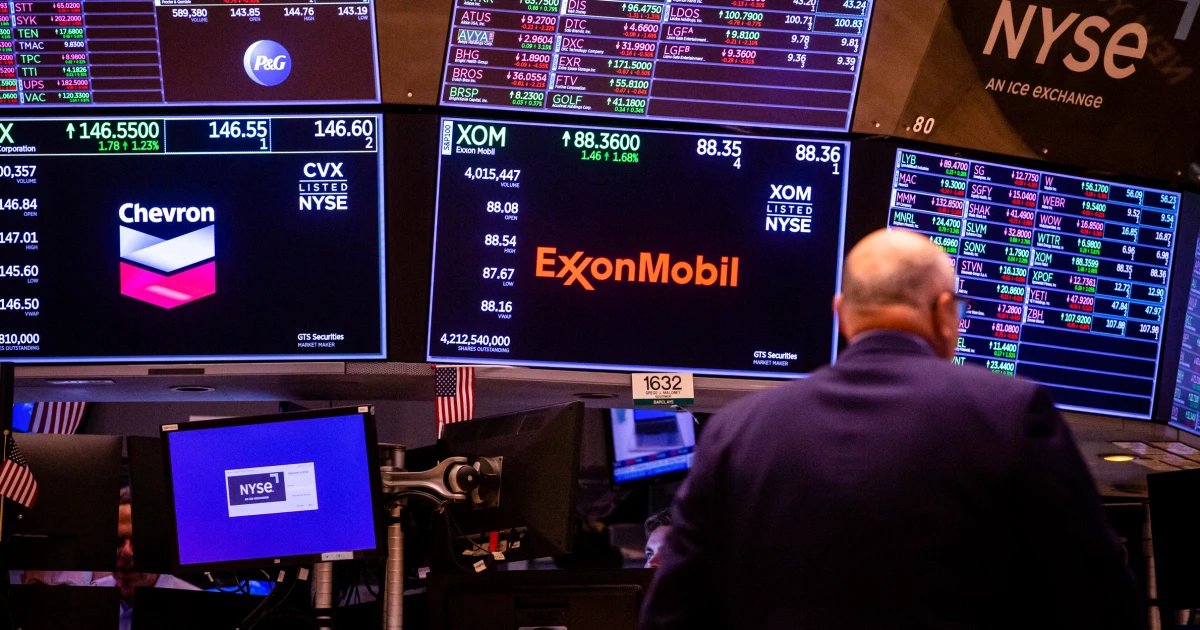
Oil giants ExxonMobil and Chevron reported massive, blowout quarterly profits on Friday, capitalizing on a sustained surge in global energy prices driven by the ongoing conflict between the United States and Iran. As Brent crude oil continues to trade near $118 per barrel—approaching highs not seen since the conflict’s onset in late February—the financial windfalls have left shareholders celebrating while consumers face persistent economic pressure at the pump.
ExxonMobil reported a profit that effectively doubled compared to the same period last year, while Chevron’s earnings saw a dramatic climb of over 180%. The sustained elevated price environment, combined with global refinery shortages, has sent energy stocks soaring; Exxon and Chevron shares have both posted gains of roughly 50% since the start of the year.
The Global Supply Crunch and Tech’s Role in Energy
The current market instability, exacerbated by the war in Ukraine and disruptions at the Strait of Hormuz, has forced global oil producers to pivot their strategies. ExxonMobil CEO Darren Woods noted that global refinery capacity has been significantly hampered, particularly after damage to Russia’s infrastructure, leading to a critical shortage of diesel fuel.
As the energy sector grapples with these logistical challenges, the industry is increasingly turning to advanced data analytics and Artificial Intelligence to optimize output. Major oil corporations are now utilizing sophisticated predictive models to manage refinery utilization rates, which are currently at record levels. AI-driven logistics platforms are essential for tracking the complex, circuitous shipping routes necessitated by the closing of key maritime chokepoints. By leveraging Google Cloud’s high-performance computing and machine learning capabilities, energy firms are attempting to squeeze maximum efficiency out of existing infrastructure to address the diesel shortfall, which Woods identified as a vital component for global economic health.
Political Friction and Economic Realities
The windfall for oil companies stands in stark contrast to the experience of the average consumer. Gasoline prices have soared by 40% since the start of the year, a figure that continues to weigh heavily on voters as midterm elections approach.
President Trump has maintained a complex position regarding these profits. While he campaigned in 2024 on promises to slash energy costs and bring gasoline prices below $2 a gallon, he has recently defended the record profits of the U.S. oil industry during campaign rallies. “We’re making a freaking fortune,” the president remarked at a recent event, highlighting the massive capital inflow currently entering the U.S. economy due to the energy crisis.
Despite the administration’s use of the Defense Production Act to provide $150 million for refinery logistics and efforts to tap into international diesel reserves, the measures have yet to yield significant relief for drivers.
Looking Ahead: The Diesel Crisis
The outlook for the coming months remains cautious. With New York-traded diesel futures jumping 130% year-to-date, experts warn that the supply chain constraints are far from resolved. As refineries continue to operate at maximum capacity, the reliance on high-tech diagnostic tools to monitor equipment health and supply-chain bottlenecks has become a top priority for the energy sector.
Industry leaders suggest that until global shipping lanes stabilize and additional refining capacity is brought online, high prices will likely remain the standard. For now, the “good times” for the oil industry are tied directly to the global instability that has fundamentally transformed the energy marketplace, forcing both corporations and policymakers to navigate a landscape defined by record-breaking profits and persistent consumer inflation.
Disclaimer: This content is auto-generated for informational purposes only.
Source: Read Original News