


Defensive Crisis: India’s Bowling Woes Exposed in Heavy Defeat to New Zealand
India’s recent outing in the fourth T20I against New Zealand at Eden Park has cast a spotlight on an alarming trend in the national side’s bowling department. As the Black Caps piled on a massive 259/7—the highest T20I total ever recorded against India—the visitors’ inability to stem the flow of runs became painfully apparent, ultimately leading to an 80-run defeat.
The All-Rounder Dilemma
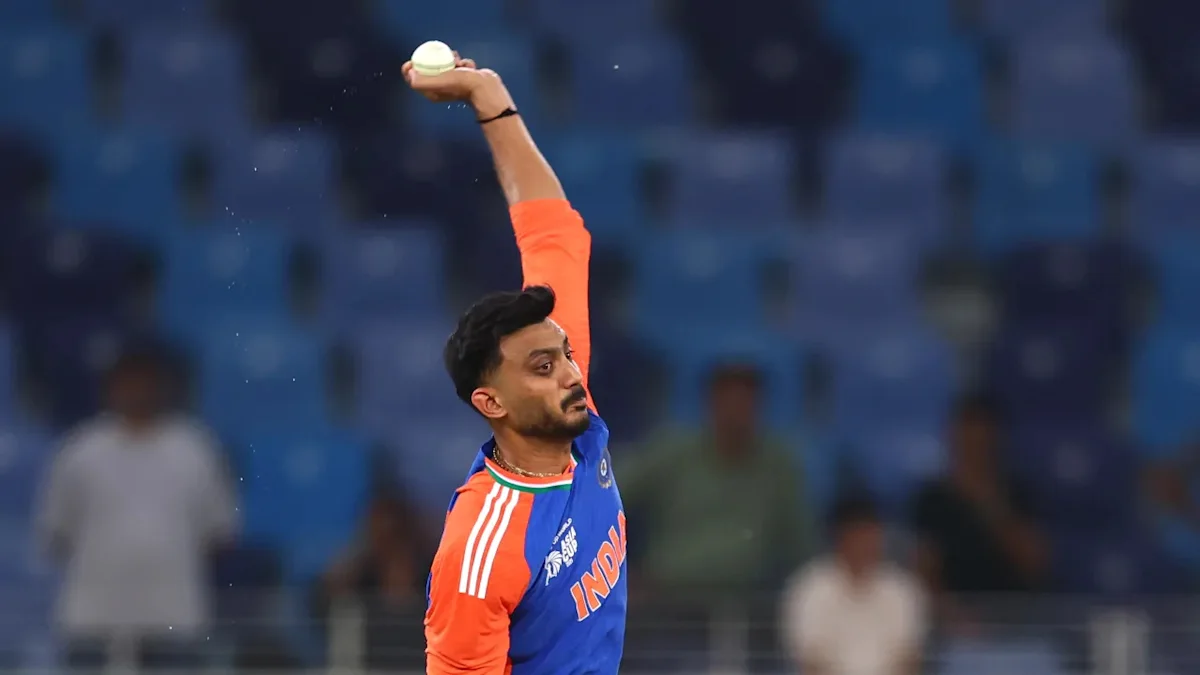
The match was defined by the struggles of India’s supporting cast. Nitish Kumar Reddy, Axar Patel, and Naman Dhir were tasked with covering eight overs, but the trio leaked 123 runs, effectively taking India out of the contest.
Reddy, who bore the brunt of the assault, conceded 64 runs in his four-over spell, including a nightmare 16th over where Glenn Phillips cleared the boundary four times consecutively. Axar Patel, usually a reliable figure in the middle overs, failed to provide control, leaking 43 runs in three overs, while Naman Dhir conceded 16 in his single over. These figures highlight the vulnerability of relying on batting-heavy all-rounders in high-pressure T20 environments.
Frontline Bowlers Under Pressure
It wasn’t just the secondary options who faltered. Even the specialists struggled to contain the New Zealand batters. Although Mayank Yadav managed to pick up three vital wickets, he remained expensive, ending his spell with 48 runs conceded. Prince Yadav also proved costly, going for 49 runs in four overs. Arshdeep Singh emerged as the most economical of the frontline attack, yet even he ended his spell having conceded 38 runs.
This collective failure is part of a larger pattern. Over the last eight matches, India has conceded 1,741 runs at an economy rate exceeding 11.00. This statistic poses a critical question for the team management: can India continue to prioritize batting depth at the expense of pure, defensive bowling capability?
Looking Ahead to 2028
As the team looks toward the 2028 T20 World Cup, which will be held in the pace-friendly conditions of Australia and New Zealand, these performances serve as a grim warning. Success in the upcoming marquee tournament will require bowlers who can adapt to bounce-friendly pitches and deliver under pressure.
Currently, the team is caught in a trade-off. They value the batting utility of players like Axar Patel, but this necessitates benching specialized spinners like Kuldeep Yadav or Varun Chakravarthy, who might offer more control with the ball. The current strategy appears to favor flexibility, but it has resulted in a disjointed bowling attack that lacks a reliable sixth option.
To compete at the highest level, the team must urgently identify a stable five-bowler combination that can hold its own on the world stage. Relying on part-time contributions has proven to be a high-risk gamble that, as seen in Auckland, is failing to pay off when it matters most. Moving forward, India needs to find a balance that stops the bleeding and provides the captain with more reliable defensive weapons.
Disclaimer: This content is auto-generated for informational purposes only.
Source: Read Original News