







WASHINGTON – In a significant shift for Pacific security, the U.S. Indo-Pacific Command (PACOM) has announced that 2026 marks the inaugural year in which U.S. forces and their regional partners have successfully transitioned to a fully integrated, multilateral operational environment.
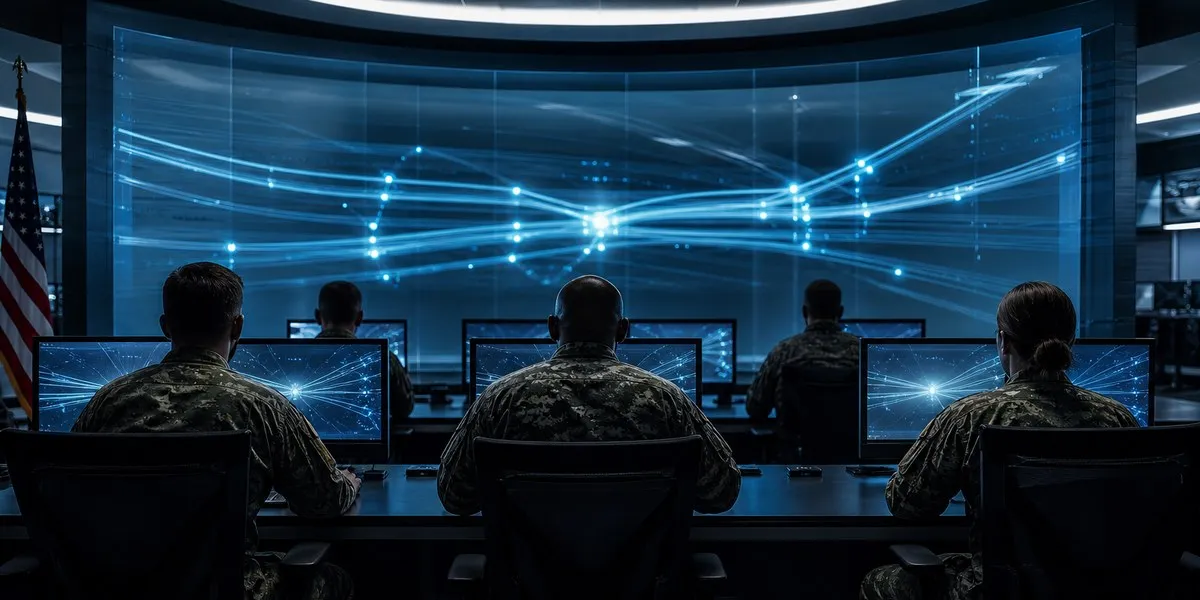
The milestone was confirmed by PACOM leadership at the TechNet Indo-Pacific conference, where officials unveiled the full capabilities of the PACOM Mission Network. This advanced digital infrastructure allows the United States and its allies to securely share high-stakes data and synchronized operational planning tools across various classification levels, effectively ending the era of siloed, bilateral communication.
Brigadier General Michael Smith, PACOM’s director for command, control, communications, computers, and cyber, emphasized the gravity of this technological leap. “We have moved from a series of disparate bilateral systems to a multilateral, data-centric environment that utilizes a zero-trust security approach,” Smith stated. By operating within a “common operational picture,” partner nations are now able to utilize combat applications and strategic tools in real-time alongside U.S. forces.
The efficacy of the network was put to the test during an intensive series of drills over the past year. According to PACOM Deputy Commander Lieutenant General George Rowell, the command executed 17 major exercises across nine host nations, drawing in participation from 35 different countries. These exercises served as the proving ground for the system, demonstrating that allies could coordinate, plan, and execute complex missions using shared data flows and automated language translation for the first time.
“Reliable command and control of forces is the foundation of our ability to deter potential adversaries,” Rowell noted, highlighting that the network is specifically designed to remain resilient even if core infrastructure is suppressed or disabled by hostile actors.
A standout development within this new framework is the integration of the Maven Smart System, an artificial intelligence-driven platform designed for rapid target selection and mission planning. During recent exercises, Japan became the first partner nation to utilize the Maven system within the multilateral network. This implementation enables Japanese forces to integrate seamlessly into joint strike operations and accelerate target engagement cycles, marking a high-water mark for interoperability between the two nations.
Military analysts view this shift as a critical deterrent in the Indo-Pacific theater. By fostering a “common operational picture,” PACOM is reducing the friction that historically slowed joint operations, ensuring that the U.S. and its partners can respond as a unified force to emerging threats. As the network matures, it is expected to become the backbone of regional defense, replacing the patchwork of legacy systems that previously hampered multinational synchronization.
Disclaimer: This content is auto-generated for informational purposes only.
Source: Read Original News