







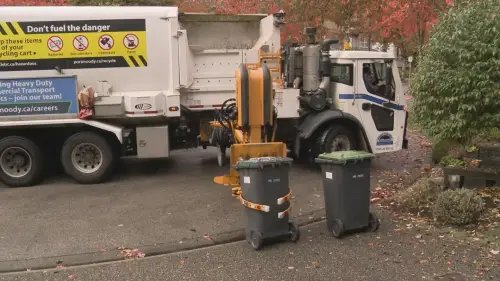
Metro Vancouver businesses are sounding the alarm over a looming spike in waste disposal fees, a move that local entrepreneurs argue could stifle growth and deepen the region’s economic strain. The increase, approved by Metro Vancouver, is set to hit commercial operations at a time when they are already grappling with persistent inflation and high interest rates.
Business advocacy groups are warning that the added costs will inevitably trickle down to consumers. For small and medium-sized enterprises (SMEs) already operating on razor-thin margins, the disposal hikes are viewed as a significant hurdle to sustainability. As the regional government looks to fund critical infrastructure and waste management mandates, the local business community is calling for a more phased approach to fee structures to ensure local commerce doesn’t buckle under the weight of operational overhead.
The Rise of Multi-Generational Housing as an Economic Strategy
Parallel to the fiscal woes of B.C. businesses, the province’s residential sector is seeing a rapid shift in demographics. Faced with one of the most prohibitive real estate markets in North America, more families are pivoting toward multi-generational living. This trend is not merely a lifestyle choice but a calculated economic survival strategy designed to help younger generations gain a foothold in the property ladder.
By pooling resources across parents, children, and even grandparents, families are finding the only viable path to homeownership in a market where mortgage qualification remains out of reach for many solo buyers. Industry analysts note that this shift is compelling developers to rethink residential blueprints, prioritizing properties with flexible suites, separate entrances, and larger square footage. This, in turn, is shaping the future of construction and urban planning as developers respond to the demand for homes that can accommodate three generations under one roof.
Tech Integration and AI in Business Operations
While B.C. businesses contend with immediate cost pressures, the broader tech landscape is offering potential, albeit complex, solutions for efficiency. Many firms are turning to artificial intelligence and Google’s suite of enterprise tools to mitigate the impact of rising overheads. By leveraging AI-driven data analytics and machine learning models, companies are finding ways to optimize their supply chains, reduce waste, and automate customer service—areas where traditional operations often bleed capital.
For instance, businesses are increasingly utilizing Google Cloud’s AI capabilities to forecast inventory needs more accurately, thereby reducing the amount of waste generated and, subsequently, the disposal costs that are currently under scrutiny. Furthermore, digital transformation is enabling smaller firms to streamline their workflows, allowing them to remain competitive even when faced with regional fee hikes.
The Future of Regional Stability
The intersection of rising operational costs and the changing nature of the B.C. household presents a critical juncture for the provincial economy. While the waste disposal fee hikes represent a policy-driven challenge, the organic shift toward multi-generational housing indicates a resilient, if burdened, population finding ways to adapt to high costs.
Looking forward, the success of Metro Vancouver businesses will likely hinge on their ability to integrate digital efficiencies. As tech giants like Google continue to roll out advanced AI tools specifically designed for SME productivity, the hope is that these innovations will provide a buffer against the inflationary pressures facing the region. Whether through smarter resource management or the collective financial strength of multigenerational households, the province is clearly in a period of intense adjustment, balancing the need for infrastructure funding with the necessity of maintaining an affordable environment for residents and commerce alike.
Disclaimer: This content is auto-generated for informational purposes only.
Source: Read Original News