









Centre Signals Willingness to Amend DPDP Act Amid Concerns Over Press Freedom
NEW DELHI: In a significant move aimed at addressing apprehension among media organizations, the Union government has declared its openness to refining the Digital Personal Data Protection (DPDP) Act. Officials stated that the administration is prepared to modify the law’s existing rules, or even introduce amendments to the statute itself, to ensure that journalistic integrity and the freedom of the press remain unaffected by the new data regulations.
The government’s response follows growing concerns from the media sector regarding the potential impact of the DPDP Act on news gathering and reporting. Critics have argued that the current framework of the law does not sufficiently safeguard journalists, potentially creating hurdles for the media to conduct their constitutional duties.
Clarifying the Scope of Data Fiduciaries
Senior officials from the Ministry of Electronics and Information Technology (MeitY) emphasized that the primary intent of the DPDP Act is to regulate “data fiduciaries”—entities such as banks, telecommunication providers, and insurance companies that store, manage, and process vast quantities of consumer information.
“This law is specifically designed for data fiduciaries. Journalists and media houses do not fall under this categorization,” an official stated. When pressed on the lack of explicit exemptions for media entities, the official added, “The rules can always be modified to resolve any valid concerns on that count. We are prepared to go as far as changing the act itself if necessary to provide clarity.”
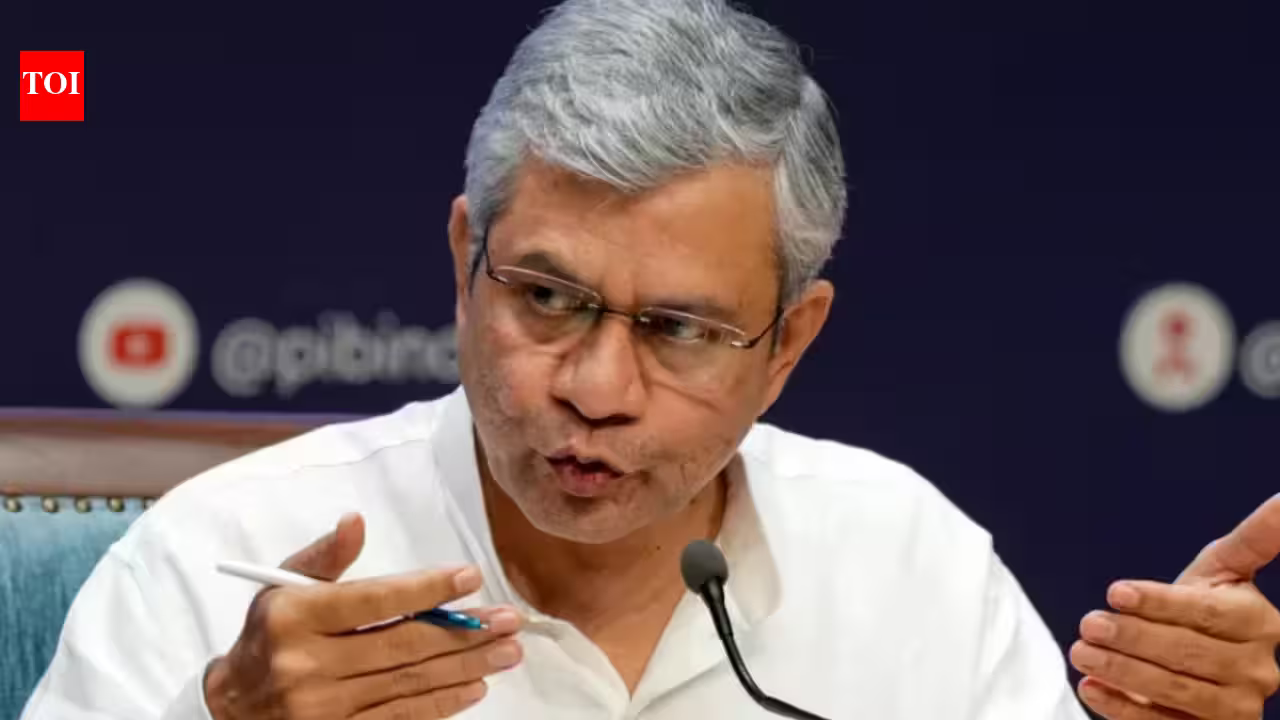
Union Minister for Information and Broadcasting, Ashwini Vaishnaw, reiterated this stance, highlighting that Section 7 of the Act—which details how data principals’ information is processed—is meant for commercial entities and service providers. He underscored the government’s commitment to protecting the constitutionally guaranteed right to freedom of speech and expression, noting that the media’s operational environment remains a priority for the administration.
Legal Challenge by Media Bodies
The government’s public assurance comes closely on the heels of a Supreme Court development. The apex court recently agreed to hear a petition filed by the Digital News Publishers Association (DNPA), which represents 21 of India’s prominent media organizations.
In their plea, the DNPA challenged the constitutional validity of several provisions within the DPDP Act and the associated rules. The association argued that the current legislative language is broad enough to potentially infringe upon the fundamental rights of journalists, claiming that it threatens the breadth of investigative reporting and news dissemination. By potentially restricting the ability of media houses to process information, the petition argues, the Act could inadvertently hamper the essential work of the fourth estate.
A Path Toward Reconciliation
As the legal debate continues, the government’s willingness to engage in dialogue and consider legislative refinements marks a shift toward balancing digital privacy with journalistic autonomy. While the DPDP Act was enacted to safeguard citizens’ data privacy, the government appears eager to avoid any conflict with the press.
By promising to carve out specific exemptions or provide categorical clarity, the Centre aims to address the DNPA’s concerns before they escalate further in the courts. As the matter progresses, the media industry awaits concrete steps, such as a formal draft amendment or specific notifications, that will explicitly shield news operations from the stringent compliance requirements of the DPDP framework.
Disclaimer: This content is auto-generated for informational purposes only.
Source: Read Original News