








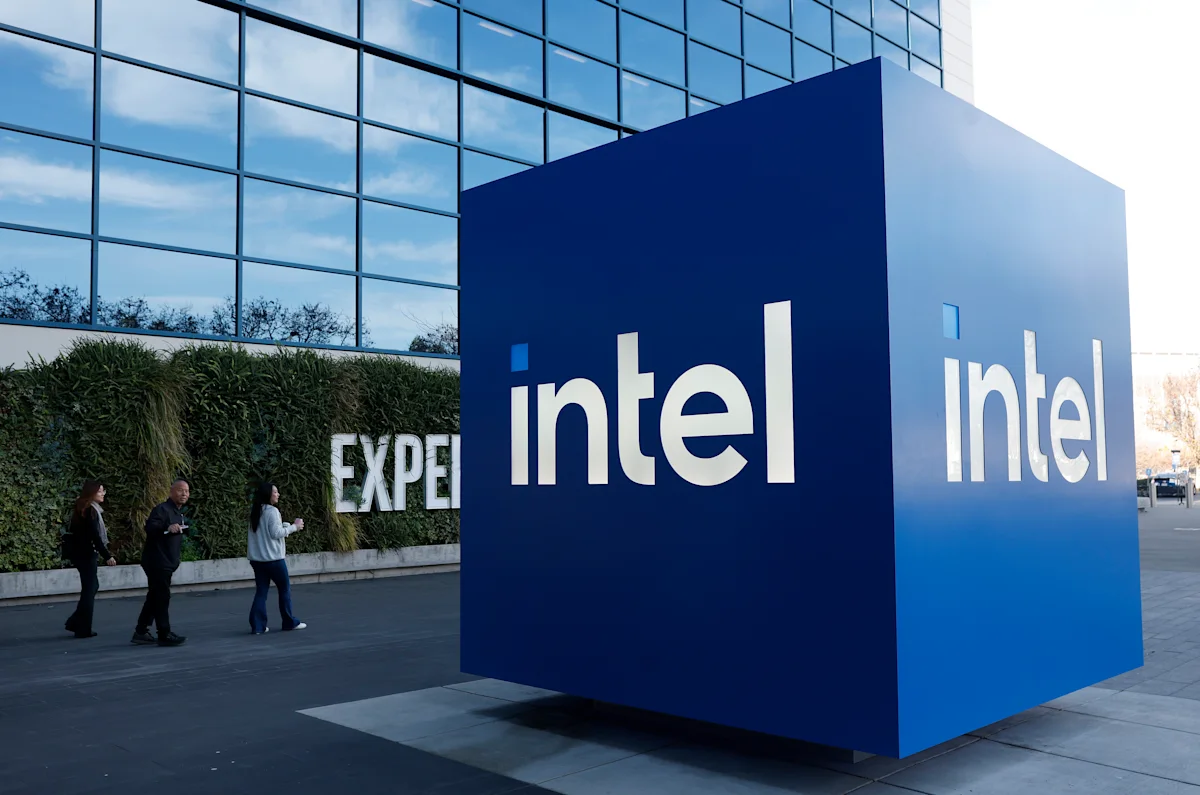
Intel stock suffered a historic collapse on Friday, plummeting nearly 29% and erasing approximately $140 billion in market capitalization. The staggering sell-off marks the chipmaker’s worst single-day performance since 1974, shattering investor confidence despite a robust performance in the company’s data center division.
The dramatic market reaction was triggered by a bleak outlook for the fourth quarter, which fell significantly short of Wall Street’s expectations. While Intel beat earnings estimates for the third quarter with $0.52 in adjusted earnings per share and saw data center revenue surge by roughly 80% year-over-year, the forward-looking guidance cast a long shadow over the company’s near-term recovery.
## The PC Market Crisis
At the heart of the disappointment is the struggling personal computer market. Intel indicated that the current landscape is being heavily disrupted by the massive demand for AI-driven data centers, which are consuming a disproportionate share of the world’s available memory chips. This supply constraint has forced prices upward for consumer hardware, contributing to a slump in PC shipments.
Intel is bracing for further turbulence, projecting that PC shipments will decline by 12% this year and an additional 10% in 2027. This sector-wide weakness is being compounded by localized operational setbacks, including a manufacturing accident at an Israeli facility that is expected to cost the company $300 million in revenue during the final quarter of the year. Industry analysts, including Bernstein’s Stacy Rasgon, labeled the company’s outlook “terrible,” prompting a downward revision in price targets.
## Market Volatility and Government Exposure
Friday’s record-breaking decline represents the latest chapter in a volatile year for the semiconductor giant. Following a meteoric rise earlier in 2026—where the stock price nearly quadrupled to reach a peak in late June—the company has now surrendered more than half of its value from those highs. The stock has breached the $80 floor that served as a critical support level during the summer, marking its lowest closing point since April.
The fallout extends beyond private shareholders; the U.S. government, which holds a 9.9% stake in the company, saw the value of its investment drop by over $10 billion on Friday alone. Although the government’s position remains profitable relative to its original entry price of $20.47 per share, the scale of the single-day loss highlights the severity of the market’s reaction.
## A Broader Tech Sector Correction
Intel’s slide has contributed to a wider rout across the technology sector. Shares of PC manufacturers like Dell and HP followed Intel’s downward trajectory, signaling fears of a protracted slump in hardware demand. This sentiment is ripples across the broader tech landscape, which has already seen increased pressure on major players like Alphabet and Amazon following their respective earnings releases earlier in the week.
Despite the carnage on Wall Street, leadership remains focused on a long-term turnaround. During the recent earnings call, CEO Lip-Bu Tan reaffirmed his commitment to the company’s restructuring, describing the effort as a “multiyear journey.” However, the path ahead remains treacherous, with Intel noting that the current market pressures are unlikely to subside until memory chip supply chains normalize and pricing stabilizes across the global hardware industry. Whether the company can effectively pivot its strategy to offset these headwinds will remain the primary focus for investors in the coming quarters.
Disclaimer: This content is auto-generated for informational purposes only.
Source: Read Original News