









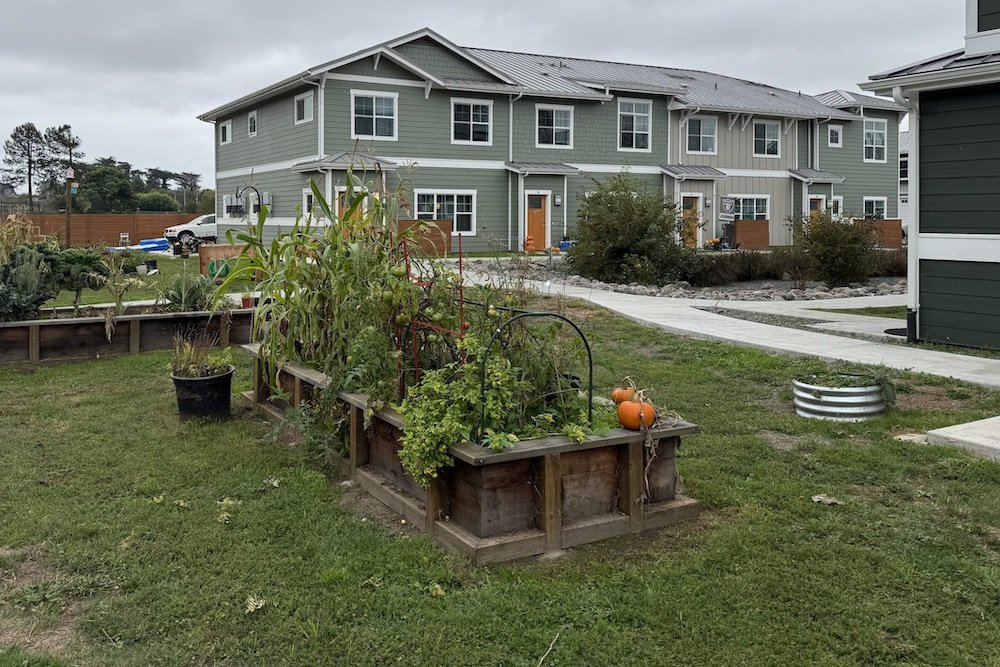
California has officially greenlit a significant infusion of capital into its tribal communities, earmarking $60.5 million in state grants to address long-standing challenges in affordable housing and environmental resilience. Approved on October 28 by the California Strategic Growth Council, the funding represents a coordinated effort to modernize infrastructure and bolster climate preparedness across 36 different tribes.
## Bridging the Gap in Housing Infrastructure
The lion’s share of the investment—totaling $52 million—is dedicated to the newly established Tribal Pre-Development Housing Fund. This initiative is designed to tackle the “bottleneck” stage of construction: the upfront costs that often prevent tribal housing projects from getting off the ground.
By funding site preparation, essential infrastructure, and rigorous planning phases, the program acts as a catalyst, enabling tribes to secure additional state funding down the line. With 19 tribes receiving these specific grants, the state anticipates the creation of approximately 900 new housing units. This is a crucial development for an industry that has historically struggled to integrate with state-level housing initiatives due to the high barrier to entry for early-stage development.
The Tuolumne Band of Me-Wuk Indians, for example, secured nearly $3 million to expedite a 44-unit low-income housing project. Darryl Tinkle, president of the Tuolumne Economic Development Authority Inc., noted that this financial backing provides the “fast-track” capability needed to move projects from concept to construction. Similarly, the Trinidad Rancheria has been awarded $2.35 million to focus on sustainable, long-term housing solutions for its members, while tribes such as the Chemehuevi Indian Tribe and the Big Valley Band of Pomo Indians have each received $3 million to advance their residential infrastructure goals.
## Technology, Climate Data, and Sustainable Land Management
Beyond the construction of homes, the state is investing $8.5 million into the Tribal Capacity Building Program. This segment of the funding is highly focused on modernizing tribal approaches to land stewardship and climate adaptation through the integration of Traditional Ecological Knowledge (TEK) and advanced environmental planning.
The integration of climate data is becoming a cornerstone of how state agencies and tribal governments collaborate. As climate-related risks—such as drought, fire, and shifting weather patterns—increase, tribal nations are increasingly relying on digital mapping and predictive climate modeling to manage ancestral lands. These grants allow tribes to develop sophisticated resource management plans that mirror the data-driven precision required by modern state regulatory frameworks, ensuring that traditional wisdom can be effectively leveraged alongside scientific climate analysis.
## The Role of Innovation in State-Tribal Partnerships
The success of this funding round highlights a shift in how state governments utilize bureaucratic and financial mechanisms to empower indigenous sovereignty. While the funding is categorized under “housing and climate,” the underlying objective is to increase the technological and operational capacity of tribal governments.
By streamlining the application process and providing specialized funds for pre-development, the California Strategic Growth Council is essentially providing the “software” that runs the hardware of tribal administration. This creates a more stable, predictable environment for project management, which is essential for attracting future private and public partnerships.
As California continues to struggle with its broader housing crisis, these targeted tribal grants offer a roadmap for how state governments can empower smaller, sovereign entities to build self-sustaining communities. Moving forward, the effectiveness of these projects will likely be tracked through state-run dashboards and environmental reporting systems, further cementing the role of technology and data transparency in modernizing the relationship between California and its tribal nations. By prioritizing the infrastructure and ecological health of these communities, the state is making a long-term investment in both human rights and regional climate stability.
Disclaimer: This content is auto-generated for informational purposes only.
Source: Read Original News