



Char Dham Chopper Crash: Parliamentary Panel’s Warnings Go Unheeded Amid Recurring Safety Failures
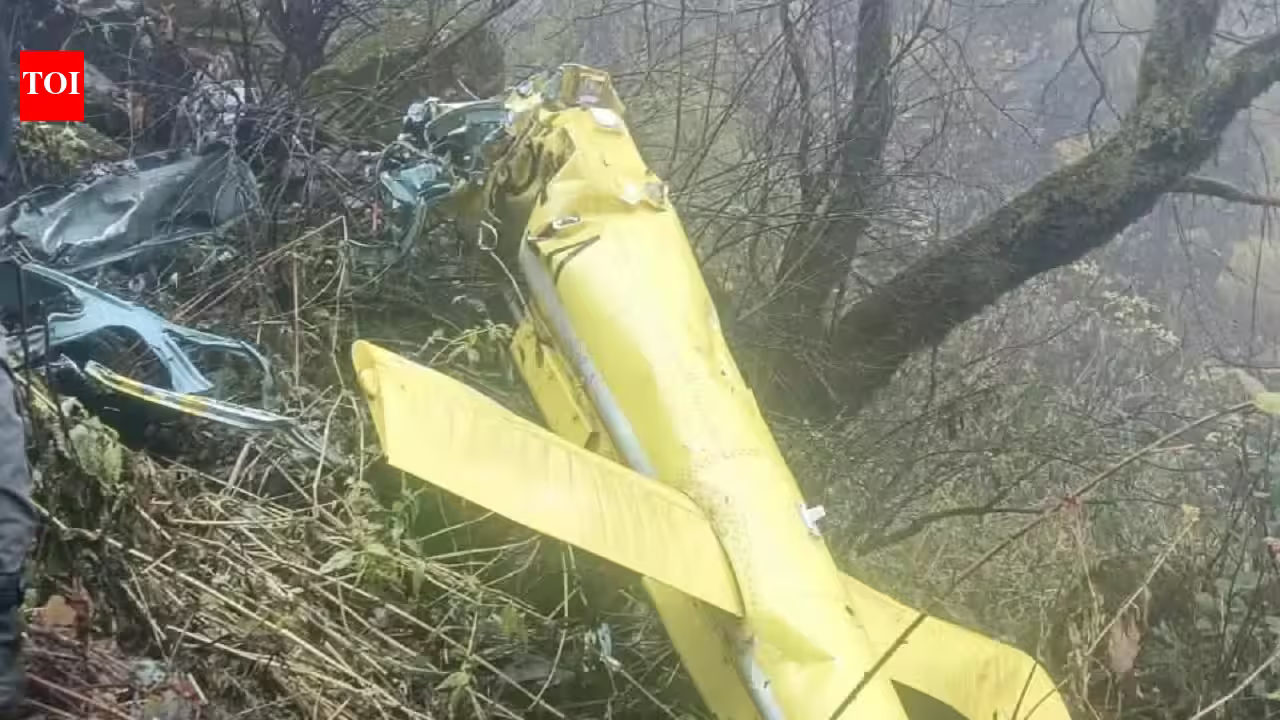
NEW DELHI: A fresh helicopter crash involving pilgrims on the Char Dham route has reignited a fierce debate over aviation safety in India’s most treacherous Himalayan corridors. The incident has cast a harsh spotlight on a series of critical warnings issued by a parliamentary standing committee, which observers say have been largely ignored despite a trail of recurring aerial tragedies.
A “Responsibility Vacuum” in Regulatory Oversight
The Parliamentary Committee on Transport, Tourism, and Culture, led by JDU MP Sanjay Jha, has been vocal about the systemic decay within the aviation sector’s handling of the Char Dham pilgrimage. In its latest reports, including a significant submission this past March, the committee characterized the current operational environment as a “responsibility vacuum.”
According to the panel, this vacuum allows for blurred accountability, enabling commercial pressures to override vital safety protocols. Specifically, the committee highlighted the dangerous tendency for flight operators to push through marginal weather conditions—a move frequently incentivized by the heavy passenger demand characteristic of the pilgrimage season.
The report identified a core structural flaw: a fractured regulatory command. The Directorate General of Civil Aviation (DGCA) has reportedly ceded much of its direct oversight to the Uttarakhand Civil Aviation Development Authority (UCADA). Lawmakers argue that this two-tiered system creates an ambiguous regulatory environment where neither entity maintains full control, leaving the safety of thousands of pilgrims in a “hazardous zone” without adequate supervision.
The Gap in Pilot Training and Mountain Expertise
One of the most alarming revelations from the committee’s investigation is the absence of mandatory, terrain-specific training for pilots navigating the Himalayas. Despite the region being classified as one of the most challenging aviation zones in the world, there is no standardized certification program that ensures pilots are adequately prepared for the unpredictable downdrafts, rapid weather shifts, and high-altitude constraints unique to the Char Dham sector.
The committee’s findings noted that even the DGCA had previously acknowledged that UCADA lacked the specialized manpower required to manage such high-density, high-risk operations. Yet, despite these internal admissions, no rigid training mandate has been implemented to bridge this gap. This regulatory oversight, critics argue, leaves pilots—often operating under intense pressure—without the requisite tools to handle emergency situations in mountain terrain.
A Call for Immediate Reform
In response to the recurring accidents, the committee conducted extensive consultations with stakeholders, including the aviation ministry, private operators, and air safety experts. While the ministry has publicly admitted that the topography and volatile climate of the region warrant “immediate and serious intervention,” the disconnect between these admissions and ground-level action remains a point of contention.
As the death toll climbs and public trust in pilgrim aviation services wavers, pressure is mounting on the government to dismantle the current oversight structure. Experts suggest that centralizing control under a single, highly-trained authority is essential to ensure that profit margins are never again prioritized over the lives of those travelling to these sacred Himalayan shrines. For now, the latest crash serves as a grim reminder that until the “structural flaws” identified by the parliamentary panel are addressed, the Char Dham helicopter routes will remain a zone of peril.
Disclaimer: This content is auto-generated for informational purposes only.
Source: Read Original News