








We all want to do our part for the planet, but standing in front of the bins with a piece of trash in hand can sometimes feel like a high-stakes trivia game. You want to be helpful, but the rules seem to change depending on your street, your city, or even the type of plastic wrap on your bread. If you have ever felt like your kitchen waste management is a source of daily confusion, you are definitely not alone.
Recently, a voice from the frontline of waste collection—a creator often called the “binfluencer”—has been clearing up the mystery surrounding common items that leave us scratching our heads. It turns out that some of our best intentions might actually be slowing down the system.
The Great Carton Confusion
The most common culprit for confusion is the humble food carton. Whether it is a container for long-life milk, oat drink, or orange juice, most people assume that because the exterior feels like cardboard, it belongs in the paper bin. However, that assumption is exactly where the problem starts.
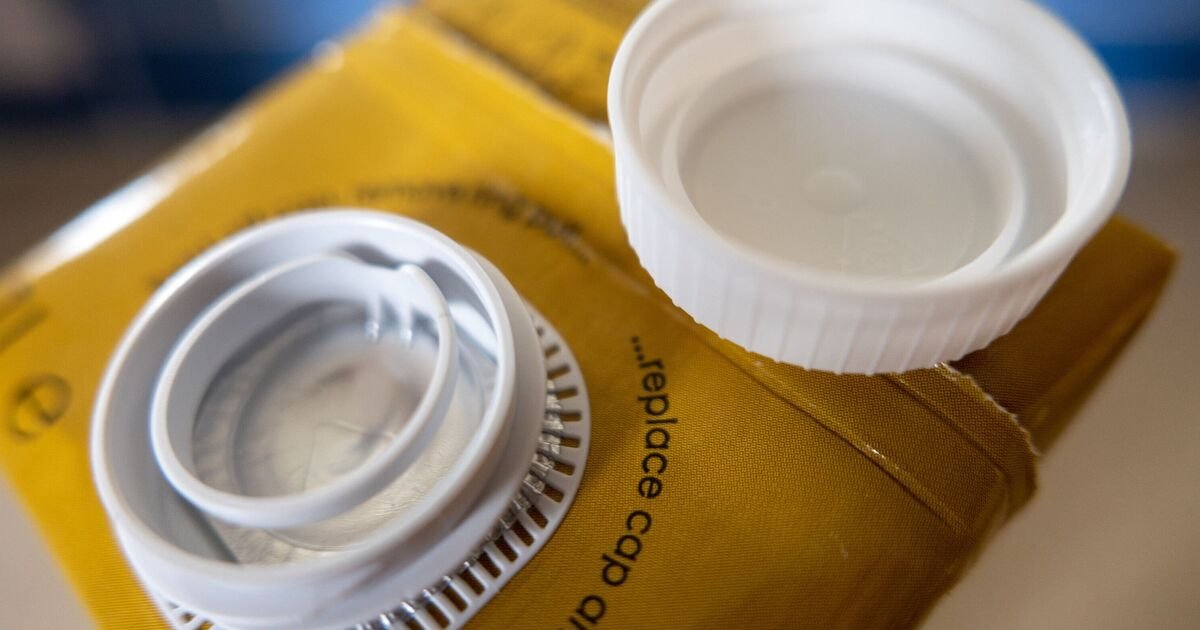
If you look closely inside those cartons, you will notice a shiny, metallic layer. That lining is aluminium, and it is there to keep your beverages fresh for months. Because of this mix of materials, these containers are not pure cardboard. When faced with a choice between paper and plastic bins, the advice from waste experts is to lean toward the plastic recycling container. Even though they look like paper products, the recycling machines handle them far more effectively when they are grouped with plastics. Of course, local council rules can shift, so a quick visit to your town website is a smart move, but generally, steer clear of the paper bin.
Prepping Your Waste for Success
Recycling is more than just sorting; it is about preparing your items so the machines can do their job without a hitch. If you just toss a half-full juice carton into the bin, you risk contaminating the other clean recyclables around it.
Start by giving every carton a quick rinse to remove any sugary residue. Once it is clean, your next step is to squash it flat. This saves significant space in your bin and makes the whole collection process much more efficient for the trucks. As for the caps and straws, keep the plastic caps screwed on tight, and if there is a straw, push it right inside the container. This prevents small bits of plastic from getting lost or jamming the sorting equipment at the facility. It takes only a few seconds, but it makes a massive difference for the workers at the other end.
The Crispy Packet Dilemma
While many of us are getting better at sorting our plastics and cardboards, some items simply do not belong in your home kerbside collection at all. Crisp packets are the prime example. Despite the shiny foil appearance and the thin, flexible texture, these bags are currently a no-go for standard household recycling bins.
If you put them in your home bin, they often cause issues for the sorting machinery. Instead, the best practice is to collect them and take them to your local supermarket. Most large grocery chains have dedicated collection points, usually located near the entrance or exit, specifically designed for these types of soft plastics. It requires a bit more effort than tossing them in your kitchen bin, but it ensures those materials actually get processed correctly rather than heading straight to a landfill.
Why Your Routine Matters
It is easy to dismiss one piece of cardboard or one crisp bag as irrelevant in the grand scheme of things, but collective habits truly drive change. When we take the time to learn the specific rules for our area, we help reduce the amount of waste that ends up buried or incinerated.
Keeping your recycling clean and sorted might seem like a chore, but think of it as a simple act of home maintenance. It keeps your kitchen tidy, keeps the recycling stream pure, and ensures that the materials we use are actually given a second life. By staying informed and paying attention to those small details—like where the carton goes or where the crisp packet ends up—we contribute to a more efficient and sustainable system for everyone. Next time you are standing at the bin, take a breath, check for that foil lining, and sort with confidence.
Disclaimer: This content is auto-generated for informational purposes only.
Source: Read Original News