








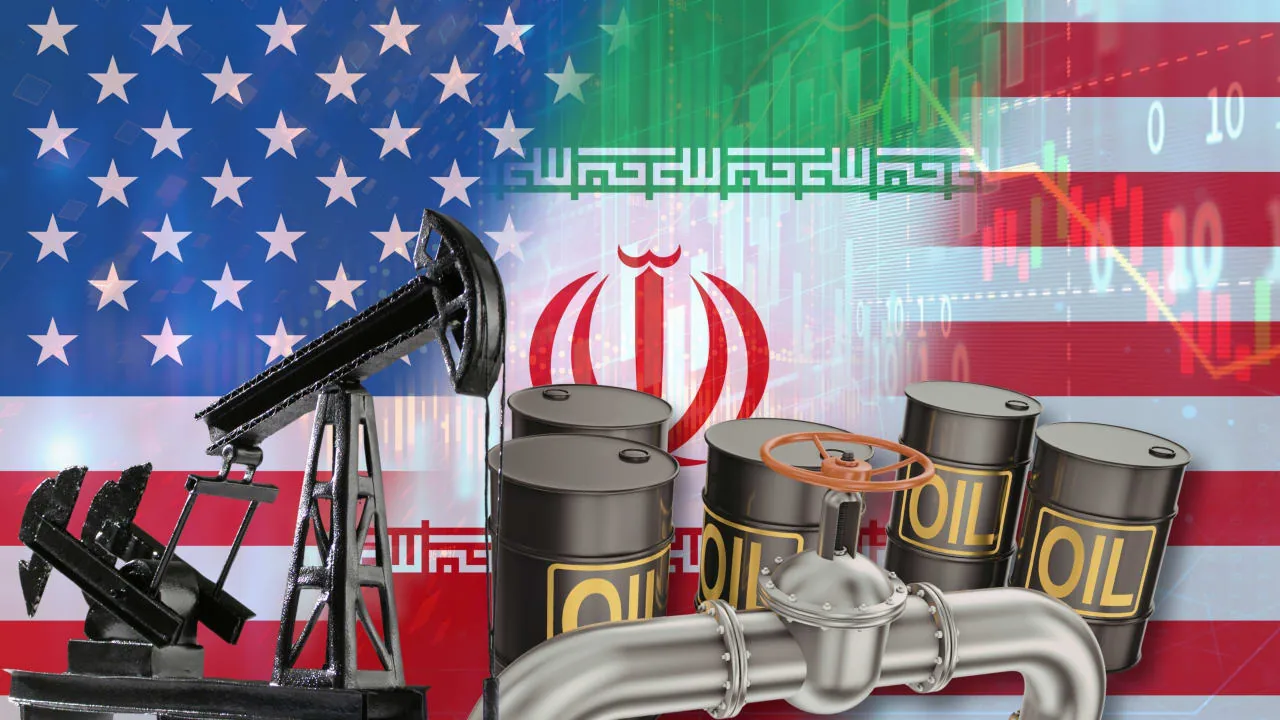
Iran finds itself in a paradoxical crisis: despite possessing some of the world’s largest oil and natural gas reserves, the nation is plagued by recurring energy shortages, crumbling industrial infrastructure, and a catastrophic decline in air quality. This state of affairs has created a cycle of environmental and economic degradation, leaving millions of Iranians to navigate systemic mismanagement that experts argue predates current geopolitical conflicts.
During winter months, the situation reaches a breaking point. Faced with natural gas shortages, the state has increasingly turned to the combustion of mazut—a heavy, highly polluting fuel oil—to power industrial facilities and electricity plants. When combined with seasonal temperature inversions, which trap pollutants near the ground in major urban centers, the result is a public health emergency of significant proportions.
According to data from Iran’s own Health Ministry, the human cost is staggering. In the Iranian year ending in March 2025, air pollution was attributed to nearly 59,000 deaths. Beyond the loss of life, the economic toll is estimated at $17.2 billion, reflecting a broader failure to convert the nation’s natural resource wealth into sustainable prosperity.
Observers point to nearly 47 years of governance under the Islamic Republic as the primary driver of these failures. Critics, including policy experts associated with the “Iran Prosperity Project,” argue that the current regime has consistently prioritized institutional and ideological interests over environmental regulation and modern infrastructure investment. The Islamic Revolutionary Guard Corps (IRGC) has been cited as a particular contributor to the decline, through its role in environmentally destructive infrastructure projects and the suppression of independent regulatory oversight.
While officials have recently cited foreign military strikes as a cause for environmental damage, independent analysts suggest this narrative ignores the decades of domestic neglect that preceded these tensions. “Environmental accountability cannot be selective,” noted Dr. Aidin Panahi, an energy and industrial policy expert. “A regime that has spent nearly 47 years exploiting Iran’s natural resources to serve its political interests cannot credibly portray itself as a defender of the environment while ignoring the destruction associated with its own internal policies.”
To reverse this decline, the Iran Prosperity Project—a roadmap for national reconstruction championed by Crown Prince Reza Pahlavi—proposes a fundamental shift in how the nation manages its resources. The strategy focuses on the integration of environmental protection into the core of economic development. This includes the modernization of electricity grids, improved natural gas management, and a transition to cleaner vehicle and industrial technologies.
Central to this vision is the idea that environmental recovery and economic growth are not mutually exclusive but must be advanced in tandem. By upgrading outdated production systems and enforcing robust environmental standards, proponents believe Iran could stimulate industrial innovation and create high-quality employment, while simultaneously cleaning its air.
The challenge of rebuilding these systems will require not only domestic reform but also significant international cooperation. The “Cyrus Accords,” a proposed framework for future diplomatic and economic engagement, highlights the potential for partnerships based on mutual prosperity. Such an arrangement could see Iran leverage its scientific and engineering talent in collaboration with international partners to access clean energy technology, infrastructure expertise, and pollution control solutions.
Ultimately, the path toward a healthier environment in Iran is inextricably linked to the reform of its governance. By replacing decades of ideological hostility with a focus on scientific cooperation and accountable, efficient resource management, the nation has the potential to transform its current energy and environmental crisis into a foundation for long-term renewal. For the millions of citizens living under the current conditions, the goal remains a country where abundant energy reliably powers a modern, competitive economy and where the skies over its major cities are once again breathable.
Disclaimer: This content is auto-generated for informational purposes only.
Source: Read Original News