









For decades, the Malaysian construction and property sector has been hindered by fragmented, analogue workflows. Characterised by linear processes, frequent on-site design clashes, and significant material waste, the industry has historically struggled with a substantial carbon footprint. However, a seismic shift is underway as the rapid convergence of digital technology, environmental mandates, and demographic evolution redefines how spaces are planned, constructed, and managed.
This transformation took centre stage at the 12th Construction Industry Development Board (CIDB) and Chartered Institute of Building (CIOB) Youth Arena Convention Malaysia (YACM) 2026. Hosted at Tunku Abdul Rahman University of Management and Technology, with institutional support from Universiti Teknologi Mara, the event brought together emerging talent, academic researchers, and industry leaders under the theme “Beyond Reality: Metaverse Revolution.” The convention marked a pivot from traditional, isolated Building Information Modelling (BIM) toward immersive virtual ecosystems designed to drive deep decarbonisation and enhance the long-term sustainability of the built environment.
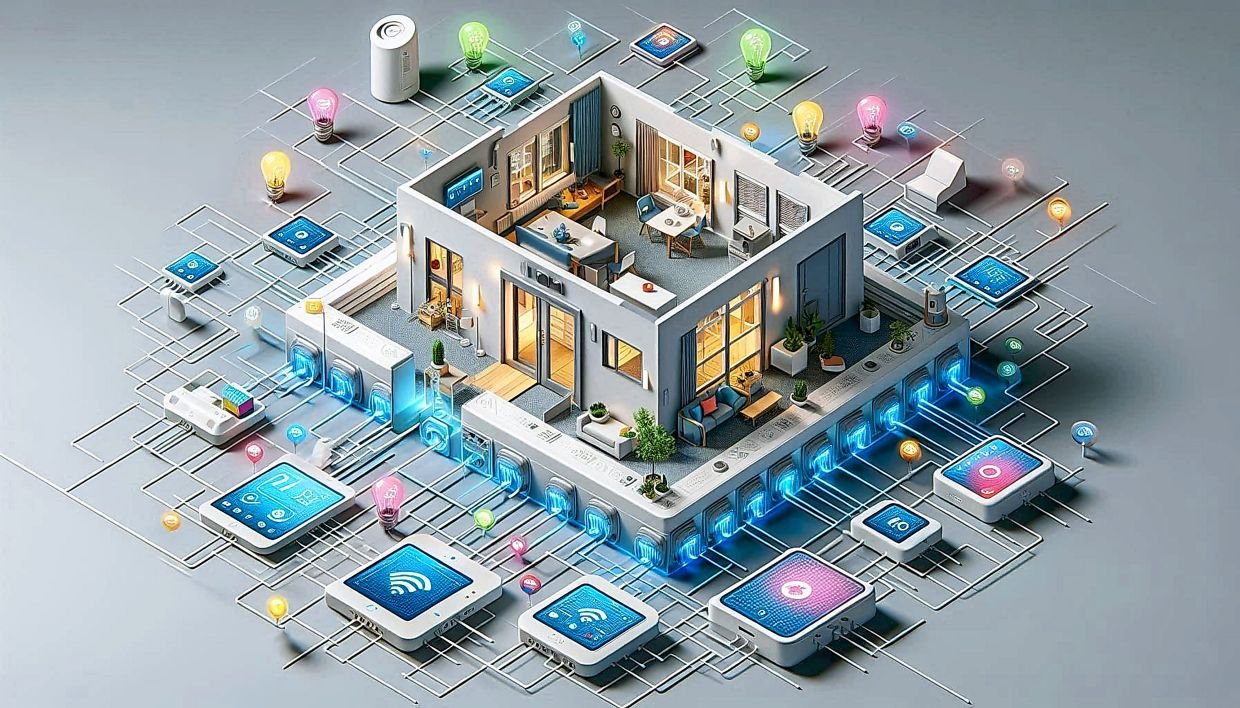
While Malaysia has successfully adopted Level 2 BIM across many commercial and public projects, static 3D models are increasingly insufficient for the complexity of modern infrastructure. Deputy Works Minister Datuk Seri Ahmad Maslan, who officiated the event, noted that the industry is entering the era of the “construction metaverse.” By integrating spatial computing, virtual reality, and real-time data, project stakeholders can now create high-fidelity “digital twins” of physical assets.
These virtual models allow multidisciplinary teams—including architects, structural engineers, and quantity surveyors—to simulate a project’s entire lifecycle before a single shovel hits the ground. By identifying structural interferences or coordination errors in a virtual environment, developers can avoid the costly downstream delays, material wastage, and contractor disputes that have long plagued construction budgets.
Critically, this technological leap serves as an engine for environmental sustainability. With the construction sector remaining one of the world’s largest contributors to carbon emissions and landfill volume, digital precision is proving to be a potent tool for green compliance. Through these immersive simulations, project teams can conduct embodied carbon audits, testing the impact of low-carbon concrete, green steel, and timber composites before procurement begins. Furthermore, energy consumption modelling—utilising wind tunnel analytics and sun-path algorithms—allows designers to refine building envelopes to significantly reduce future operational cooling loads.
The alignment of digital twins with Industrialised Building Systems (IBS) further ensures that prefabricated components are manufactured to exact specifications, reducing on-site material waste to near-zero levels.
Recognising that technology is only as effective as the workforce operating it, YACM 2026 also focused on bridging the gap between academia and industry. The event formalised five strategic memoranda of understanding (MoUs) between CIOB Malaysia, digital solutions provider Glodon Malaysia, and four major academic institutions: Sunway University, Taylor’s University, UCSI University, and the University of Reading Malaysia. This partnership aims to integrate cloud-based quantity surveying and virtual project management into university syllabi, ensuring graduates enter the workforce as “spatial technicians” ready to lead the industry’s evolution.
As the industry looks toward the upcoming International Construction Week (ICW) and BuildXpo Malaysia 2026, scheduled for November in Kuala Lumpur, the mandate is clear. Digital innovation is no longer a peripheral novelty; it is the core framework for the future of Malaysia’s built environment. As regional stakeholders prepare to gather at the Malaysia International Trade and Exhibition Centre, the focus remains firmly on an agile, digitally fluent generation committed to human-centric and sustainable growth.
Disclaimer: This content is auto-generated for informational purposes only.
Source: Read Original News