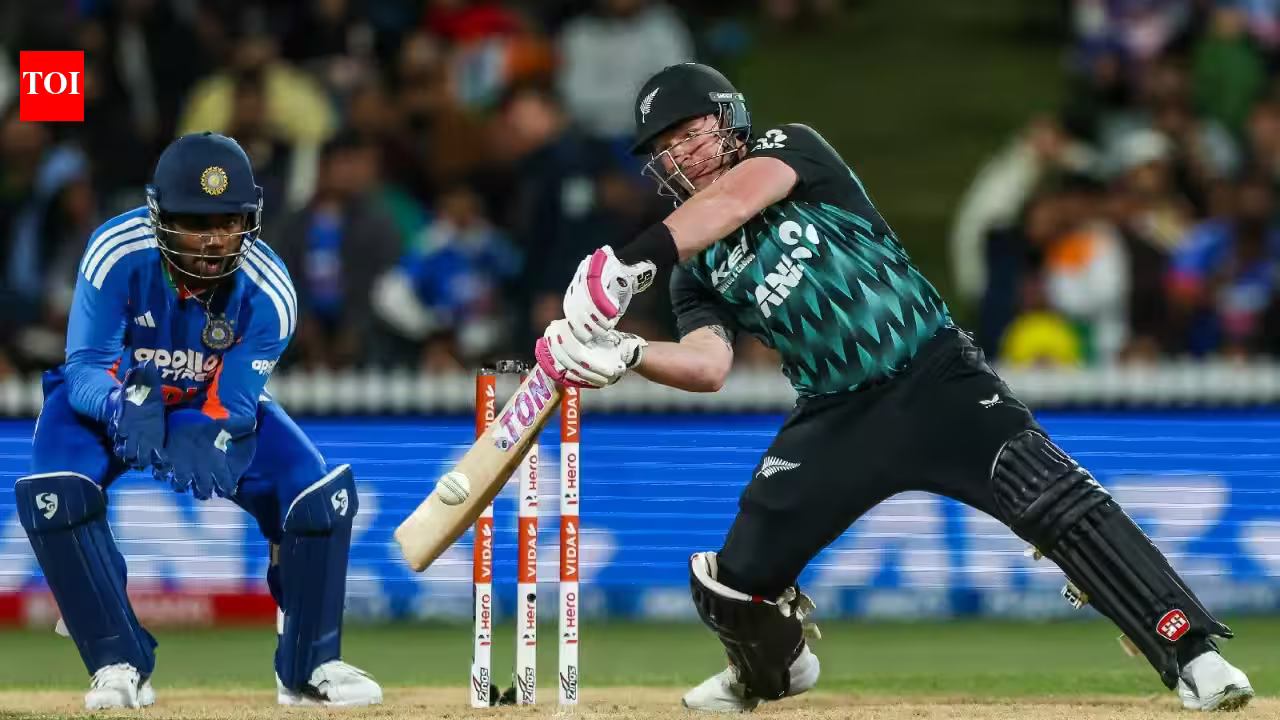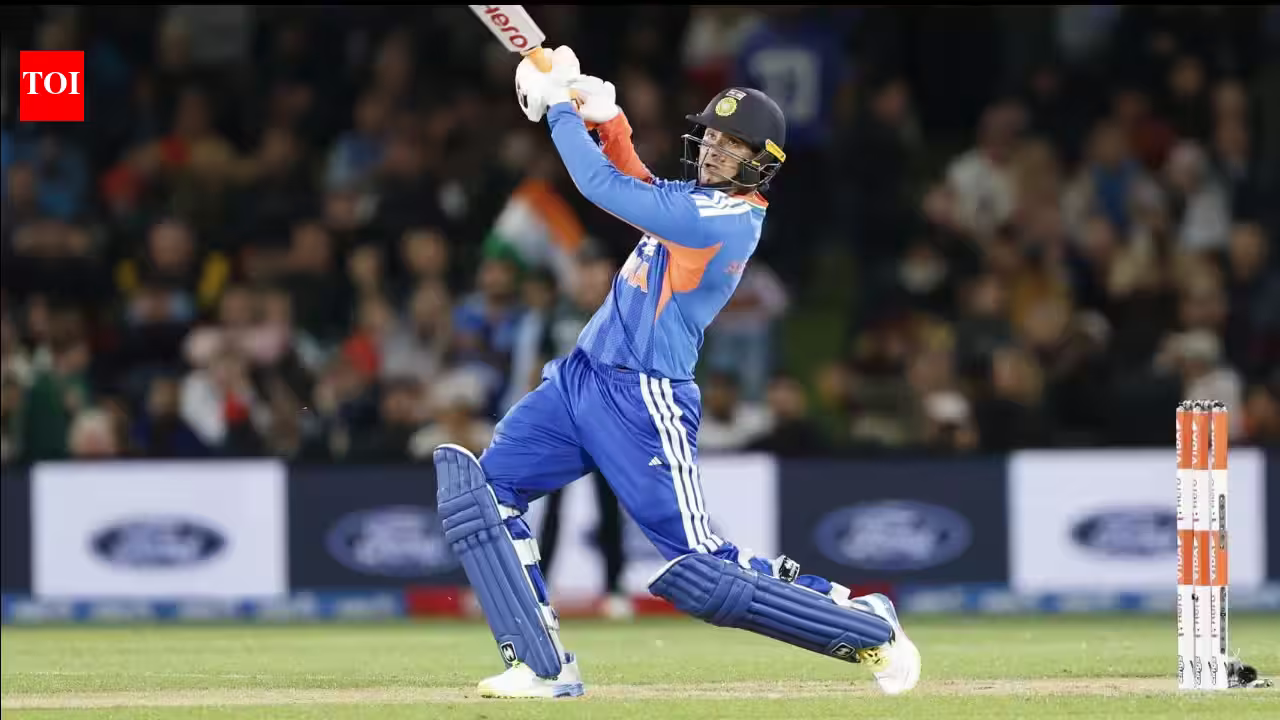





“My job is not to make everyone happy.” Those were the stark, uncompromising words of India head coach Gautam Gambhir as he faced the media ahead of the fifth T20I against New Zealand. In a climate where every selection choice is scrutinized by millions and social media discourse often demands the immediate inclusion of rising stars, Gambhir is charting a different course—one defined by long-term stability and professional ruthlessness rather than public opinion.
The discourse surrounding India’s squad depth has reached a fever pitch, particularly with the emergence of teenage prodigy Vaibhav Sooryavanshi. As a rare talent knocking on the door of the senior setup, Sooryavanshi’s absence from the playing XI has sparked a significant debate among fans and pundits alike. However, Gambhir, known for his no-nonsense approach to the game, remains unmoved by the noise, prioritizing the structural integrity of his team over the desire to experiment with high-ceiling prospects who have yet to prove themselves at the highest level.
The Philosophy of ‘Right’ Over ‘Popular’
Gambhir’s tenure as head coach has been marked by a clear ideological shift. He views the position not as a popularity contest but as a stewardship of the national team’s future. In his view, the “right” decision is rarely the “popular” one.
“First of all, my job is not to make everyone happy. My job is to take the right decisions, not the popular decisions,” Gambhir told broadcasters. “It is very easy to take the popular decision. But for me, I think the important thing is to take the right decision and make sure that there is a lot of security inside the dressing room.”
This emphasis on “dressing room security” is a direct response to the anxiety that often plagues players when they fear being dropped after a single bad outing. Gambhir is clearly committed to shielding his core group—players like Sanju Samson and Abhishek Sharma—from the instability that comes with constant chopping and changing. By backing established performers who have delivered consistently, particularly in the wake of India’s T20I World Cup title defense, Gambhir is attempting to foster a culture of trust.
Backing the Core
The current opening partnership of Sanju Samson and Abhishek Sharma has provided India with the stability required to excel in the format. While the temptation to blood youngsters like Sooryavanshi is understandable given the sheer volume of talent in the Indian pipeline, Gambhir remains steadfast in his belief that performers who have “done phenomenally well over a longer period” deserve a longer rope.
For the head coach, consistency is a currency that cannot be devalued by the pressure to rotate players unnecessarily. By sticking with his proven assets, Gambhir is betting that a settled unit will yield better long-term results than one in constant flux. He understands that for a team to evolve, the players need to know that their position is safe as long as they adhere to the team’s strategic mandate.
Dismissing the ‘Dead Rubber’ Narrative
As India entered the fifth T20I with a 3-0 series lead already secured, many observers naturally categorized the final matches as “dead rubbers”—games of little consequence. Gambhir, however, bristles at the very notion. His intensity, a hallmark of his playing days, has transitioned seamlessly into his coaching philosophy.
“When you’re playing for your country, there is no complacency,” he asserted. “Everyone knows how few privileged players get the opportunity to represent the country. For me, every game is an opportunity to do something different, to learn something, to evolve. There are no dead rubbers in my philosophy.”
This outlook serves as the bedrock of his management style. He demands that every player treats every delivery as if it were the final of a World Cup. In a sport where the margins between victory and defeat are razor-thin, Gambhir believes that mindset is the ultimate equalizer. By treating every match with the same level of gravity, he ensures that the team remains sharp, regardless of the series scoreline.
Adapting to the Grind
The recent schedule has been nothing short of grueling. With back-to-back series against Afghanistan and the West Indies, followed by participation in the Asian Games, the Indian squad has endured a relentless cycle of travel and competition. The rapid turnaround before the New Zealand tour—finishing a series on the 17th and flying on the 18th—left minimal room for physical or mental recuperation.
“It’s been a very short turnaround,” Gambhir acknowledged. “We had one practice session. I’ve got to give it to the boys, the way they adapted to the conditions. A lot of boys are coming here for the first time. We all know how dangerous New Zealand is in their own backyard.”
That the team has managed to dominate the series under such taxing conditions speaks volumes about both the quality of the squad and the effectiveness of Gambhir’s leadership. By keeping the group focused and shielding them from the external clamor for change, he has built a side that is as mentally resilient as it is talented.
Whether this “long rope” approach will eventually include the likes of Sooryavanshi remains to be seen. But for now, Gambhir is clear: the team will be built on his terms, dictated by the cold, hard logic of performance rather than the shifting winds of public expectation. For a nation that lives and breathes cricket, this clarity of vision is perhaps the most significant—and perhaps the most controversial—development in Indian cricket in recent years.
Disclaimer: This content is auto-generated for informational purposes only.
Source: Read Original News