






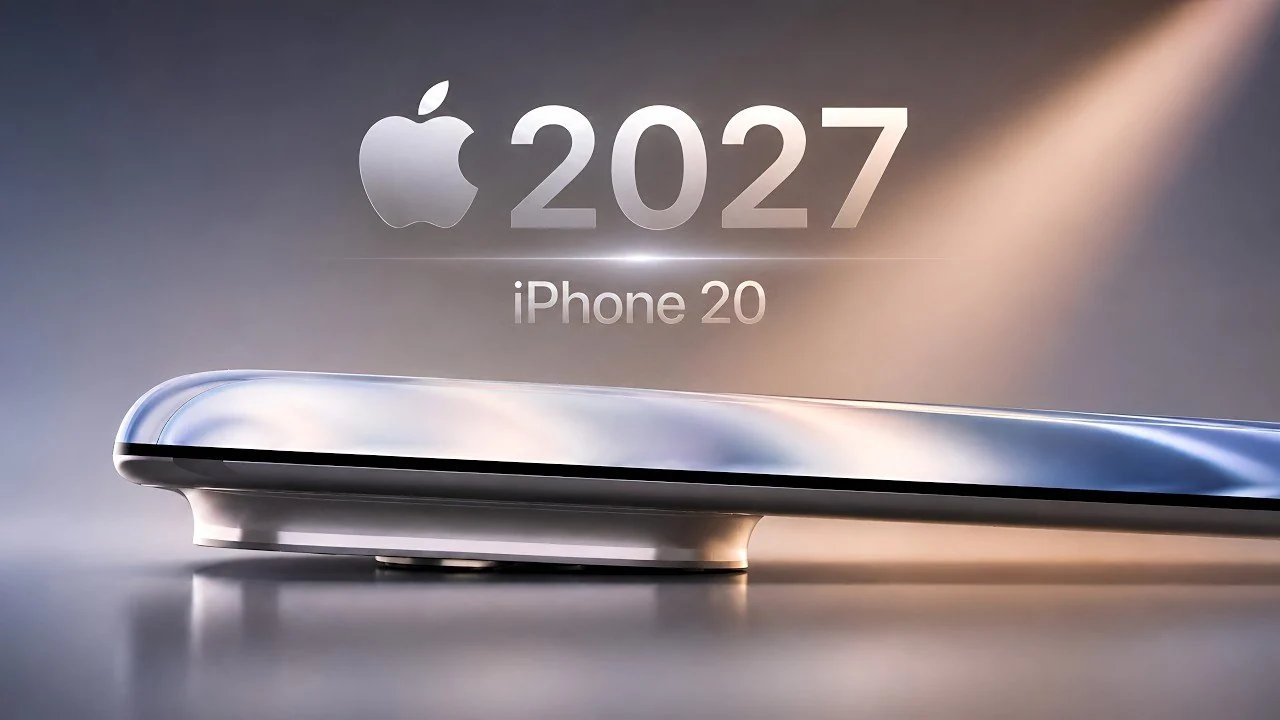
The evolution of the smartphone landscape is poised for a significant shift as Apple prepares to celebrate the 20th anniversary of the iPhone. With reports circulating regarding a major redesign for a device tentatively titled the iPhone 20, set for a 2027 release, the company appears ready to move beyond iterative updates. This landmark device aims to consolidate two decades of design philosophy while introducing structural changes that could alter how users interact with their mobile hardware. By potentially skipping the iPhone 19 nomenclature, Apple signals a commitment to a clean slate, emphasizing this release as a definitive technical milestone rather than a standard annual cycle.
Refining the Industrial Design Language
At the core of the expected redesign is a departure from the current flat-edge aesthetic toward a more fluid, integrated architecture. The rumored bezel-less, quad-curved glass construction represents a substantial engineering undertaking. Unlike previous attempts at curved displays that occasionally sacrificed edge usability, Apple is reportedly focusing on a design that maintains uniform interaction points while maximizing the screen-to-body ratio. This “liquid glass” approach seeks to minimize visible seams, aiming for a singular piece of hardware that feels like a polished object rather than a collection of components. This pursuit of a seamless exterior aligns with the brand’s minimalist trajectory but places immense pressure on glass manufacturing processes and structural integrity.
Advancements in Display Architecture
Display technology remains the primary interface between the user and the software ecosystem. For the iPhone 20, the focus is squarely on immersion. Pro-tier models are expected to expand their footprints, with the larger variants potentially reaching 6.96 inches. These panels are not merely larger; they represent an increase in pixel density and energy efficiency. While the industry has seen various attempts at under-display sensors, Apple continues to exercise caution, likely favoring a refined hole-punch implementation for the selfie camera. This choice prioritizes high-fidelity imaging and biometric reliability over the purely cosmetic goal of total sensor concealment, reflecting a measured balance between advanced hardware features and consistent day-to-day utility.
The Transition to Solid-State Controls
One of the most consequential changes slated for this anniversary model is the abandonment of mechanical buttons. By shifting to solid-state, touch-sensitive surfaces, Apple intends to move away from components with moving parts that are inherently prone to mechanical failure or debris ingress. These solid-state interfaces will rely on the Taptic Engine to simulate the sensation of a physical click. This transition offers the dual benefit of improved water and dust resistance while enabling a more unified device chassis. However, this shift requires significant software calibration to ensure that feedback feels natural and responsive. Users accustomed to the physical movement of a traditional power or volume rocker will need to adapt to these non-moving surfaces, which will likely function with varying pressure sensitivities to prevent accidental input.
Evolution of the Dynamic Island
The Dynamic Island, which replaced the traditional display notch, has become a core element of the user interface. By the time the iPhone 20 launches, the technology behind the Dynamic Island is expected to have undergone several revisions. Future iterations may focus on increased context-awareness and deeper integration with third-party applications. Rather than just serving as a notification hub, it could become a more robust window for system-level status tracking, multitasking, and persistent background activities. As screen bezels shrink, the space allocated to the Dynamic Island will become increasingly precious, necessitating efficient design that delivers high utility without cluttering the primary viewing area.
Overcoming Engineering and Production Hurdles
The transition to these advanced specifications involves complex logistical and engineering hurdles. Implementing a quad-curved glass display on a mass-production scale introduces significant yield risks, as the curvature must be consistent to maintain touch accuracy across the entire surface. Furthermore, the integration of solid-state button arrays requires precision manufacturing to ensure that haptic feedback remains consistent across the entire length of the controls. These technical challenges necessitate a rigorous testing phase to ensure that the final product meets the standards expected of an anniversary release. If successful, these developments will likely set a new benchmark for smartphone manufacturing, influencing the design language of the entire industry for years to come.
Impact on the Future of Mobile Computing
The iPhone 20 is positioned as more than a luxury item; it serves as a testing ground for the next decade of mobile technology. By pushing the boundaries of material science and human-computer interaction, Apple aims to maintain its dominance in an increasingly saturated market. The focus on a “liquid” design language and refined haptic interfaces points to a future where devices are less about discrete components and more about singular, cohesive experiences. As the 20th anniversary approaches, the success of the iPhone 20 will be measured not just by its aesthetics, but by its ability to resolve the conflict between high-end innovation and the practical requirements of everyday use. Should these features reach maturity, they will fundamentally reset user expectations for what a mobile device can achieve in both form and function.
Disclaimer: This content is auto-generated for informational purposes only.
Source: Read Original News