








“THERE is no word like ‘dar’ (fear) in my dictionary and directory.” With those punchy, defiant words, India head coach Gautam Gambhir encapsulated the mindset that propelled his squad to a hard-fought 3-2 T20I series victory over New Zealand. While the scoreline reflects a narrow win, the narrative emerging from the Indian camp is one of psychological fortitude, tactical experimentation, and a clear-eyed assessment of the challenges that lie ahead.
The series, which saw India race to an unassailable 3-0 lead before conceding the final two matches, proved to be an intense litmus test for a side operating under Gambhir’s uncompromising leadership. The head coach, known for his intensity during his playing days, seems to have successfully infused that same steel into the current roster.
## Embracing Pressure Under Trying Conditions
Reflecting on the tour, Gambhir was quick to point toward the series opener as the hallmark of his team’s character. India arrived in New Zealand facing a grueling travel itinerary, enduring a 15-hour flight followed by only a single practice session before taking to the field. Many teams would have viewed the circumstances as an excuse for a sluggish start; Gambhir’s squad viewed it as an opportunity.
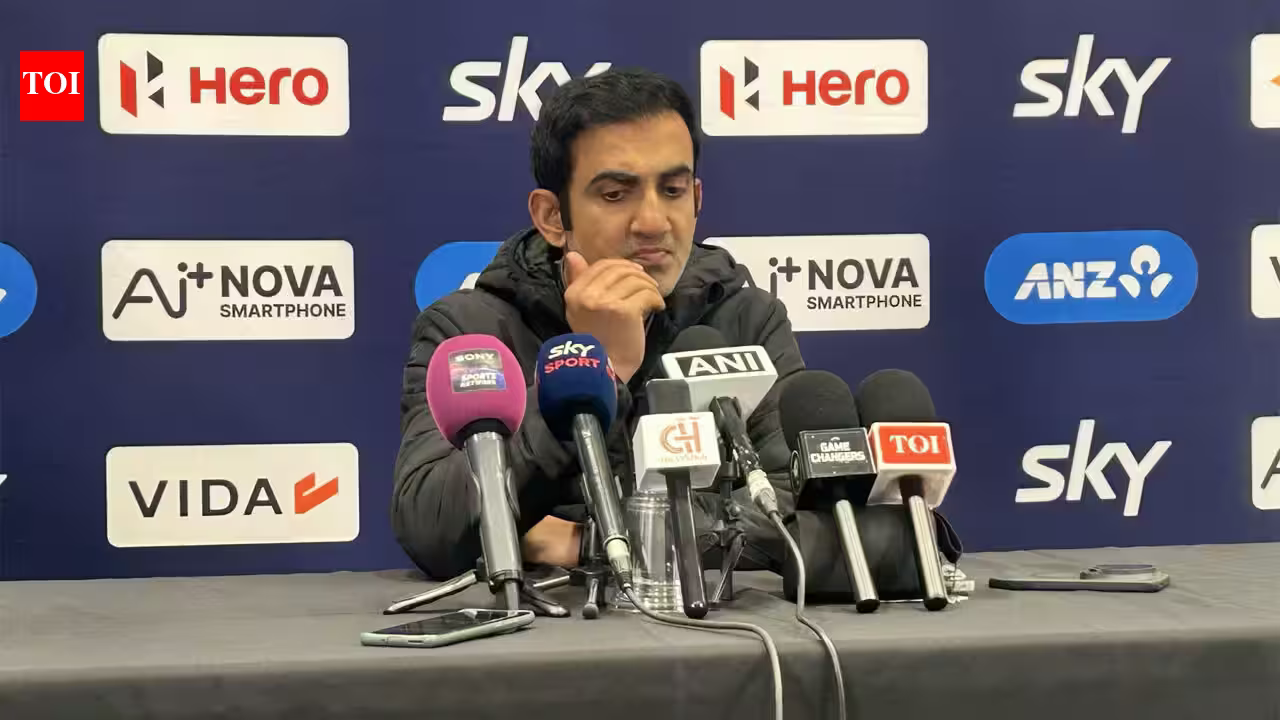
“The way our boys handled pressure, winning the first game after a 15-hour flight and one practice session was commendable,” Gambhir noted at the post-series press conference. For the former opener, the triumph was not merely about the scorecard but about the internal culture. By winning the opening three matches, India signaled their intent to play aggressive, fearless cricket, a philosophy that prioritizes intent over the safety of conventional tactics.
## The Uncertainty Surrounding Rishabh Pant
While the series win provided plenty of talking points, a cloud of uncertainty remains regarding the health of key wicketkeeper-batter Rishabh Pant. Pant, who has been a central figure in India’s recent white-ball successes, was absent from the closing stages of the series, sparking concern among fans and pundits alike.
When pressed for a timeline on Pant’s return or the nature of his current physical status, Gambhir kept his cards close to his chest. “I don’t have an update yet on Rishabh Pant, will share when I get,” was his brief response. The lack of a definitive prognosis suggests that the team management is exercising caution, prioritizing long-term availability over immediate recovery milestones. Whether Pant will be ready for the upcoming ODI leg remains the most pressing question for the support staff.
## Captain Iyer Reflects on Necessary Evolutions
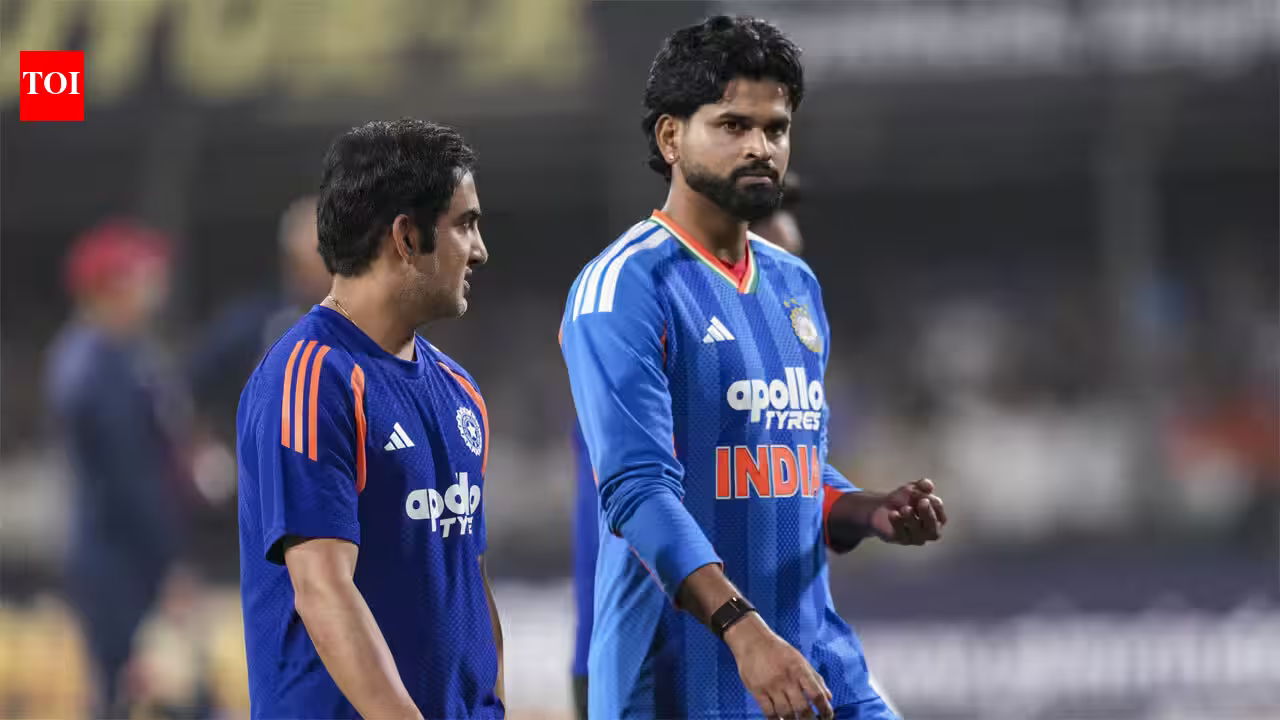
If Gambhir provided the philosophy, captain Shreyas Iyer provided the granular analysis. Speaking at the post-match presentation following the conclusion of the fifth T20I, Iyer struck a balanced tone. While he was proud of the series victory, he was remarkably candid about the shortcomings exposed in the final two encounters.
“We still could have been better with our bowling and fielding. We were a bit sloppy, but great learning,” Iyer admitted. For the skipper, the latter half of the series served as a strategic playground. Having secured the series early, the team used the final two matches to test their depth and experiment with situational cricket. “The first three games absolutely set the rhythm for us. Coming into the last two games, I feel we were in a position where we wanted to experiment and also challenge ourselves a bit more.”
The experimentation, however, came at a cost. The final two matches saw New Zealand exploit gaps in India’s defensive setup, particularly in the outfield. Iyer identified fielding as the primary area requiring remedial work before the team shifts focus to the upcoming ODIs.
## Navigating Foreign Terrain
A recurring theme in Iyer’s assessment was the difficulty of adjusting to New Zealand’s unique playing conditions. The lighting, the atmosphere, and the pace of the decks are vastly different from the conditions typically found in India. “It’s definitely something when you come overseas, you are challenged by different aspects of the game,” Iyer explained.
He specifically highlighted the visual difficulty of fielding under the unique lighting conditions of New Zealand stadiums, acknowledging that it is a hurdle the team must clear to become a truly dominant global side. “You don’t get that much in India, but it’s a great learning curve. The more you take the bull by the horns, the better it gets.”
As the squad prepares to transition from the T20 format to the ODIs, the mood remains one of cautious optimism. The leadership duo of Gambhir and Iyer is clearly aligned on the team’s trajectory: stay fearless, accept the challenges of foreign soil, and refuse to allow pressure to dictate performance. Whether they can refine their fielding and solve the mystery of their injury concerns remains to be seen, but one thing is certain—the word “fear” will continue to be omitted from the Indian team’s vocabulary under Gambhir’s watch.
Disclaimer: This content is auto-generated for informational purposes only.
Source: Read Original News