






Youth Surge at Ramlila Maidan: INDIA Bloc Rally Draws Thousands Over Rights and Representation
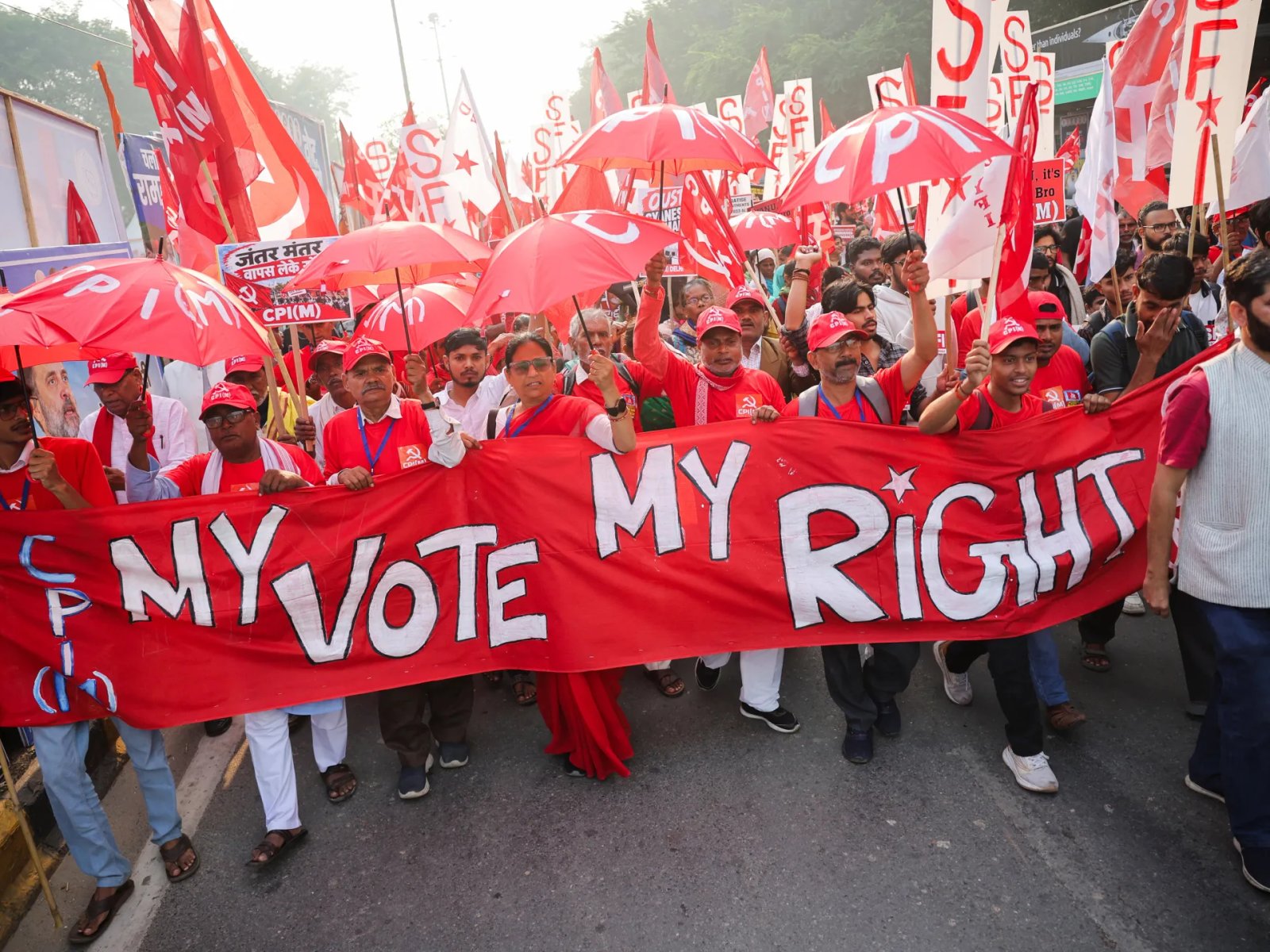
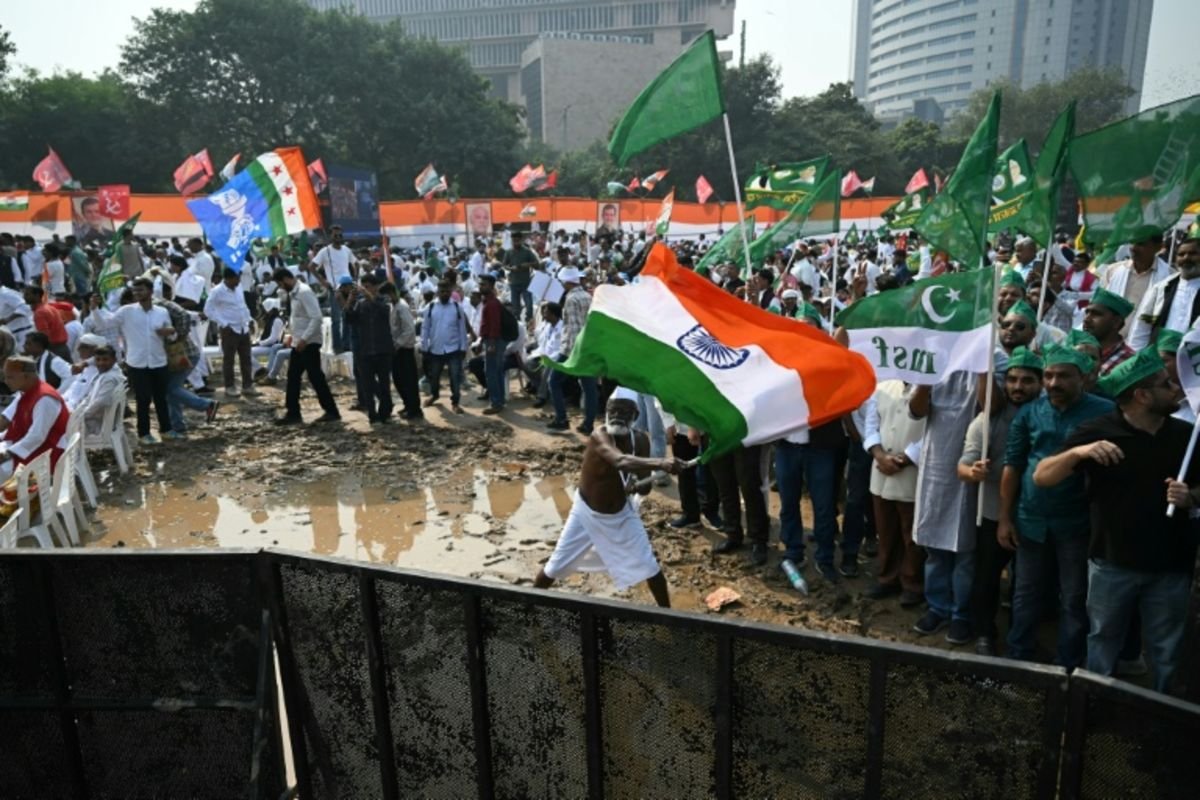
New Delhi witnessed a significant surge of youthful energy at the historic Ramlila Maidan this weekend as thousands gathered to support the INDIA bloc’s protest against alleged electoral irregularities and systemic administrative concerns. While the rally was framed as a major political event, the participants revealed that their presence was driven by deeply personal grievances, ranging from the sanctity of the vote to the quality of education and the marginalization of minority and transgender communities.
Personal Stakes in a National Debate
For many attendees, the decision to join the rally was not merely a political gesture but a response to personal struggles. Siyona, 21, and Shaivi, 22, traveled all the way from Gorakhpur, Uttar Pradesh, to voice their concerns. The duo shared that the current political climate has created fissures in their personal lives, leading to strained relationships with friends who remain indifferent to issues of social justice and minority rights.
“We have lost friends over this,” Shaivi remarked, expressing frustration at the apathy surrounding democratic participation. The two women emphasized that the exclusion of names from electoral rolls is not just an administrative hurdle but a direct attack on the fundamental rights of vulnerable citizens. “The burden of proving one’s identity should not fall disproportionately on those already on the margins of society,” Siyona added, noting that she braved familial disapproval to ensure her voice was heard in the capital.
From Sightseeing to Activism
The rally also drew in those who had not planned to participate in any political activities. Four young men from Malda, West Bengal, who were in Delhi for a tourism trip, found themselves drawn to the demonstration after learning about its objectives. Among them, Akib, 18, and Azaan Ahmed, 21, decided to pivot their itinerary to support the protest.
For them, the motivation was clear: their own family members had faced the sudden, unexplained deletion of their names from voting lists. “We cannot remain silent when our own families are being disenfranchised,” Akib said, marking his first-ever participation in a protest.
Demands for Quality and Inclusion
Students from Kerala, representing various organizations including the Muslim Students Federation, brought a focus on the structural challenges facing India’s youth. While they acknowledged the government’s efforts to increase the number of academic institutions, they argued that quantity does not equate to progress.
“Fairness in society is inseparable from the quality of education we receive,” the students stated. They urged policymakers to look beyond infrastructure and focus on creating legitimate, equitable opportunities for young graduates to build their futures.
Visual Protest and Unconventional Advocacy
The event became a theater for unconventional activism. One participant, a 21-year-old using the moniker “takshroach,” arrived in a cockroach costume—a symbolic protest against being “erased” from electoral rolls. Alongside him, the transgender community made its presence felt through representatives demanding visibility. A 20-year-old advocate for queer rights emphasized that their concerns must be integrated into the national discourse on democracy, asserting that transgender individuals are equal stakeholders in the country’s future.
As the slogans echoed across the Ramlila Maidan, it became clear that for the country’s youth, the protest was less about abstract ideology and more about protecting their own agency and the rights of their families. Whether it was their first protest or a continuation of their ongoing struggle, the participants stood united by the belief that their personal troubles are inextricably linked to the broader health of Indian democracy.
Disclaimer: This content is auto-generated for informational purposes only.
Source: Read Original News