








Thousands Protest in New Delhi Amid Allegations of Electoral Roll Manipulation
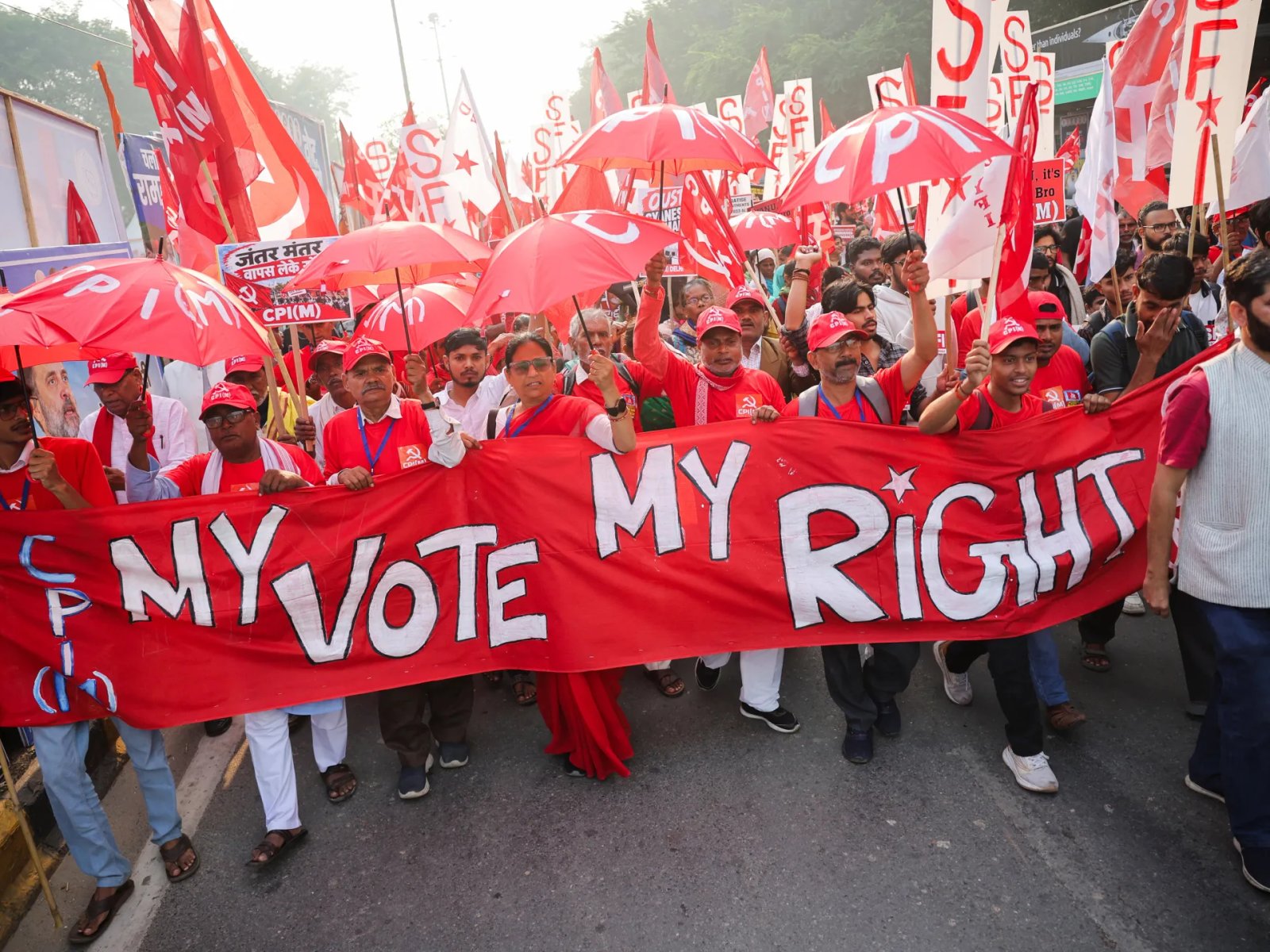
NEW DELHI – A wave of discontent swept through the heart of the Indian capital on Sunday as thousands of demonstrators gathered to demand the immediate resignation of Chief Election Commissioner (CEC) Gyanesh Kumar. The protest, which marks the culmination of more than a month of intensifying civil unrest, centers on controversial amendments to the national voter rolls that opposition figures claim are strategically designed to benefit the ruling Bharatiya Janata Party (BJP).
Leading the march, prominent Indian National Congress figurehead Rahul Gandhi addressed the throngs of supporters, framing the demonstration as a critical defense of India’s democratic integrity. Protesters held banners alleging that the Election Commission of India (ECI) has compromised its constitutional neutrality to appease the administration of Prime Minister Narendra Modi.
Controversy Over Electoral Roll Revisions
The primary source of the public outcry is the recent removal of over 130 million names from the electoral registers. Opposition leaders argue that this massive purge was not a standard administrative cleanup but a targeted campaign. Data analysts and activists supporting the protest claim that the deletions have disproportionately impacted marginalized communities, specifically Muslims and other religious minorities—demographics that have historically provided limited electoral support for the Hindu nationalist BJP.
Critics argue that by systematically pruning these voter lists, the current ECI leadership is effectively engineering an electoral environment that suppresses opposition voting blocs well ahead of the next general election, which is slated for 2029. “This is not merely an administrative error; it is a calculated effort to disenfranchise millions and tilt the scales of power,” a spokesperson for the protesting coalition stated during the rally.
Official Defense and Political Fallout
The Election Commission has vehemently rejected these allegations of partiality. In a formal statement released shortly after the protest commenced, the ECI maintained that the revisions were conducted in accordance with standard legal protocols aimed at removing duplicate or ineligible entries. Addressing the public concerns, a commission spokesperson noted that any citizens who believe their names were deleted in error have the opportunity to utilize the re-registration process to restore their voting status.
Meanwhile, the ruling BJP has characterized the protests as a desperate attempt by a fractured opposition to destabilize the nation’s electoral processes. Government officials have labeled the demonstrations as an attack on the institutional independence of the commission. The BJP leadership maintains that the opposition is “undermining democracy” by questioning the legitimacy of routine procedures, suggesting that the rhetoric from Gandhi and other leaders is intended to stir unrest rather than address genuine policy grievances.
As tensions remain high, the protest in New Delhi highlights a deepening polarization within India’s political landscape. With the 2029 general elections still years away, observers worry that the ongoing friction between the Election Commission and opposition parties could undermine public trust in the sanctity of the ballot box. For now, the streets of the capital remain a focal point for a movement that insists the integrity of the world’s largest democracy is currently under siege.
Disclaimer: This content is auto-generated for informational purposes only.
Source: Read Original News